
Latest News
According to Fazl, the defense accord is a step toward Muslim unification.

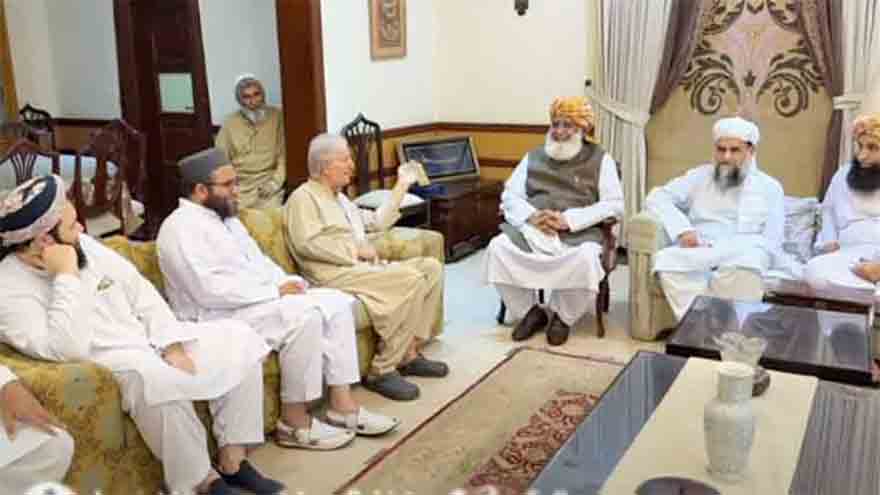
– Jamiat Ulema Islam – Fazl (JUI-F) emir Maulana Fazlur Rehman has said the Makkah Joint Defence Agreement is a step towards joint security and unity of Muslim World.
Speaking after meeting Makhdoom Javed Hashmi at his residence in Multan, Maulana Fazlur Rehman described the defence agreement between Pakistan, Saudi Arabia, and Turkiye as a significant step towards the unity and collective security of the Islamic world.
He said the joint defence force of the Muslim World has always been part of the JUI’s manifesto and ideology, and other Islamic countries should also participate in the agreement.
The JUI-F chief said that Pakistan and Saudi Arabia have full potential to lead the Muslim Ummah, while the defence agreement between the three countries will further strengthen the brotherly relations. This agreement represents a strong pillar of collective security and unity and solidarity among the Muslim Ummah.
Maulana Fazlur Rehman said that the defence agreement is a proof that the interests of the Muslim Ummah are common, while it is also a symbol of the determination to protect the dignity and security of Islamic sanctities. The agreement will pave the way for closer cooperation among Muslim countries.
He said this agreement is an important milestone for the strength, unity and solidarity of the Muslim nation. Saudi Arabia holds a high place in the hearts of all Muslims due to the honour of being the guardian of the Two Holy Mosques, and the Pakistani people consider the defence of the Two Holy Mosques a great honour and a sacred religious duty.
The JUI chief offered heartfelt congratulations to the leaders of Pakistan, Saudi Arabia, and Turkiye on behalf of his party.
The PCB has declared that the One Day International between Pakistan and England scheduled to be played on October 25 during the ODI tri-series will be dedicated to breast cancer awareness.
The PCB in a statement said the 4th One Day International match of the tri-nation series between Pakistan, England and Sri Lanka will be dedicated to the Breast Cancer Awareness Campaign.
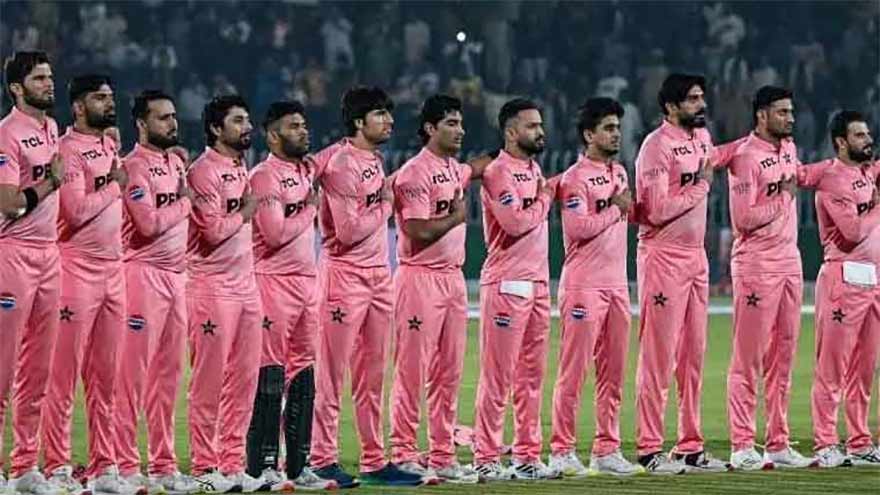
unique events for the Pink Ribbon Campaign will start two hours before the match at Gaddafi Stadium, Lahore with the Pakistan cricket team to don a unique pink kit.
Pink stamps will be used during the match and awareness messages will run on the stadium’s big screens and LED boards.
As part of its corporate social responsibility initiatives, the Pakistan Cricket Board (PCB) will observe Breast Cancer Awareness Day when the Gaddafi Stadium in Lahore will turn pink on Sunday, October 25, as Pakistan face England in the fourth ODI of the tri-series involving Pakistan, England and Sri Lanka.
The drive is being conducted as part of Pinktober, the global Breast Cancer Awareness Month, to emphasise the value of early detection, frequent screening and timely treatment, while urging more awareness of the condition across the country.
As part of the initiative, the Pakistan Men’s cricket team will wear specially designed pink kits during the ODI to express sympathy with breast cancer patients and survivors.
England’s cricket team, umpires and commentators will also be encouraged to wear pink ribbons to raise awareness for the cause.
The stumps for the fixture will have a pink logo while messages and graphics for the breast cancer awareness campaign will appear on the stadium’s big screen and LED perimeter boards throughout the match.
Awareness messages will be shared by commentators during the live broadcast to reach audiences across Pakistan and beyond.
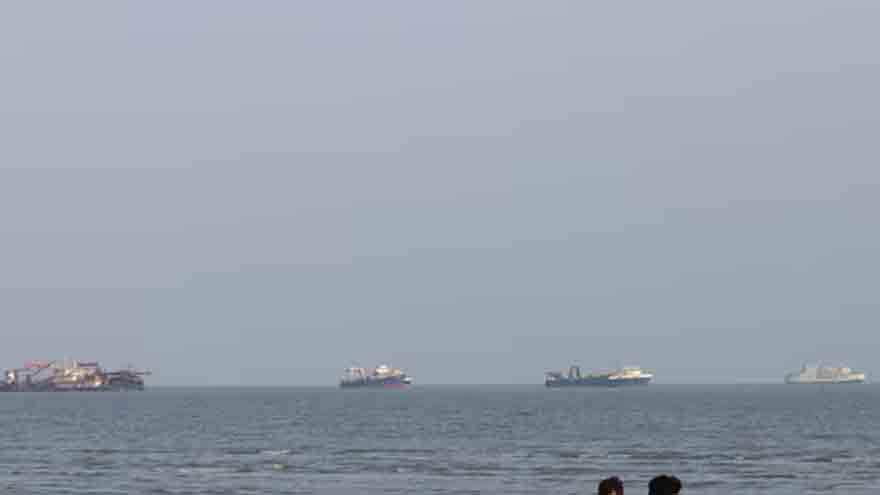
Iran’s offer to the US to reopen the Strait of Hormuz within seven days is still on the table, Foreign Minister Abbas Araqchi told Iranian media outlets on Sunday.
Iran submitted their proposal in mid-September after an interim ceasefire crumbled. Tehran later confirmed it had received a US response but Iran’s security director stated last week the negotiations were halted because Washington had failed to meet all seven conditions for reopening the strait.Our position is clear and is based on the seven-days plan that we made to the US. “We are studying the remarks made by them, but our offer is still on the table and if there is any honesty on the part of the US, which there isn’t, the way to reopen the Strait of Hormuz is obvious,” Araqchi said while in Baghdad for a summit of the Organization of Islamic Cooperation.
Iran’s demands include the easing of the US blockade on its ports, lifting of US restrictions on its oil exports and ending hostilities on all regional fronts, among other conditions.
If Washington meets Tehran’s criteria, the strait may reopen within six days and discussions could resume the following day, Araqchi added.
A key area of contention has been Washington’s insistence on confronting Iran’s nuclear program right away.
Earlier this month, US Vise President JD Vance said Iran had to scale back its uranium enrichment capabilities in a “meaningful” way to meet US demands and end the countries’ eight-month battle.
The talks should first focus on reopening the Strait of Hormuz, which before the war carried nearly a quarter of the global commerce in oil and liquefied natural gas (LNG), and restoring security in the waterway, Tehran believes.
Latest News
Bilawal calls for unity against terrorism, says Fazlur Rehman can help end emergency in KP
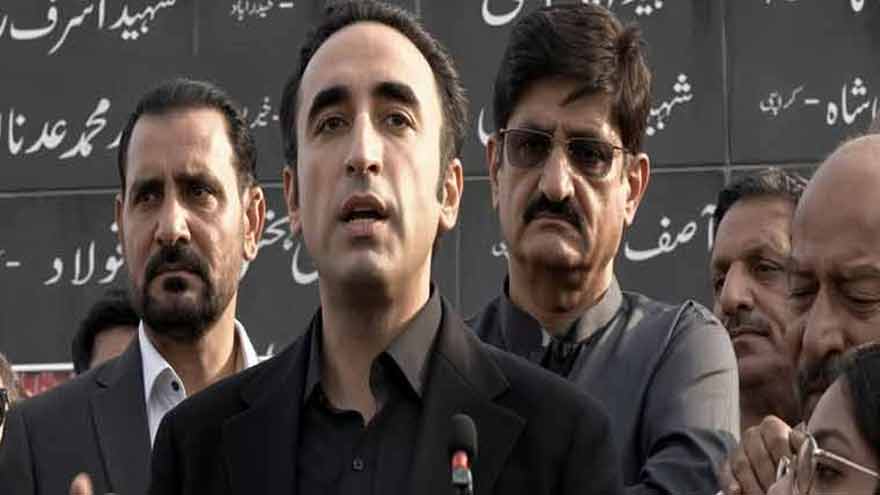
Pakistan Peoples Party (PPP) Chairman Bilawal Bhutto Zardari has called upon political leaders to desist from politicising the battle against terrorism stating Jamiat Ulema-e-Islam-Fazl (JUI-F) chief Maulana Fazlur Rehman can help end the emergency.
“The country’s top priority still is to eliminate terrorism, particularly in Balochistan and Khyber Pakhtunkhwa where the menace continues to pose a serious challenge,” Bilawal said while talking to party members in Karachi on the 19th anniversary of the Karsaz tragedy.
He highlighted that dealing with terrorism must be a serious and effective step and the problem should not become a cause of political debate.
Bilawal remarked that members of Maulana Fazlur Rehman’s party had also died in terrorist strikes, and added that he hoped the JUI-F president would openly condemn the terrorist groups.
Also Read: Bilawal Bhutto says terrorism, violence cannot dent resolve for democracy
“Fight against terrorism should not be turned into a political dispute,” Bilawal said, demanding clear and effective stand against the menace.
Talking about the situation that forced the emergency, the PPP Chairman stated that the chief minister of one province was not ready to face the terrorists and the authorities had no option but to impose the emergency step.
He urged political leaders to focus on fighting terrorism, not the politicisation of counterterrorism.
The JUI-F chief can play a constructive role in attempts to end the emergency, Bilawal remarked.

PCB to observe Breast Cancer Awareness Day during Pakistan v England ODI in Lahore

Iran urges US to accept proposal to reopen Strait of Hormuz

Bilawal calls for unity against terrorism, says Fazlur Rehman can help end emergency in KP

ICC board meeting in India: Mohsin Naqvi gets invitation

‘Self-Reliance in Digital ID’: NADRA launches locally produced QR code-based National Identity Card

23 people have died during the monsoon as rain-related incidents plague Punjab and KP.
-
 Latest News5 months ago
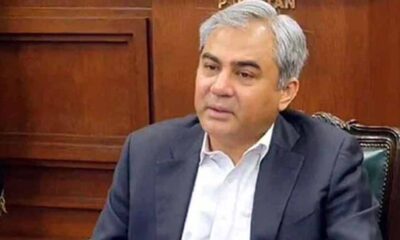
ICC board meeting in India: Mohsin Naqvi gets invitation
-
 Latest News2 months ago
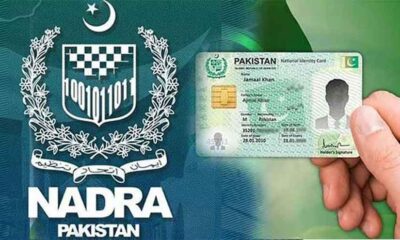
‘Self-Reliance in Digital ID’: NADRA launches locally produced QR code-based National Identity Card
-
 Latest News3 months ago
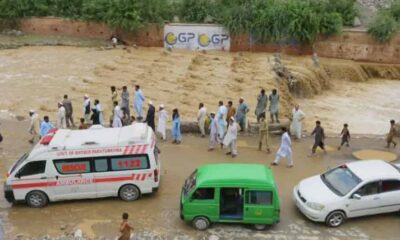
23 people have died during the monsoon as rain-related incidents plague Punjab and KP.
-
 Latest News2 months ago
Turkish FM, Dar discuss regional trends, bilateral connections
-
 Business3 months ago
Govt dedicated to resolving Balochistan issues: Dar
-
 Latest News3 months ago
Pakistan making rapid progress in robotics, AI: Shaza Fatima
-
 Entertainment5 months ago
Interim bail given to YouTuber Rajab Butt in gambling app marketing case
-
 Latest News3 months ago
After a divorce, LHC decides that women who have been harmed by their spouses get their dower.