
Latest News
‘Self-Reliance in Digital ID’: NADRA launches locally produced QR code-based National Identity Card

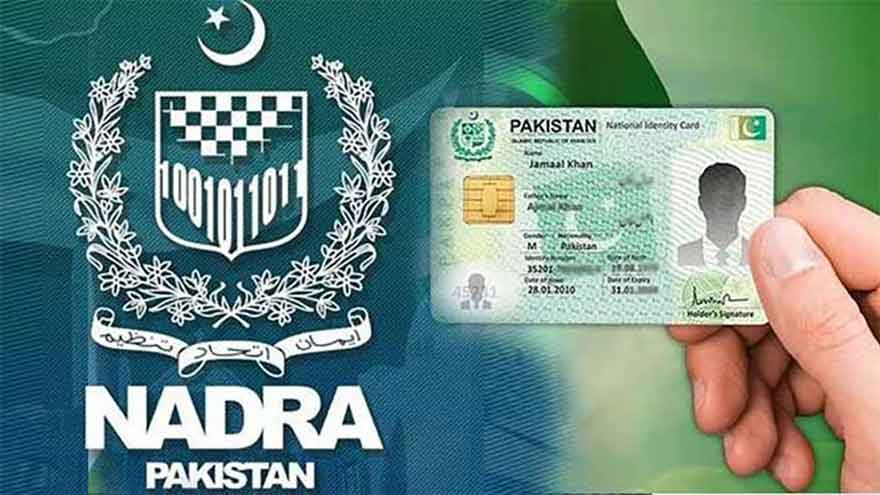
The National Database and Registration Authority (NADRA) has taken a major step toward self-reliance and accessible digital identity with the launch of a new chipless National Identity Card powered by a secure QR code.
The newly designed polycarbonate card was locally produced in Pakistan by National Security Printing Company (NSPC), Karachi according to NADRA’s technical and security criteria.
It has now replaced the imported microchip with a secure QR code, eliminating the need for foreign chip providers and simplifying the procedure of safe digital verification.
The federal government on 23 February 2026 officially approved the issuance of the new identity card.
The card contains a secure QR code that can be read and validated immediately on smartphones using the PakIdentity (PakID) mobile app instead of an implanted microchip.
The embedded QR code provides the cardholder’s basic identifying details and portrait, enabling institutions to feed biographical data into their computerised systems with minimum human input errors.
In addition to the standard family number, the new card will have unique symbols and indicators for individuals with impairments, older citizens, organ donors and residents of Azad Jammu and Kashmir.
The cardholder’s name and address are printed in both Urdu and English languages to ensure the readability of two languages during official activities.
The card’s visual and hidden security measures have been modernised to meet contemporary security needs and local manufacturing capabilities.
NADRA had introduced the chip-based Smart National Identity Card over 14 years ago but the infrastructure and hardware chip scanners were not available for wide scale use.
The QR code-based card overcomes these operational hurdles, allowing verification using ordinary smartphones or conventional software with camera capabilities.
Organisations authorised to do so, such as telecom carriers, banks, hospitals, Pakistan Railroads and law enforcement agencies, will be given special verification software that will allow them to scan and validate the cards instantaneously.
Read also: NADRA introduces self-service kiosks for public convenience
The new identity cards will be introduced in phases across the country.
The new polycarbonate card with the secure QR code will start to replace the present standard chipless Teslin material national identity cards being issued from August 14, 2026, which will be the first phase.
The QR code architecture will be extended to other sorts of identity cards including the National Identity Card for Overseas Pakistanis (NICOP) and Juvenile Cards from January 2027.
In the last phase of the transformation, the Pakistan Origin Card (POC) will also be converted to the new chipless QR code platform.
NADRA said that all the previously issued identity cards will stay valid till the marked expiry date.
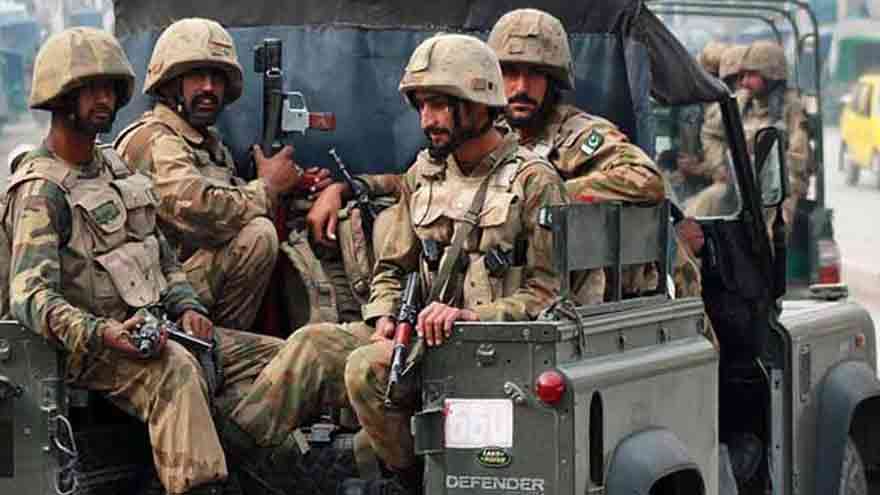
– Security forces have killed five terrorists and injured four others during an intelligence-based operation in the Palantak area of Washuk district in Balochistan, according to security sources.
The operation was conducted as part of ongoing security actions against Fitna al-Hindustan under Operation Raddul Fitna 3.
Security sources said weapons and ammunition were recovered from the militants killed during the operation. The recovered items included an RPG-7 launcher, five rounds, magazines, five advanced weapons, three mobile phones and two motorcycles.
The sources said militant hideouts were targeted with advanced weapons during the operation.
The militants killed in the operation were involved in looting local Baloch residents, spreading fear and damaging infrastructure.
Security forces have reiterated their commitment to eliminating terrorism in Balochistan, with operations set to continue until the threat is eliminated.
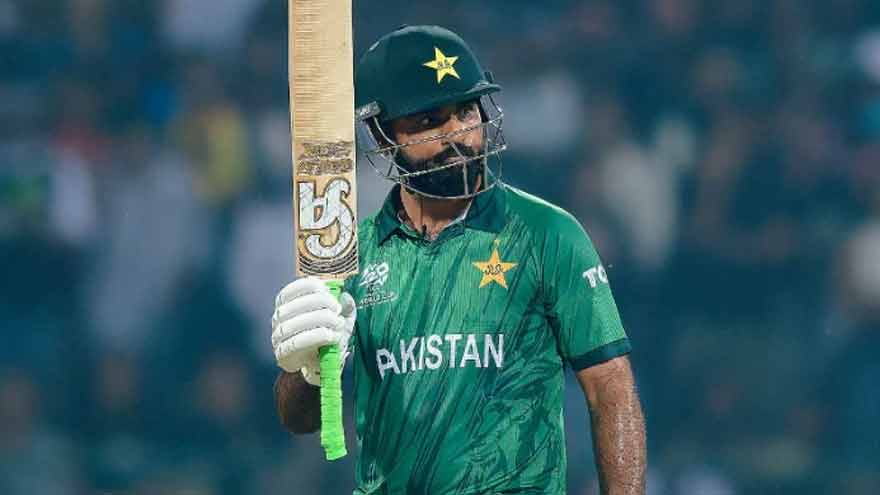
Pakistan’s senior opener Fakhar Zaman achieved a landmark in the third and final T20 International against Sri Lanka, becoming the first Pakistani hitter to hit 100 sixes in men’s T20I cricket.
The 36-year-old achieved the feat at Rawalpindi Cricket Stadium after he smashed Sri Lankan fast bowler Binura Fernando for six over deep midwicket.
Before today’s match, Fakhar had hit 99 sixes and needed just one more to reach the historic milestone.
However, he did not last long as he was sent back by Eshan Malinga after scoring 12 runs off seven balls.
In the meantime, Sri Lanka chased down Pakistan’s goal with Kusal Mendis shining with the bat as the visitors registered an eight-wicket win.
Latest News
Pakistan lift T20I series trophy despite defeat as Sri Lanka chase 169 with 17 balls to spare
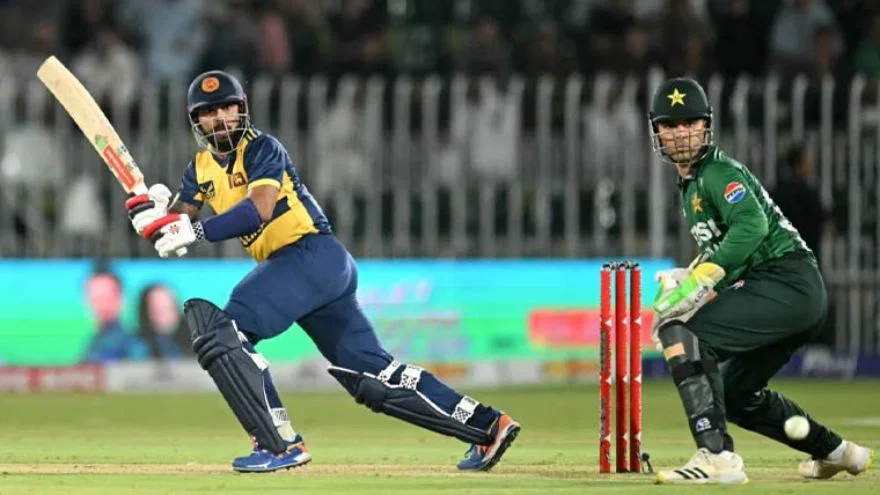
Sri Lanka captain Kusal Mendis scored a brisk unbeaten 87 as his side cruised to an eight-wicket victory against Pakistan in the third and final T20 International at Rawalpindi Cricket Stadium on Tuesday.
The visitors reached the target of 169 with 17 balls to spare, halting Pakistan’s winning streak in the series. But victory in the first two games meant Pakistan clinched the three-match series 2-1.
Kusal led the chase with an aggressive innings and Kamindu Mendis, with an unbroken 40, offered important support as Sri Lanka concluded at 171-2 in 17.1 overs. The visitors recovered from an early setback to take control of the affair, with Sineth Jayawardena also chipping in with a quick 38.
Farhan guides Pakistan recovery
Pakistan batted first and scored 168-8 in their 20 overs, with skipper Sahibzada Farhan top hitting with a blistering 76 off 47 balls.
Fakhar Zaman and Farhan gave Pakistan an aggressive start adding 34 runs in first three overs. Sri Lanka spinner Eshan Malinga, however, broke the hosts’ enthusiasm by getting the wickets of Fakhar for 12 in the fourth over and in-form batsman Maaz Sadaqat for a duck.
Hasan Nawaz joined Farhan at the crease and the two added 33 runs before Hasan was dismissed by Vijayakanth Viyaskanth for 16 off 17 balls in the ninth over. Pakistan lost another wicket in the next over as Dasun Shanaka removed wicketkeeper-batter Khawaja Nafay for three.
Shanaka kept up the pressure on the middle order, sending Mohammad Imran (six) and Abdul Samad (15) packing as Pakistan slumped to 102-6.
Farhan then found a vital ally in Arafat Minhas and the pair reinvigorated the innings with a stand of 66 runs. Minhas was 34 from 20 balls with two fours and two sixes while Farhan hit seven fours and three sixes before falling to Nuwan Thushara on the penultimate delivery.
Thushara then took his second wicket in the last over, bowling Razaullah for a duck to leave Pakistan short of 170.
Shanaka was Sri Lanka’s most successful bowler, taking three for 21 in four overs. Malinga and Thushara grabbed two wickets apiece, while Viyaskanth had one.
Kusal steps up
Sri Lanka’s chase got off to a shaky start when Mohammad Imran Randhawa caught Lahiru Udara lbw for one in the second over as the visitors slipped to 15-1.
Kusal reached No. 3 and joined Jayawardena to rebuild the innings. The pair combined 59 for the second wicket and once again put Pakistan under pressure with a positive attitude.
Arafat Minhas broke the partnership on the last delivery of the eighth over, removing Jayawardena for 38 off 26 balls. He struck five fours and two sixes to help Sri Lanka get off to a good start despite losing their second wicket.
Kamindu immediately joined his captain and the two ensured no further breakthroughs. Sri Lanka were 171-2 in 17.1 overs, with their third-wicket partnership undefeated on 92.
Kusal’s 48-ball 87 had nine fours and four sixes, while Kamindu’s 40 not came off 27 balls with four boundaries. Randhawa and Minhas were the sole wicket-takers for Pakistan.
Player of the series awarded to Farhan
Farhan was voted the player of the series for his exploits in the three T20Is despite Pakistan losing the last match. Sri Lanka won the last fixture after Pakistan had taken a 2-0 lead by winning the first two matches.
“Pakistan played well in the first two matches,” stated Farhan following the series triumph. He commended Minhas for his contribution. “The team wanted to keep up the good work and was happy with the overall performance of the side,” he said.

Security forces kill five terrorists in Balochistan’s Washuk

Fakhar Zaman becomes first Pakistani to hit 100 sixes in T20 Internationals

Pakistan lift T20I series trophy despite defeat as Sri Lanka chase 169 with 17 balls to spare

ICC board meeting in India: Mohsin Naqvi gets invitation

23 people have died during the monsoon as rain-related incidents plague Punjab and KP.

‘Self-Reliance in Digital ID’: NADRA launches locally produced QR code-based National Identity Card
-
 Latest News5 months ago
ICC board meeting in India: Mohsin Naqvi gets invitation
-
 Latest News3 months ago
23 people have died during the monsoon as rain-related incidents plague Punjab and KP.
-

 Latest News2 months ago
Turkish FM, Dar discuss regional trends, bilateral connections
-
 Business3 months ago
Govt dedicated to resolving Balochistan issues: Dar
-
 Latest News3 months ago
Pakistan making rapid progress in robotics, AI: Shaza Fatima
-

 Entertainment5 months ago
Interim bail given to YouTuber Rajab Butt in gambling app marketing case
-

 Latest News3 months ago
After a divorce, LHC decides that women who have been harmed by their spouses get their dower.
-

 Latest News5 months ago
A meta program to monitor mouse clicks made by employees in violation of EU privacy regulations