
Latest News
PM Shehbaz instructs all agencies to remain prepared for monsoon emergency

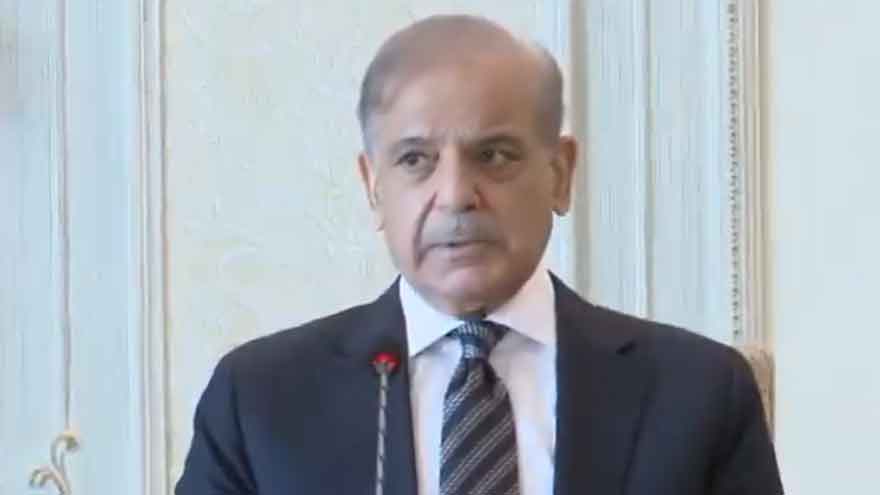
Prime Minister Shehbaz Sharif has advised all the appropriate institutions to stay vigilant to handle any emergency situation that may arise due to the ongoing monsoon.
He made the remarks while chairing a review meeting on the ongoing monsoon rains in the country and the consequent flood scenario.
He asked for continuous engagement with the NDMA, PDMA and provincial administrations. NDMA shall inform all federal and provincial entities on the monsoon situation and expected rains timely. The Federal Minister for Planning will be Chairman of the Flood Committee which will meet daily to examine the situation and decide the course of action. The early warning system on glacial lake outburst floods and Glacial floods in the northern areas must remain fully operational.
PM Shehbaz Sharif said in his speech that Pakistan’s contribution to the emission of greenhouse gases is low but Pakistan is being badly affected by the harmful impacts of climate change. The administration is working fast on long, medium and short term actions in view of the harmful effects of climate change. NDMA shall ensure that with collaboration of all institutions, loss of life and property is prevented during the ongoing spell of monsoon rains.
Chief Secretaries of all four provinces including Gilgit-Baltistan and Azad Kashmir briefed the meeting about recent monsoon rains, damages caused and rescue and relief operations.
The conference was informed that NDMA is extending all available support and resources to the provincial governments and institutions in connection with the flood situation due to the monsoon in the northern portions of the nation and the present extreme heatwave in Sindh and Balochistan. A major period of monsoon rainfall is forecast in Azad Kashmir, Gilgit-Baltistan and southern Sindh in the next two days. Also, a strong stretch of monsoon rainfall is also forecast across the country from the second week of September.
The Prime Minister has directed the Flood Committee to hold regular meetings where all concerned institutions are closely monitoring the present situation, working out a detailed plan of action for rescue and relief and rehabilitation measures and ensuring its implementation.
The gathering was also informed that till now, the current rainy spell has claimed 110 lives while 360 people have been hurt, 796 dwellings damaged and 376 cattle perished.
The meeting was told that the rate of melting of glaciers in the northern portions of Pakistan had risen because of the ongoing El-Niño phenomena at the global level, which posed a risk of glacial lake outburst floods and glacial floods in the month ahead. We’re working to identify possibly vulnerable sites and taking all precautions possible.”
Immediate measures have been made to mitigate the urban flooding situation in central Punjab including Lahore, it was told. In some regions, agricultural land is under water due to floodwaters in seasonal nullahs and drainage work is underway. The flood situation in Dera Ghazi Khan and nearby areas is under control at the moment.
The gathering was also updated by the NHA on the road closures due to landslides and their rehabilitation. The meeting was apprised that prompt steps have cleared traffic obstructions at 106 places.
The group was told that the Ministry of IT had activated the National Emergency Telecommunication Center. In any emergency circumstance, a call for aid from any mobile phone activates Rescue 1122 automatically and it reaches the spot for rescue and relief operations.
During the monsoon, 700 spots across the country have been found to store rainwater, so that this water may be used for agriculture during the dry season. Briefing The Prime Minister appreciated NDMA, PDMAs, provincial governments and all relevant organizations for their advance intelligence, preparations and rescue and relief operations during the recent monsoon.
The meeting was attended by Federal Ministers Khawaja Muhammad Asif, Ahsan Iqbal, Azam Nazeer Tarar, Dr. Musadiq Malik, Rana Tanveer Hussain, Muhammad Aurangzeb, Engineer Ameer Muqam, Ataullah Tarar, Shaza Fatima Khawaja, Sardar Awais Khan Leghari, Mian Muhammad Moeen Wattoo, Advisor to the Prime Minister Rana Sanaullah, Chairman NDMA Lieutenant General Inam Haider Malik and other relevant senior officials.

Saudi Foreign Minister Prince Faisal bin Farhan arrived in Washington on Monday for talks with US Secretary of State Marco Rubio, the Saudi state news agency said, amid escalating hostilities between Riyadh and Yemen’s Houthis.
The two will discuss bilateral ties as well as key regional and international developments, the agency added.
Saudi Crown Prince Mohammed bin Salman sought US military help this month against the Iran-backed Houthis, but Washington declined to launch strikes, though it agreed to supply intelligence and targeting support, sources had told Reuters.
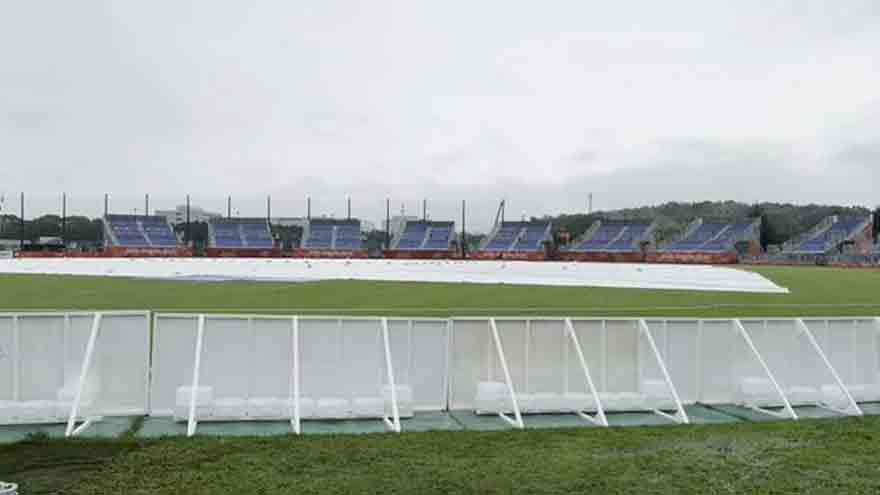
— Rain forced the abandonment of the 2026 Asian Games quarter-final tie between Pakistan and Hong Kong and Team Green advanced to the semi-finals based on their higher world rating.
The first quarter-final was intended to be played at Korogi Sports Park in Nisshin, Japan but the weather conditions meant that even the toss couldn’t take place.
But the rain continued and the match was abandoned by officials, so neither side had a chance to battle for a place in the last four.
Pakistan advanced to the semi-finals on account of a superior world ranking following the withdrawal. Now the national team will focus on the semi-final where it will race for a spot in the final.
The washout meant Pakistan moved on without playing the quarter-final while Hong Kong’s campaign ended with the match not being played.
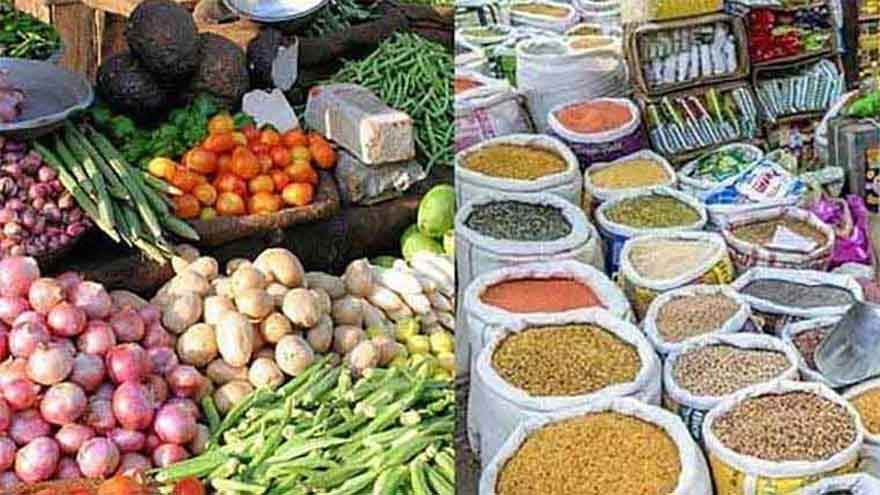
Consumers across Pakistan are facing higher food prices as the cost of vegetables, fruits, meat and flour has increased in several major cities, adding to pressure on household budgets.
In Lahore, vegetable prices remained above officially notified rates, with consumers complaining that market prices were higher despite government price lists. Onions, for instance, were officially priced at Rs195 per kilogram but were being sold for around Rs200 per kg in the market.
Tomatoes had an official rate of Rs150 per kg, while capsicum was being sold at Rs280, bitter gourd at Rs220 and cauliflower at Rs180 per kg, according to the reported market prices.
The situation was also reported in Faisalabad, where meat prices were significantly higher than the notified rates. Beef was being sold for around Rs1,500 per kg, compared with an official rate of Rs1,150.
Mutton prices saw an even larger difference, reaching approximately Rs3,000 per kg in the market against the notified price of Rs2,100 per kg.
The increase in meat prices has added to the financial burden on consumers, particularly households that have already been dealing with higher prices of essential food items.
In Peshawar, the price of flour also increased. The price of a 20-kilogram bag of fine flour reportedly rose by Rs100 to Rs3,150.
Consumers in Quetta also faced higher vegetable prices. Tomatoes reportedly became Rs40 per kg more expensive, while onion prices increased by Rs20 per kg. Okra prices rose by Rs30 per kg, while peas became Rs50 per kg more expensive.
The latest increases have renewed concerns among consumers about the gap between officially notified prices and actual retail market rates.
Official price lists are generally issued by district administrations and relevant authorities to regulate the prices of essential commodities. However, enforcement remains a challenge when retailers sell goods above notified rates.
For consumers, food inflation has a direct impact on household expenditure because vegetables, flour and meat form a significant part of daily food consumption. Higher prices can force families to reduce purchases, switch to cheaper alternatives or allocate a larger share of their income to food.
The price differences reported in different cities also reflect the varying supply and demand conditions in local markets. Transportation costs, availability of produce, seasonal changes and wholesale market prices can influence retail rates.
Authorities routinely conduct inspections and impose fines against retailers accused of overcharging, but consumers frequently complain that official rates are not consistently reflected in markets.
The latest rise in food prices comes as households continue to closely monitor the cost of essential commodities. Any sustained increase in food prices could further increase pressure on family budgets and household purchasing power.
Market conditions and government enforcement measures will determine whether the current price increases ease in the coming days.

Saudi Foreign Minister in Washington for Talks with Rubio

Pakistan reach semi-final as rain washes out Hong Kong match at Asian Games 2026

Food costs go up across Pakistan, making vegetables, meat and bread expensive

ICC board meeting in India: Mohsin Naqvi gets invitation

23 people have died during the monsoon as rain-related incidents plague Punjab and KP.

‘Self-Reliance in Digital ID’: NADRA launches locally produced QR code-based National Identity Card
-
 Latest News5 months ago
ICC board meeting in India: Mohsin Naqvi gets invitation
-
 Latest News2 months ago
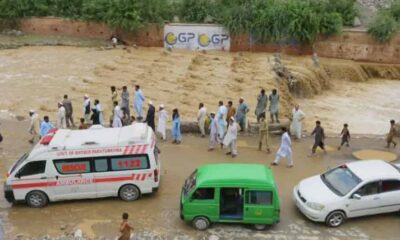
23 people have died during the monsoon as rain-related incidents plague Punjab and KP.
-
 Latest News1 month ago
‘Self-Reliance in Digital ID’: NADRA launches locally produced QR code-based National Identity Card
-
 Business2 months ago
Govt dedicated to resolving Balochistan issues: Dar
-

 Latest News2 months ago
Pakistan making rapid progress in robotics, AI: Shaza Fatima
-
 Latest News2 months ago
After a divorce, LHC decides that women who have been harmed by their spouses get their dower.
-

 Entertainment4 months ago
Interim bail given to YouTuber Rajab Butt in gambling app marketing case
-

 Latest News1 month ago
Turkish FM, Dar discuss regional trends, bilateral connections