
Latest News
UCP, HEC and PCB team up for nationwide cricket talent hunt

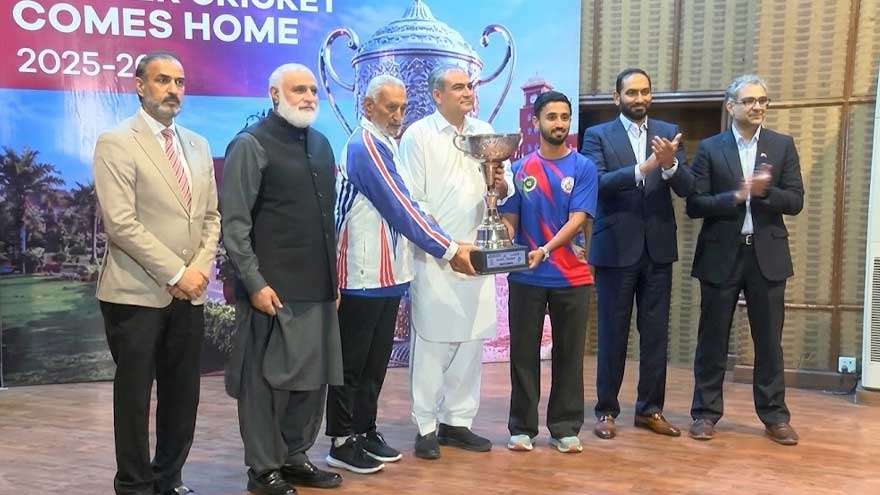
As the demand increases for university cricket to be made a permanent feature of Pakistan’s domestic structure, the University of Central Punjab (UCP) has offered its facilities and nationwide educational network to the Pakistan Cricket Board (PCB) and the Higher Education Commission (HEC) for a joint cricket talent-hunt program.
Punjab Group Chairman Mian Amer has proposed a cooperation to discover talented young players, provide training chances and create a clearer pathway from university competitions to first-class cricket. Speaking at the UCP’s annual sports prize distribution ceremony held in Lahore, which was also attended by PCB Chairman Mohsin Naqvi and HEC Chairman Dr Niaz Ahmad, he also asked the government to ensure that financial restrictions do not come in the way of outstanding students to pursue sporting careers.
Mian Amer commended the move being taken under the leadership of PCB and HEC that permits universities to send their teams instead of a limited group of players representing the whole university sector. The former set-up, where one HEC squad represented some 280 universities with only 11 players, was unable to provide opportunities to the whole pool of available talent.
The revamped approach allows for any university to send its squad to take part in the event, which was discussed at the ceremony. Mian Amer said the higher participation may help in unearthing a few hundred more players, providing the PCB a bigger pool from which to pick those good enough to represent Pakistan.
“He also commended Mohsin Naqvi and Dr Niaz Ahmad for opening new avenues for university cricketers, saying the move could help universities develop a direct link with the national cricket system.
Talent quest around the country
Mian Amer offered the cricket fields, facilities and sporting experience of UCP for joint training camps with PCB and HEC. He also suggested using the Punjab Group’s network of over 1,000 colleges across Pakistan to scout prospective players outside the big cities into smaller towns and rural regions.
The proposed agreement would involve a pooled database of university cricketers, PCB accreditation for campus coaches and specific cricket scholarships for promising players. Such metrics could help to detect rising potential and enhance coaching standards, as well as create a more systematic system for tracking players as they proceed through university competitions.
Mian Amer said that there was no dearth of sporting talent in Pakistan but the young athletes required the correct opportunities and encouragement to hone their ability. UCP has worked hard to polish the potential available to it and he expressed confidence that the sporting leadership of the university would continue to find promising athletes from around Punjab, he added.
Another issue raised by Mian Amer was women’s cricket and he appealed for the inclusion of female players from the start of the talent development program. He called on authorities to offer women athletes opportunity to receive structured training, to compete at higher levels and to move through the sporting system.
He also asked for a permanent place for university cricket in Pakistan’s domestic framework saying that development needed continuity rather than decisions being limited to certain seasons. He said sustained funding, scholarships, coaching, recognition and educational opportunities were crucial, warning that breaks might scatter talent and make it hard to restore a strong player base.
Talking about the changes in the domestic cricket structure of Pakistan, Mian Amer observed, “Discontinuation of departmental cricket had disrupted the flow of talent. Players have been dropped from departmental teams. It was some four years before any real effort was made to bring the pool of talent together again.
He praised Mohsin Naqvi for keeping his promise of reviving possibilities for cricketers and stated the national team of Pakistan started winning matches as the players got renewed opportunities to develop and compete.
Same chances
Mian Amer requested HEC to extend help to the public sector universities which find it difficult to compete in contests due to lack of funds. Financial restrictions should not be a barrier to pupils competing, developing their skills or pushing for positions in national squads, he said.
“Students from all backgrounds should be given a fair shot to succeed,” he said, calling for more support to institutions that can’t afford the expense of university competitions. “No player should be denied the opportunity to progress because their university is not well funded,” he remarked.
His pitch was not only to that particular sport, but to the whole sports system, for an atmosphere in which young athletes might develop their talent without undue restraint or financial impediment. He said all the students should be given a chance to compete for medals and bring laurels to Pakistan in sports at national and international levels.
The proposed partnership between HEC and PCB will increase participation in university cricket and also allow PCB to have access to a bigger pool of emerging talent. The format could provide more avenues for spotting talent and assist aspiring cricketers in their journey to domestic and international representation by enabling individual universities to compete.
The UCP has already made an impact on domestic cricket, with their side earning promotion to the Grade-II Gold League. Under the plan set out at the event a university that maintains Gold Category status for two years might see a university playing first-class cricket.
UCP planned to remain champions for the next season and attain first class status through the new pathway, Mian Amer remarked. The idea puts university tournaments at the heart of a more structured development system, connecting campus-level excellence with chances in the domestic game.
Athletics at UCP
Mian Amer added that Punjab Group of Colleges and UCP are committed to sports for the last three decades and the student athletes are encouraged to have academic qualifications along with their sports careers.
“The UCP’s specialised degree programs for sports students have been developed with the guidance of HEC and are designed to help athletes to continue their education while competing,” he said. The institutions’ athletic strategy also include coaching facilities, nourishment, travel accommodations, scholarships and long-term investment in athletes’ development.
Mian Amer said the Punjab Group of Colleges had won the overall champions’ trophy competitions held by the educational boards in Punjab for the last 30 years. UCP won the men’s General Trophy of HEC for 15 consecutive years out of over 280 universities.
He also pointed out the universities’ ties with Pakistan’s national cricket team, listing captain Salman Ali Agha, along with Abdul Samad, Tayyab Tahir, Hussain Talat, Khurram Shahzad, Hasan Ali, Faheem Ashraf and Wahab Riaz as players linked to the Punjab Group of Colleges.
Mian Amer also spoke on Pakistan hockey and said the national team had to suffer lot of hardships before getting backing under Mohsin Naqvi’s leadership at PCB. Nine of the 11 members of Pakistan hockey squad were linked with Punjab Group of Colleges, he said.
The institution’s sporting affiliations are not limited to cricket and hockey. Mian Amer further mentioned wrestler Inam Butt who is a world champion and is linked with the Punjab Group of Colleges and also spoke about the successes of its students at the Commonwealth Games where they bagged one gold, two silver and one bronze medal.
The students of the group have competed in 22 international sports and the girls have continued to win trophy competitions conducted by the educational boards for the past 30 years in a row. The institutes have also lured athletes from rural areas across Punjab, where sports like kabaddi offer an entry point to competitive play. Mian Amer claimed that players from rural areas used to join Punjab Group’s program frequently and competed successfully for HEC awards.
UCP said that some 100 present and past students of Punjab Group of Colleges and UCP have represented Pakistan at world level in 22 sports.
During the occasion UCP emphasised its readiness to contribute its grounds, facilities, coaching resources and institutional network to the envisaged PCB-HEC collaboration. The objectives include a bigger talent assessment procedure, specialist coaching, scholarships and better possibilities for women cricketers. Calls for financial help seek to make sure that public-sector colleges can also participate.
The idea is to link university contests with a more regular route into domestic cricket so the PCB can gauge a larger pool of players as institutions battle for chances to go up to first-class cricket.
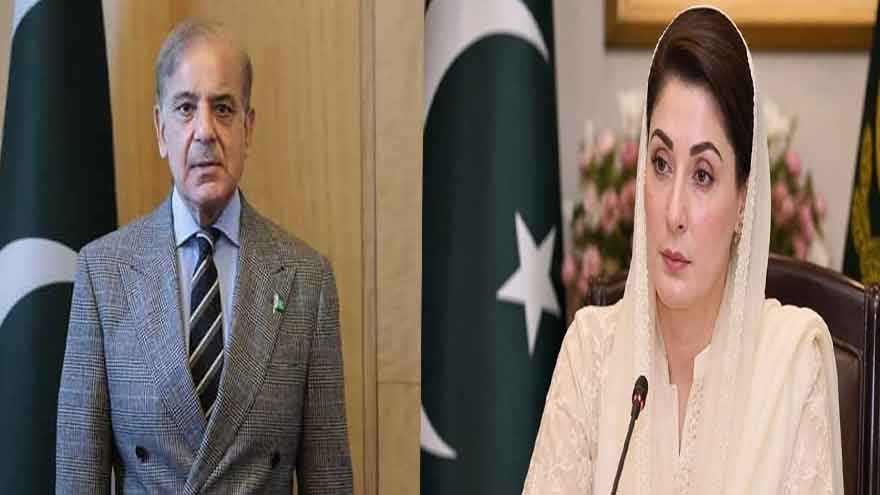
Prime Minister Shehbaz Sharif and Punjab Chief Minister Maryam Nawaz Sharif have emphasised the need for early screening, timely medical intervention and public awareness to address the rapidly increasing prevalence of diabetes in Pakistan.
In his message on World Diabetes Day, observed on November 14, 2026, the prime minister said the rapid spread of diabetes was becoming a serious public health challenge in the country. He stressed that timely screening and medical intervention were essential to prevent complications and save precious lives.
Shehbaz Sharif said Pakistan was joining the international community in highlighting the importance of effective measures and mutual cooperation to prevent diabetes. He noted that diabetes is a major public health problem worldwide, affecting millions of people. He added that expanding the coverage of early diagnosis and treatment facilities is essential to contain the spread of the disease in Pakistan. The Prime Minister said that the Prime Minister’s Diabetes Prevention and Control Program has been designed to combat the disease and the federal government has allocated Rs 680 crore for its implementation.
He said the plan aims to expand screening for early detection, improve primary health care facilities and increase public access to diagnosis and treatment.
Shehbaz Sharif added that promoting healthy lifestyles, raising public awareness and ensuring effective coordination between federal and provincial governments were also among the programme’s priorities.
He urged citizens to adopt healthy lifestyles, consume balanced and nutritious diets, make exercise part of their daily routines and undergo regular medical check-ups and screening. He also advised people to seek timely medical advice from qualified healthcare professionals.
Meanwhile, Punjab Chief Minister Maryam Nawaz Sharif, in her special message on World Diabetes Day, described diabetes as a silent enemy that could be controlled through precautionary measures, awareness and a disciplined lifestyle.
She said the rising prevalence of diabetes in Pakistan required more effective measures, adding that the rapid spread of the disease was a cause for concern but could be addressed through collective efforts.
Maryam Nawaz said health was a fundamental right of every citizen and the Punjab government was taking steps to ensure healthcare facilities reached people at their doorsteps. She said that for the first time in history, insulin kits are being delivered to the homes of children with type 1 diabetes.
The chief minister added that millions of medicine kits are also being sent home to patients suffering from diabetes and other diseases to ensure they have access to medical facilities at their doorsteps. She encouraged citizens to take responsibility for their own health and emphasized the importance of adopting a healthy lifestyle.
She said a balanced diet, regular exercise and continuous blood sugar monitoring are key to preventing and controlling diabetes. Maryam Nawaz believes that the fight against diabetes is not only the responsibility of the government but also the collective responsibility of society. She said raising public awareness and taking preventive measures can help slow the spread of the disease. She added that the theme of this year’s World Diabetes Day is “Diabetes and Health”, which emphasizes the importance of early screening and medical care to prevent complications.
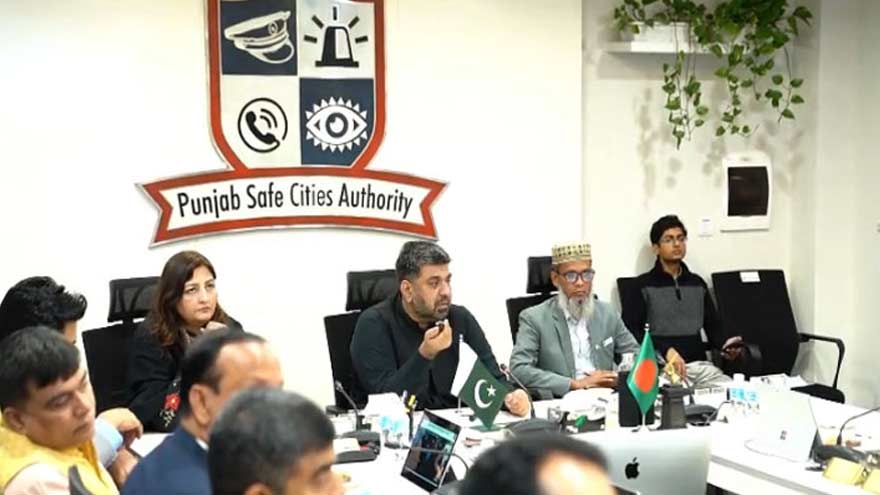
where it was briefed on advanced surveillance systems, artificial intelligence (AI), intelligent traffic management and technologies used to improve public safety.
The delegation included additional secretaries, joint secretaries, directors general and senior officials of various ministries. Chief Administrative Officer of Safe Cities, Kamran Hameed, welcomed the visiting officials and organized a tour of various departments.
During the visit, the delegation observed a surveillance system operating with Safe City cameras, as well as traffic management and emergency response mechanisms. Safe City Executive Director Mohammad Ahsan Yunas briefed the Bangladeshi officials in detail about the agency’s operations, technological infrastructure and smart safe city initiatives.
The delegation also learned about the Punjab Surveillance Network consisting of 43 smart and secure urban centers across the province. The briefing highlighted plans to expand the smart surveillance network to the tehsil level under the vision of the Punjab Chief Minister.
The visiting officials heard introductions on artificial intelligence surveillance, facial recognition technology and smart traffic management systems. Officials say the agency’s advanced artificial intelligence systems help identify criminals, detect suspicious activity and support police operations.
The delegation also heard presentations on artificial intelligence-based crime analysis, license plate recognition and advanced virtual patrolling systems. Learn more about the organization’s international ISO certifications related to artificial intelligence management and information security.
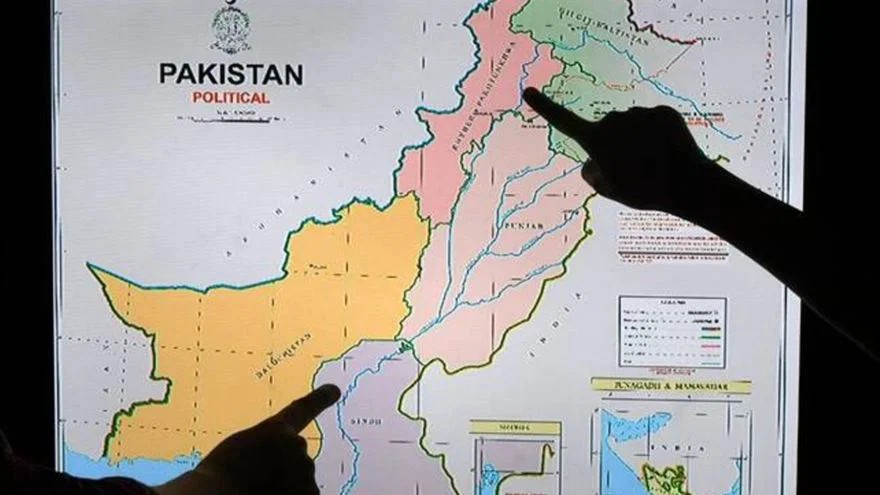
A growing number of Pakistanis want the country to have more provinces, and new poll results show growing public support for splitting up existing administrative units to improve governance, accelerate development and bring public services closer to citizens.
The demand is growing amid concerns that large provincial governments are struggling to meet the needs of remote areas and smaller communities. Meridian Analytics’ 2026 Meridian Country Barometer of 5,000 citizens found that 77% of respondents support annexation, a significant increase of 23 percentage points since November 2022. Support was 54% in 2022, rising to 66% in 2024 and finally reaching 77% in the latest poll.
Mian Amer proposes new provinces to improve governance, public services
The findings underline how the debate over new provinces is increasingly linked to everyday governance concerns rather than political boundaries alone, with citizens expecting smaller administrative units to improve the delivery of essential services and ensure more balanced regional development.
South Punjab, Bahawalpur in focus
The demand for new provinces has remained a prominent issue in Pakistan’s political landscape, particularly in Punjab, where calls for separate South Punjab and Bahawalpur provinces have repeatedly surfaced.
Supporters of a South Punjab province argue that a separate administrative structure would give the region greater attention in development planning, budget allocation and public service delivery. The region comprises several districts, including Multan, Bahawalpur, Dera Ghazi Khan, Rahim Yar Khan and Muzaffargarh.
Mohsin Naqvi calls for referendum on new provinces
The Bahawalpur province demand also has a distinct historical background, with advocates seeking restoration of the former Bahawalpur state’s provincial status. Both proposals have featured in political manifestos, parliamentary discussions and electoral campaigns, although disagreements over boundaries, administrative arrangements and political consensus have prevented their implementation. Hazaras and Potohars
Similar requests have emerged elsewhere. There are calls for a separate province in Khyber Pakhtunkhwa’s Hazara district, while proposals for a Karachi province regularly reignite the debate in Sindh. At the center of the administrative reorganization discussions are also proposals to create Potohar province to cover northern parts of Punjab.
Support from all over Pakistan
The Meridian survey found significant support in other of the four existing provinces, suggesting that demand is not limited to specific areas. The highest support was recorded in Sindh at 80%, followed by Punjab at 78%, Khyber Pakhtunkhwa at 75% and Balochistan at 72%. Karachi stood out with 92% support, one of the strongest numbers highlighted in the survey.

PM Shehbaz, Maryam Nawaz stress early screening to combat rising diabetes cases

35-member Bangladeshi delegation visits Punjab Safe Cities Authority

77pc of Pakistanis want new provinces, survey reveals

ICC board meeting in India: Mohsin Naqvi gets invitation

‘Self-Reliance in Digital ID’: NADRA launches locally produced QR code-based National Identity Card

23 people have died during the monsoon as rain-related incidents plague Punjab and KP.
-
 Latest News6 months ago
ICC board meeting in India: Mohsin Naqvi gets invitation
-
 Latest News3 months ago
‘Self-Reliance in Digital ID’: NADRA launches locally produced QR code-based National Identity Card
-
 Latest News4 months ago
23 people have died during the monsoon as rain-related incidents plague Punjab and KP.
-
 Latest News3 months ago
Turkish FM, Dar discuss regional trends, bilateral connections
-
 Business4 months ago
Govt dedicated to resolving Balochistan issues: Dar
-
 Latest News4 months ago
Pakistan making rapid progress in robotics, AI: Shaza Fatima
-

 Entertainment6 months ago
Interim bail given to YouTuber Rajab Butt in gambling app marketing case
-

 Latest News4 months ago
After a divorce, LHC decides that women who have been harmed by their spouses get their dower.