
Latest News
New attacks in Hormuz and Saudi test nerves as war’s spread worsens oil disruption

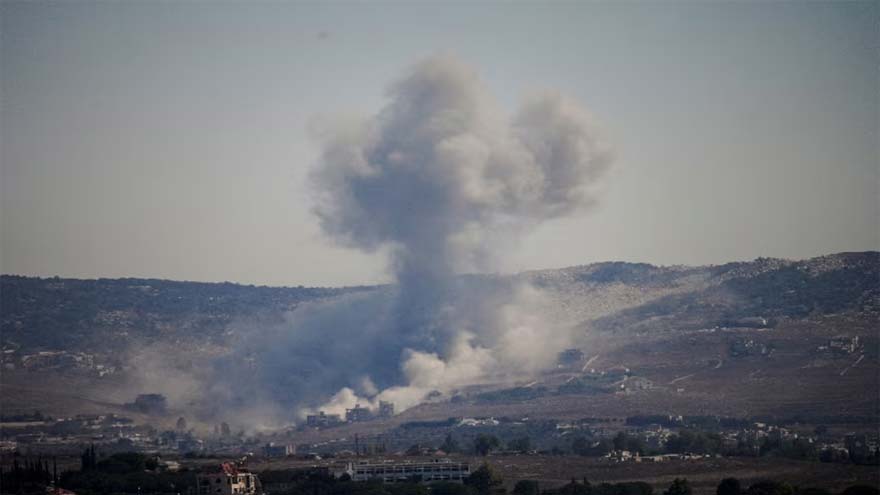
New strikes on Saudi Arabia and on ships in the Gulf tested nerves in the Middle East on Sunday, after an attack on a Saudi oil pipeline and an advance by Yemen’s Houthis threatened to worsen the wartime disruption to global energy supplies.
Oil traders were expecting prices to rise again when markets reopen on Monday, following the weekend developments that jeopardise supplies from the world’s biggest exporter, Saudi Arabia.
The British maritime security agency UKMTO said on Sunday that a vessel had been struck by a projectile as it moved through the Strait of Hormuz, causing a fire and forcing the crew to be evacuated. Iran, for its part, said one person was killed and four crew wounded aboard an Iranian commercial vessel struck off its coast.
In Saudi Arabia, state media released video of damage to homes and a mosque from the purported latest cross-border attack by the Houthis, in Jazan province in the south. The Houthis claimed separately to have struck a Saudi military base in a neighbouring province.
Southern Saudi cities have experienced regular alerts since last week, culminating in drone strikes on Friday that knocked out the 1,200-km (745-mile) east-west pipeline across the Arabian Peninsula that has served as the main route for global supplies of Middle East oil bypassing the Strait of Hormuz.
That same day, the Houthis captured Perim Island, which lies in the middle of the Bab El-Mandeb, the “Gate of Tears” strait that controls the mouth of the Red Sea.
U.S. DIESEL HITS ANOTHER RECORD
Oil prices surged above $100 last week for the first time since July. The politically sensitive retail price of diesel fuel in the United States rose on Sunday to another all-time high above $6.20 a gallon.
Traders and Saudi oil buyers told Reuters on Sunday that Riyadh has enough oil stored at its Red Sea port of Yanbu to maintain exports for just five to seven days if the pipeline struck on Friday remains shut.
After that, as much as 4% of global oil supply could be jeopardised, on top of the millions of barrels a day already lost to the disruption to traffic through the Strait of Hormuz.
Saudi Arabia has not given full details of the extent of damage to the pipeline or said how long it will remain offline. Sources that spoke to Reuters have given conflicting estimates for the time needed to fix it, ranging from days to weeks. Satellite images have shown huge columns of smoke from locations along the pipeline.
TALKS IN OMAN POSTPONED
After a quiet August when flows of Middle East oil trickled back up, the past two weeks have seen a steady escalation in the war that the United States and Israel launched six months ago. No peace talks have been held since an interim agreement in June collapsed after a few weeks.
In a rare diplomatic initiative, Iranian officials had said they would attend a meeting on Monday with Gulf Arab states in Oman to present an agreement they say has been reached with Oman governing future shipping routes through the strait.
But Oman’s foreign minister, Sayyid Badr Albusaidi, posted late Sunday that the regional meeting had been postponed “in the interests of consensus.”
“We remain committed to fostering dialogue that supports stability and lasting cooperation in our region,” he wrote in a post on X.
Iran’s Fars news agency cited an Iranian foreign ministry official on Sunday evening as saying that the Oman meeting was postponed at the request of some regional countries in a decision jointly made by Tehran and Muscat. The official said Iran would coordinate with Oman to determine a suitable date for holding the meeting, the agency said.
Iraq had said it would send a delegation, and a Gulf official had told Reuters that Saudi Arabia and Qatar would be represented by their foreign ministers.
A senior Iranian official had told Reuters on Saturday that officials would discuss Hormuz and other issues at the meeting, but added it would probably not yield a signed agreement to reopen the strait. Bahrain said it would not meet with any Iranians.
In an interview with London-based pan-Arab news outlet Al-Arabi Al-Jadeed, Iran’s Foreign Minister Abbas Araqchi said despite any agreement with Oman, Iran would not reopen the strait until the United States satisfies Tehran’s demands.
HOUTHI ADVANCES POSE NEW DILEMMA FOR WASHINGTON
The U.S. has so far failed to achieve the objectives President Donald Trump set out when he launched “Operation Epic Fury” in February: to end Iran’s nuclear programme, prevent it from being able to attack its neighbours and create conditions for its people to topple their rulers.
Iran, having withstood the superpower onslaught despite military and economic losses, hopes to emerge stronger than before the war, including with the newfound power to collect fees from ships that use the strait.
The attacks on Saudi Arabia and the Houthi advances in Yemen pose a new dilemma for Washington, which wants to support its Saudi allies and protect shipping but is wary of joining war on another front. The Houthi attacks have also left Gulf states with a difficult choice: accept growing economic pain or engage with Iran.
The Houthis, mountain fighters who captured Yemen’s capital in 2014, have been battling a Saudi-led coalition for more than a decade but had mostly kept out of the wider Middle East war until recent weeks. Their advance along the Red Sea coast is part of the biggest eruption of fighting in Yemen for years.
The United States bombed the Houthis for two months in 2025, but Trump halted that campaign after announcing the group had lifted a threat to attack Red Sea shipping.
Three sources told Reuters that Saudi Arabia’s de facto leader, Crown Prince Mohammed bin Salman, phoned Trump on Thursday asking for military aid to fight the Houthis, but was offered only intelligence support for now.
Trump acknowledged on Saturday that he had spoken to the crown prince, and said the Houthis had also phoned the U.S. administration, asking Washington to keep out of the Yemen war.
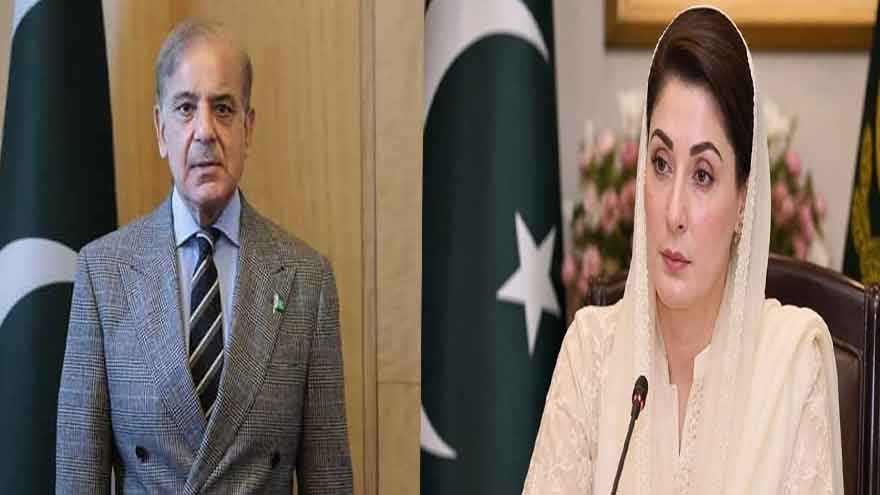
Prime Minister Shehbaz Sharif and Punjab Chief Minister Maryam Nawaz Sharif have emphasised the need for early screening, timely medical intervention and public awareness to address the rapidly increasing prevalence of diabetes in Pakistan.
In his message on World Diabetes Day, observed on November 14, 2026, the prime minister said the rapid spread of diabetes was becoming a serious public health challenge in the country. He stressed that timely screening and medical intervention were essential to prevent complications and save precious lives.
Shehbaz Sharif said Pakistan was joining the international community in highlighting the importance of effective measures and mutual cooperation to prevent diabetes. He noted that diabetes is a major public health problem worldwide, affecting millions of people. He added that expanding the coverage of early diagnosis and treatment facilities is essential to contain the spread of the disease in Pakistan. The Prime Minister said that the Prime Minister’s Diabetes Prevention and Control Program has been designed to combat the disease and the federal government has allocated Rs 680 crore for its implementation.
He said the plan aims to expand screening for early detection, improve primary health care facilities and increase public access to diagnosis and treatment.
Shehbaz Sharif added that promoting healthy lifestyles, raising public awareness and ensuring effective coordination between federal and provincial governments were also among the programme’s priorities.
He urged citizens to adopt healthy lifestyles, consume balanced and nutritious diets, make exercise part of their daily routines and undergo regular medical check-ups and screening. He also advised people to seek timely medical advice from qualified healthcare professionals.
Meanwhile, Punjab Chief Minister Maryam Nawaz Sharif, in her special message on World Diabetes Day, described diabetes as a silent enemy that could be controlled through precautionary measures, awareness and a disciplined lifestyle.
She said the rising prevalence of diabetes in Pakistan required more effective measures, adding that the rapid spread of the disease was a cause for concern but could be addressed through collective efforts.
Maryam Nawaz said health was a fundamental right of every citizen and the Punjab government was taking steps to ensure healthcare facilities reached people at their doorsteps. She said that for the first time in history, insulin kits are being delivered to the homes of children with type 1 diabetes.
The chief minister added that millions of medicine kits are also being sent home to patients suffering from diabetes and other diseases to ensure they have access to medical facilities at their doorsteps. She encouraged citizens to take responsibility for their own health and emphasized the importance of adopting a healthy lifestyle.
She said a balanced diet, regular exercise and continuous blood sugar monitoring are key to preventing and controlling diabetes. Maryam Nawaz believes that the fight against diabetes is not only the responsibility of the government but also the collective responsibility of society. She said raising public awareness and taking preventive measures can help slow the spread of the disease. She added that the theme of this year’s World Diabetes Day is “Diabetes and Health”, which emphasizes the importance of early screening and medical care to prevent complications.
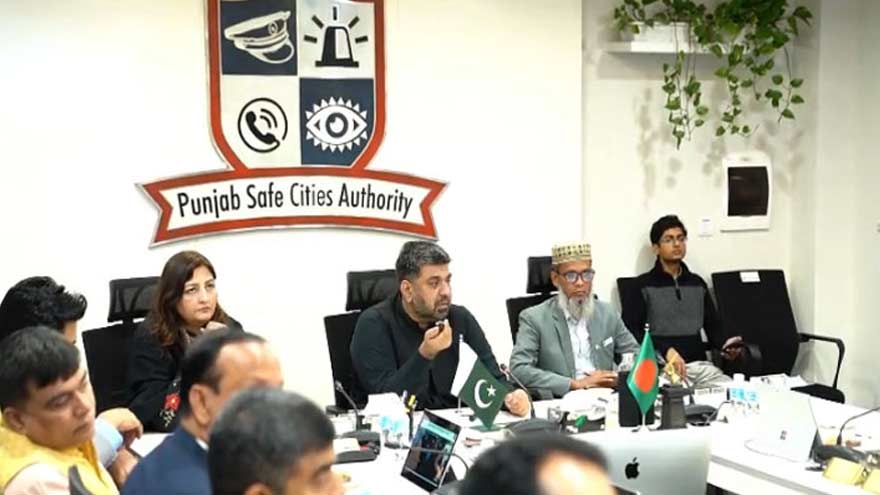
where it was briefed on advanced surveillance systems, artificial intelligence (AI), intelligent traffic management and technologies used to improve public safety.
The delegation included additional secretaries, joint secretaries, directors general and senior officials of various ministries. Chief Administrative Officer of Safe Cities, Kamran Hameed, welcomed the visiting officials and organized a tour of various departments.
During the visit, the delegation observed a surveillance system operating with Safe City cameras, as well as traffic management and emergency response mechanisms. Safe City Executive Director Mohammad Ahsan Yunas briefed the Bangladeshi officials in detail about the agency’s operations, technological infrastructure and smart safe city initiatives.
The delegation also learned about the Punjab Surveillance Network consisting of 43 smart and secure urban centers across the province. The briefing highlighted plans to expand the smart surveillance network to the tehsil level under the vision of the Punjab Chief Minister.
The visiting officials heard introductions on artificial intelligence surveillance, facial recognition technology and smart traffic management systems. Officials say the agency’s advanced artificial intelligence systems help identify criminals, detect suspicious activity and support police operations.
The delegation also heard presentations on artificial intelligence-based crime analysis, license plate recognition and advanced virtual patrolling systems. Learn more about the organization’s international ISO certifications related to artificial intelligence management and information security.
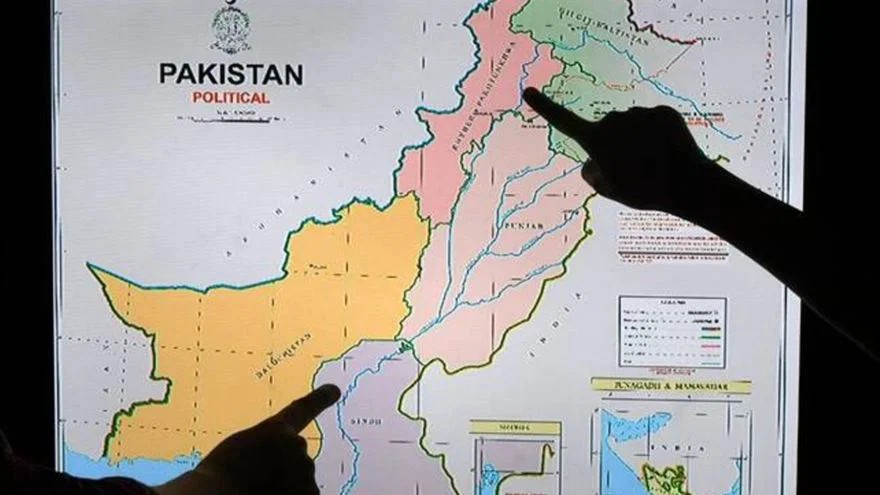
A growing number of Pakistanis want the country to have more provinces, and new poll results show growing public support for splitting up existing administrative units to improve governance, accelerate development and bring public services closer to citizens.
The demand is growing amid concerns that large provincial governments are struggling to meet the needs of remote areas and smaller communities. Meridian Analytics’ 2026 Meridian Country Barometer of 5,000 citizens found that 77% of respondents support annexation, a significant increase of 23 percentage points since November 2022. Support was 54% in 2022, rising to 66% in 2024 and finally reaching 77% in the latest poll.
Mian Amer proposes new provinces to improve governance, public services
The findings underline how the debate over new provinces is increasingly linked to everyday governance concerns rather than political boundaries alone, with citizens expecting smaller administrative units to improve the delivery of essential services and ensure more balanced regional development.
South Punjab, Bahawalpur in focus
The demand for new provinces has remained a prominent issue in Pakistan’s political landscape, particularly in Punjab, where calls for separate South Punjab and Bahawalpur provinces have repeatedly surfaced.
Supporters of a South Punjab province argue that a separate administrative structure would give the region greater attention in development planning, budget allocation and public service delivery. The region comprises several districts, including Multan, Bahawalpur, Dera Ghazi Khan, Rahim Yar Khan and Muzaffargarh.
Mohsin Naqvi calls for referendum on new provinces
The Bahawalpur province demand also has a distinct historical background, with advocates seeking restoration of the former Bahawalpur state’s provincial status. Both proposals have featured in political manifestos, parliamentary discussions and electoral campaigns, although disagreements over boundaries, administrative arrangements and political consensus have prevented their implementation. Hazaras and Potohars
Similar requests have emerged elsewhere. There are calls for a separate province in Khyber Pakhtunkhwa’s Hazara district, while proposals for a Karachi province regularly reignite the debate in Sindh. At the center of the administrative reorganization discussions are also proposals to create Potohar province to cover northern parts of Punjab.
Support from all over Pakistan
The Meridian survey found significant support in other of the four existing provinces, suggesting that demand is not limited to specific areas. The highest support was recorded in Sindh at 80%, followed by Punjab at 78%, Khyber Pakhtunkhwa at 75% and Balochistan at 72%. Karachi stood out with 92% support, one of the strongest numbers highlighted in the survey.

PM Shehbaz, Maryam Nawaz stress early screening to combat rising diabetes cases

35-member Bangladeshi delegation visits Punjab Safe Cities Authority

77pc of Pakistanis want new provinces, survey reveals

ICC board meeting in India: Mohsin Naqvi gets invitation

‘Self-Reliance in Digital ID’: NADRA launches locally produced QR code-based National Identity Card

23 people have died during the monsoon as rain-related incidents plague Punjab and KP.
-
 Latest News6 months ago
ICC board meeting in India: Mohsin Naqvi gets invitation
-
 Latest News3 months ago
‘Self-Reliance in Digital ID’: NADRA launches locally produced QR code-based National Identity Card
-
 Latest News4 months ago
23 people have died during the monsoon as rain-related incidents plague Punjab and KP.
-

 Latest News3 months ago
Turkish FM, Dar discuss regional trends, bilateral connections
-
 Business4 months ago
Govt dedicated to resolving Balochistan issues: Dar
-

 Latest News4 months ago
Pakistan making rapid progress in robotics, AI: Shaza Fatima
-

 Entertainment6 months ago
Interim bail given to YouTuber Rajab Butt in gambling app marketing case
-
 Latest News4 months ago
After a divorce, LHC decides that women who have been harmed by their spouses get their dower.