
Business
SMEDA plans new e-commerce programme to empower Pakistani entrepreneurs

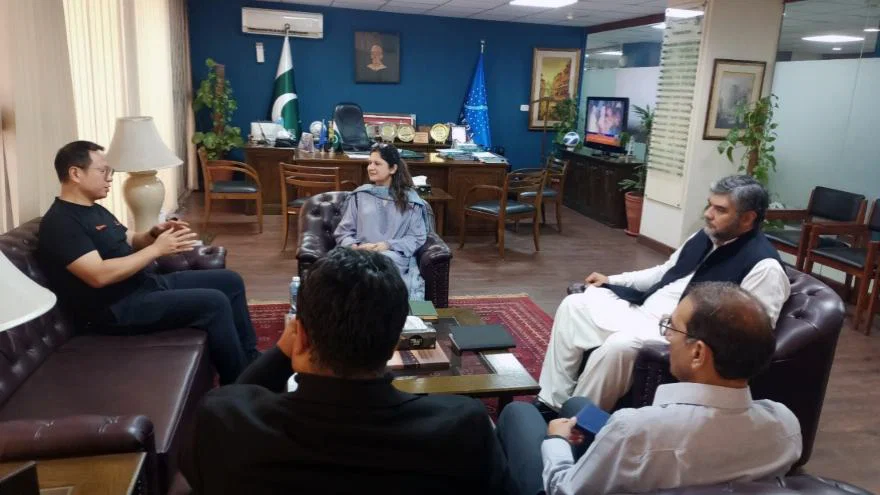
The Small and Medium Enterprises Development Authority (SMEDA) and Daraz Pakistan are exploring new avenues of collaboration to help Pakistani small and medium-sized enterprises (SMEs) build digital capabilities, expand their access to e-commerce and unlock new opportunities for growth.
The discussion took place during a meeting between Nadia Jahangir Seth, Chief Executive Officer of SMEDA, and Ben Yi, Managing Director of Daraz Pakistan. The two organisations explored potential areas of cooperation, including e-commerce education, capacity building and initiatives aimed at supporting women-led businesses.
The proposed collaboration is aligned with SMEDA’s broader efforts under the strategic direction of the Ministry of Industries and Production (MoI&P) to strengthen the digital capabilities of SMEs. It also supports efforts to promote women’s entrepreneurship and inclusive SME development in Pakistan, in line with Prime Minister Shehbaz Sharif’s economic vision.
E-commerce programme
A key development discussed during the meeting was SMEDA’s upcoming e-commerce programme, which is designed to equip SMEs with practical knowledge and capabilities to participate more effectively in the digital economy.
SMEDA and Daraz also explored opportunities for the e-commerce platform to contribute its industry expertise to the development of a specialised curriculum. The proposed curriculum could help entrepreneurs understand and manage the complete online selling journey, from establishing a digital business to serving customers and fulfilling orders.
Potential areas of training include setting up and managing an online business, product listings and merchandising, digital marketing, customer engagement, payments and fulfilment, along with other essential aspects of operating a successful e-commerce business.
The programme is expected to focus on practical knowledge that can help entrepreneurs navigate the rapidly expanding digital marketplace and develop the skills required to establish and manage online businesses.
Women entrepreneurs
The proposed collaboration will also explore dedicated opportunities for women entrepreneurs, with an emphasis on helping more women-led businesses develop digital skills, improve market access and build the confidence needed to establish and expand their online presence.
Nadia Jahangir Seth said digital transformation presents a significant opportunity for Pakistan’s SMEs to improve competitiveness, reach new markets and build sustainable businesses.
“SMEDA is working to strengthen the capabilities of entrepreneurs through practical and accessible programmes, and e-commerce will be an important part of this journey,” she said.
She added that collaboration with industry leaders such as Daraz could help ensure entrepreneurs receive relevant, market-oriented skills. “We are particularly focused on creating greater opportunities for women entrepreneurs through targeted capacity building, digital inclusion and market access,” she said.
Industry expertise
Ben Yi said Pakistan’s SME sector has significant potential to benefit from the growth of e-commerce, but businesses need more than simply an online presence to build sustainable digital operations.
“Entrepreneurs need the right knowledge, tools and support to build sustainable digital businesses,” he said.
“Our discussion with SMEDA is an important step towards exploring how we can bring Daraz’s experience and capabilities to a broader community of entrepreneurs, particularly women-led businesses. We look forward to working together on practical initiatives that can help SMEs participate and succeed in the digital economy,” he added.
The meeting focused on strengthening Pakistan’s digital entrepreneurship ecosystem and enabling SMEs to make greater use of opportunities emerging from e-commerce.
The federal government has announced mixed modifications to the pricing of fuel and diesel for motorists for September 26 to 28.
Petrol has gotten dearer in the latest revision, but high-speed diesel has been cut by a few rupees a litre. The revised rates go into effect on September 26.
The price of fuel has been raised by Rs2.02 per litre, bringing the new rate to Rs391.30 per litre. The current increase comes after petrol prices which remain around Rs400 per litre and add to the expense of fuel for motorists.
The hike in petrol prices will continue to be applied for the three-day period indicated by the government under the revised rates.
In the meantime, the price of high speed diesel has been cut by Rs3.59 per litre. After the cut, high-speed diesel will be available from September 26 for Rs408.53 a litre.
Diesel still remains over the Rs400-per-litre mark and the drop kicks in. The government announced the new rate, which will be in force until September 28. The federal government has announced new petrol and diesel pricing for the period from September 26 to 28 with mixed changes for motorists.
In the latest adjustment petrol has gone up but high speed diesel has dropped down by few rupees per litre. The revised rates go into effect on September 26.
The price of fuel has been raised by Rs2.02 per litre, bringing the new rate to Rs391.30 per litre. The current increase comes after petrol prices which remain around Rs400 per litre and add to the expense of fuel for motorists.
The hike in petrol prices will continue to be applied for the three-day period indicated by the government under the revised rates.
In the meantime, the price of high speed diesel has been cut by Rs3.59 per litre. After the cut, high-speed diesel will be available from September 26 for Rs408.53 a litre.
The drop has come even as diesel continues to be over the Rs400-a-litre mark. The government’s recent announcement said the new tariff will remain in place until 28 September.
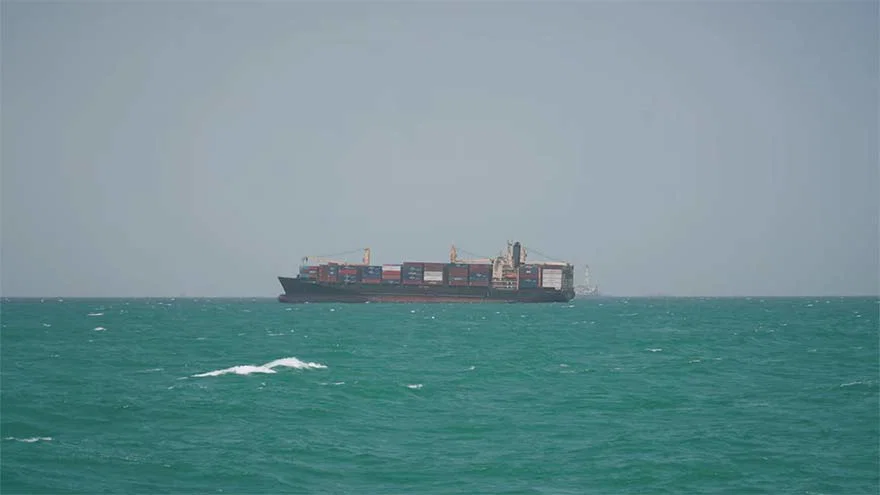
Saudi petroleum exports to Pakistan via the Red Sea reopened after drone attacks stopped a crucial pipeline, alleviating scarcity concerns as regional violence affects the country’s primary Middle Eastern supply sources, officials said on Tuesday.
Saudi Arabia resumed the operation of its East-West Pipeline that transports crude from oilfields in the Kingdom’s east to the Red Sea port of Yanbu, after it was interrupted on Sept 13 due to attacks that also suspended loadings at the export terminal.
The route helps Saudi crude avoid the Strait of Hormuz, where commerce had been severely affected since the war involving the United States, Israel and Iran broke out in February. TANKERS FROM YANBU TO PAKISTAN SAILING SOUTH THROUGH THE RED SEA AND THE BAB AL-MANDAB STRAIT TO THE ARABIAN SEA.
Reuters reported Tuesday that the East-West Pipeline had resumed at a slower rate and work was ongoing to get flows back up to their pre-war level of about 4 million barrels a day, or four percent of the world’s oil supply.
The restart helped send benchmark Brent crude down more than $2 to about $98 a barrel Tuesday, its lowest level in two weeks, while prices remain high on continuing disruption across the Middle East.
A delegation of the International Monetary Fund (IMF) has landed in Pakistan to discuss the country’s economic performance under the $7 billion Extended Fund Facility (EFF) and the Resilience and Sustainability Facility (RSF).
The IMF mission will begin technical talks with officials of the State Bank of Pakistan (SBP), sources in the Finance Ministry said. The first round of talks will be held on current account, policy rate and exchange rate while SBP officials will update the delegation on economic performance of the country.
Pakistan will also advise the IMF team on its foreign currency reserves, which have crossed the $17 billion level and an increase in foreign direct investment. The delegation will be informed about the successful issuance of the Eurobond and funds received from external sources.
The IMF mission will then go to Islamabad to meet with the Finance Ministry, Federal Board of Revenue, Ministry of Energy and other relevant departments after meetings with the State Bank.
The discussions are planned to take place over a period of around two weeks and will include economic developments and program performance up to June 2026. The discussions will also focus on fundamental benchmarks and milestones tied to Pakistan’s economic reform program.
The assessment will look at, among other things, improvements in the energy sector. Targets in circular debt in the electricity and gas sectors, as well as other structural and budgetary measures are likely to be discussed by the two parties.
Recent reporting suggests that a successful evaluation might make Pakistan eligible for roughly $1 billion under the EFF and another $200 million under the RSF, bringing the potential combined payment to some $1.2 billion.
Pakistan entered the $7 billion, 37-month EFF program in September 2024. These talks are the fourth review of the EFF and the third review under the RSF.

Six big takeaways from a turbulent week of UN diplomacy

SMEDA plans new e-commerce programme to empower Pakistani entrepreneurs

Petrol price up by Rs 2.02, diesel down by Rs 3.59

ICC board meeting in India: Mohsin Naqvi gets invitation

23 people have died during the monsoon as rain-related incidents plague Punjab and KP.

Govt dedicated to resolving Balochistan issues: Dar
-
 Latest News4 months ago
ICC board meeting in India: Mohsin Naqvi gets invitation
-
 Latest News2 months ago
23 people have died during the monsoon as rain-related incidents plague Punjab and KP.
-
 Business2 months ago
Govt dedicated to resolving Balochistan issues: Dar
-
 Latest News1 month ago
‘Self-Reliance in Digital ID’: NADRA launches locally produced QR code-based National Identity Card
-
 Latest News2 months ago
Pakistan making rapid progress in robotics, AI: Shaza Fatima
-

 Entertainment4 months ago
Interim bail given to YouTuber Rajab Butt in gambling app marketing case
-
 Latest News2 months ago
After a divorce, LHC decides that women who have been harmed by their spouses get their dower.
-

 Latest News4 months ago
A meta program to monitor mouse clicks made by employees in violation of EU privacy regulations