
Latest News
KP healthcare system faces acute shortage of doctors, hospital beds


A concerning shortage of healthcare facilities and medical staff has emerged in Khyber Pakhtunkhwa, highlighting significant gaps in the province’s healthcare system.
Only 8,024 doctors are available to serve the province’s population of more than 40 million, meaning there is approximately one doctor for every 5,000 to 6,000 people. The media report that the situation of state medical facilities in the entire province is also unsatisfactory, as more than 200 different types of state medical centers are unable to function. Public hospitals are also facing a serious shortage of clinical places. The report said that the public hospitals of Khyber Pakhtunkhwa have a total of 18,432 beds and require about 64,000 beds to meet the health needs of the people of the province. This makes the bed gap about 45,568.
The report further highlights that the current number of doctors in the province is extremely low relative to its population, potentially making it difficult for patients to access medical consultations and treatment facilities.
Moreover, the closure of a large number of government healthcare centres is also hindering the provision of basic medical services to the public.
Meanwhile, Provincial Health Adviser Lieutenant General (retd) Nigar Johar said during a briefing that the provincial government had decided to introduce amendments to the Medical Teaching Institutions (MTI) Act and conduct audits of government hospitals to improve the healthcare system.
She added that shortcomings in the Sehat Card programme would be addressed and the system further improved to ensure better access to healthcare services for the public. A shortage of doctors, non-functioning health centers and insufficient hospital beds remain major problems in the province, requiring government reforms and expansion of health facilities.
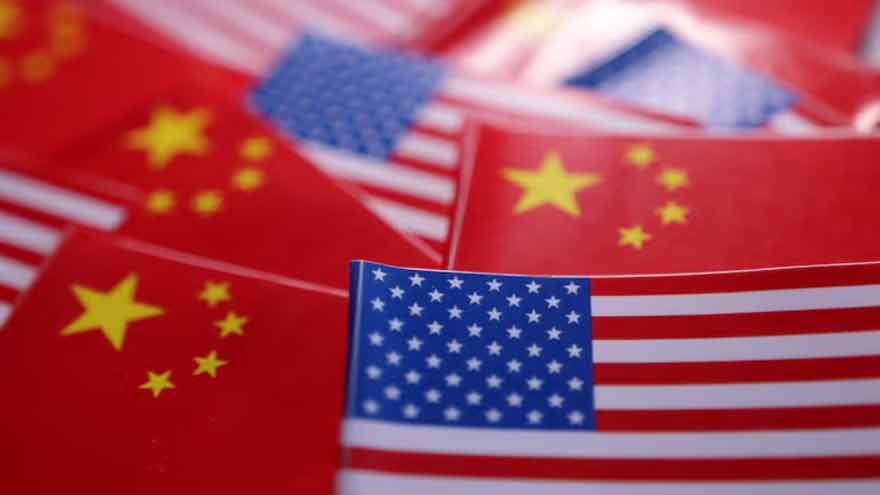
China and the United States discussed tariff cuts, agricultural trade and other issues at their first trade council meeting on Friday, China’s Commerce Ministry said on Saturday, days ahead of a leaders’ meeting in Shenzhen next week.
The Ministry of Commerce said: “The two sides had open, in-depth and constructive exchanges on issues of common concern, such as the implementation of the results of the previous China-US economic and trade consultations, including tariffs, the “US$30 billion for US$30 billion” mutually beneficial tax reduction regime, and agricultural trade.” It did not disclose whether any agreement had been reached. The Ministry of Commerce added that both sides will continue to use the council to resolve trade issues, expand cooperation and reduce outstanding issues. After a summit between President Xi Jinping and President Trump in Washington in September, the two sides proposed a $60 billion plan to cut reciprocal tariffs that would cover $17 billion worth of Chinese imports of U.S. agricultural products by 2024, but the plan has not yet been finalized.
A Reuters analysis of customs data earlier this month showed that China’s purchases of U.S. agricultural products, excluding soybeans, will hit a seven-year low this year, despite an agreement for $17 billion a year through 2028, underscoring lingering uncertainty over the deal. Beijing has repeatedly called on Washington to implement a $60 billion tariff reduction deal, saying it is a prerequisite for increased purchases of US agricultural products.
The White House said Trump will meet with Xi Jinping on Thursday on the sidelines of the Asia-Pacific Economic Cooperation Forum in Shenzhen.
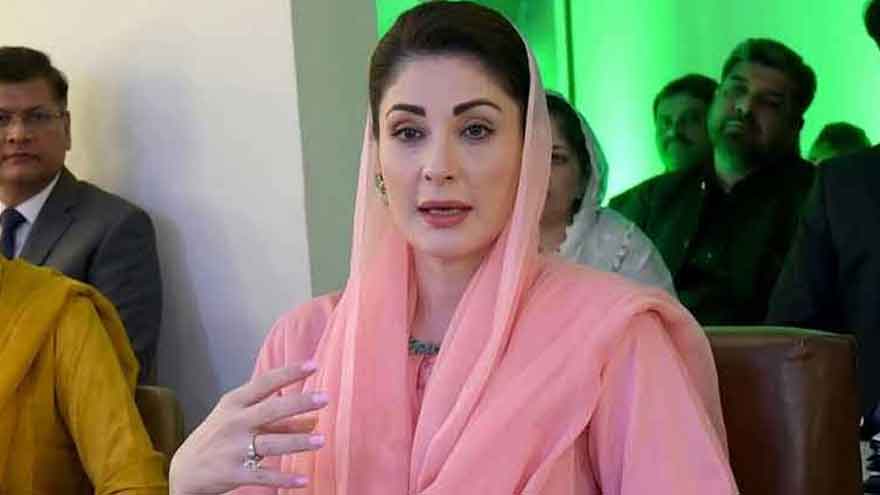
Punjab Chief Minister Maryam Nawaz Sharif has described the nearly 70 per cent decline in the overall crime rate across the province as an encouraging development.
In her message on the International Day for the Prevention of and Fight Against All Forms of Transnational Organised Crime, Maryam Nawaz said combating human trafficking, drug trafficking and illegal activities was an urgent necessity. She stressed that law enforcement agencies must play a more effective and active role in establishing a crime-free society.
She said organised crime posed a serious threat to social peace, stability and development, making joint efforts at every level essential to prevent it. The Punjab Chief Minister said that the overall crime rate has decreased by 41% in Lahore, 16% in Deragazi Khan, 52% in Bahawalpur and 32% in Sheikhupura.
According to her, crime has also decreased by 47% in Multan, 36% in Rawalpindi, 42% in Sahiwal, 67% in Gujranwala and 58% in Gujarat. Maryam Nawaz said the Regional Safe City Authority, Mobile Police Station and Digital Smart Policing initiatives in Punjab are yielding positive results.
She emphasized that cooperation and joint strategies are essential to completely dismantle criminal networks. Modern technology and intelligence sharing can play an important role in the fight against organized crime.
The Chief Minister said that upholding the rule of law, protecting the public and eradicating crime required collective efforts. It is the duty of the state to act against criminals, and without the rule of law it is impossible to create a crime-free society.
Maryam Nawaz said it is a collective responsibility to protect women and children from human trafficking and exploitation. She added that protecting young people from drugs and crime is also a government priority.
She said public awareness and education could play an effective role in preventing organized crime. Strengthening the capacity of police and law enforcement agencies is essential to ensure a safe society.
The Punjab Chief Minister also said that there is an urgent need for cooperation between international organizations and the countries concerned to fight crime. She said building a peaceful, secure and just society remains one of the government’s top priorities.

The International Monetary Fund (IMF) has reiterated its call for Pakistan to phase out its fuel subsidy program, stressing that any future government support to deal with rising oil prices must be limited, temporary and within the framework of the current fiscal year’s budget.
An IMF spokesman told Arab News that existing fuel subsidy programs should be phased out because of their broad reach. If international oil prices unexpectedly rise, any further assistance should be directed to deserving groups through established social security programs and kept within the fiscal year 2027 budget, the spokesman said.
Pakistan launched a fuel subsidy program in September to protect low-income motorists from rising oil prices amid the US-Iran war. Under the program, motorcycle and rickshaw users get weekly petrol vouchers worth Rs 500 ($1.80), while owners of vehicles with an engine capacity of up to 800 cc get a discount of Rs 100 ($0.36) per liter, subject to a limit of 10 liters every 10 days.
The IMF had also called for an immediate end to the program in a statement last month, citing its high costs and wide coverage. Pakistan is trying to transition from economic stability to growth under the International Monetary Fund’s $7 billion Enhanced Funds Program (EFF). The spokesman said that under the plan, Pakistani authorities are committed to bringing domestic oil prices in line with international oil prices, while protecting the most vulnerable sections of society. Pakistan’s Finance Minister Mohammad Aurangzeb, Finance Minister Bilal Azhar Kayani and Finance Adviser Khurram Shehzad did not respond to Arab News’ requests for comment on the IMF’s latest position.
Like several other countries, Pakistan raised oil prices after the US-Israeli war on Iran that began in February. Petrol prices hit a record high of Rs 458.41 per liter on April 3, but gradually eased to Rs 330 per liter as tensions eased in the region.
great economic pressure
A representative of the International Monetary Fund said that the current conflict in the Middle East is a major challenge for Pakistan, which depends on oil and gas imports from the Persian Gulf countries. Disruption of international shipping routes, especially in the strategically important Strait of Hormuz following Iran’s blockade, has raised concerns about economic growth in developing countries, including Pakistan.
International Monetary Fund officials said rising international oil prices have added to domestic inflationary pressures. The IMF said Pakistan’s policy priorities should focus on maintaining macroeconomic stability and implementing reforms to strengthen public finances, improve competition, increase productivity and competitiveness, and strengthen social protection and human capital.
It also emphasized the need for reforms in state-owned enterprises, improved public service delivery and greater viability of the energy sector. Last month, the IMF reached a staff-level agreement with Pakistan after talks with officials in Karachi and Islamabad. The contract must be approved by the fund’s management. Once approved, Pakistan is expected to receive approximately $1 billion from the EFF program and an additional $210 million through the Resilience and Sustainability Fund (RSF), bringing the total expenditure of the two programs to approximately $5.7 billion.
An IMF spokesman said an executive meeting to review Pakistan’s EFF and RSF review and the 2026 Article IV consultation would be held in December, subject to program requirements.

China, US discuss tariffs, farm trade ahead of Xi-Trump meeting

KP healthcare system faces acute shortage of doctors, hospital beds

Nearly 70% decline in overall Crime Rate in Punjab encouraging, Says Maryam Nawaz

ICC board meeting in India: Mohsin Naqvi gets invitation

‘Self-Reliance in Digital ID’: NADRA launches locally produced QR code-based National Identity Card

23 people have died during the monsoon as rain-related incidents plague Punjab and KP.
-
 Latest News6 months ago
ICC board meeting in India: Mohsin Naqvi gets invitation
-
 Latest News3 months ago
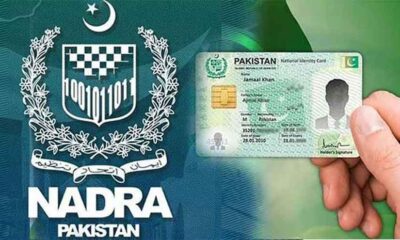
‘Self-Reliance in Digital ID’: NADRA launches locally produced QR code-based National Identity Card
-
 Latest News4 months ago
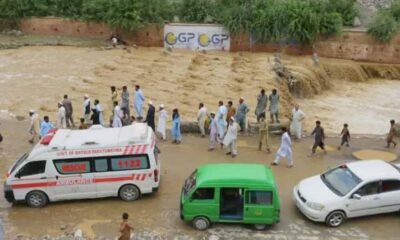
23 people have died during the monsoon as rain-related incidents plague Punjab and KP.
-
 Latest News3 months ago
Turkish FM, Dar discuss regional trends, bilateral connections
-
 Business4 months ago
Govt dedicated to resolving Balochistan issues: Dar
-
 Latest News4 months ago
Pakistan making rapid progress in robotics, AI: Shaza Fatima
-

 Entertainment6 months ago
Interim bail given to YouTuber Rajab Butt in gambling app marketing case
-
 Latest News4 months ago
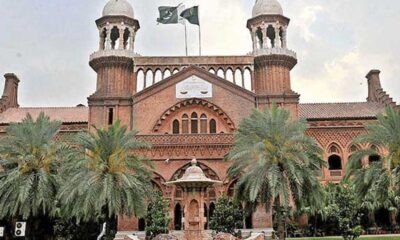
After a divorce, LHC decides that women who have been harmed by their spouses get their dower.