
Business
Pakistan, Turkmenistan discuss regional trade corridors, expansion of bilateral commerce

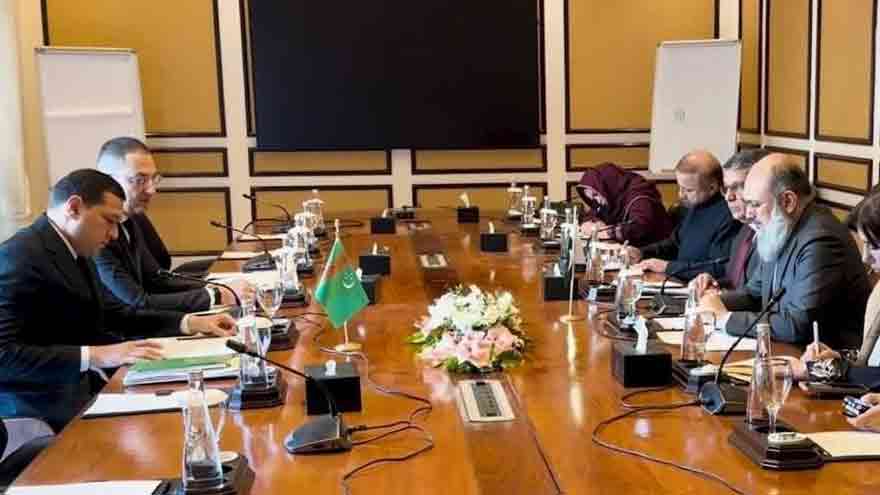
Federal Trade Minister Jam Kamal Khan held a bilateral meeting with Turkmenistan’s Trade and Foreign Economic Relations Minister Dotgul Suleymanov in Islamabad to discuss measures to expand bilateral trade, strengthen regional connectivity, improve market access and promote greater commercial cooperation between the two countries.
The meeting comes ahead of the sixth meeting of the Pakistan-Turkmenistan Joint Intergovernmental Committee scheduled for November 17 in Islamabad. Jam Kamal Khan welcomed the Minister of Turkmenistan and emphasized the importance of transforming strong bilateral relations into pragmatic business partnerships, especially in the fields of textiles, agriculture, food processing, manufacturing and logistics.
He welcomed the exchange between the business delegations of the two countries and stressed the need for continuous engagement to identify new investment opportunities and develop commercially viable trade arrangements. The federal minister highlighted the changing global economic dynamics and said rising international freight costs and disruption to traditional trade routes had increased the importance of regional economic integration. He noted that Pakistan and Turkmenistan are well-positioned to benefit from emerging trade opportunities linking South Asia, Central Asia and the Middle East.
Jam Kamal Khan proposed exploring direct flights between Islamabad and Ashgabat, along with chartered cargo services for perishable agricultural and food products. He noted that the relatively short flying distance between the two capitals could provide a significant advantage for time-sensitive exports. The Turkmen minister acknowledged the importance of improving air traffic and said the proposal could be further discussed with relevant aviation authorities at an upcoming intergovernmental committee meeting.
Discussing land connectivity, Jam Kamal Khan highlighted the growing presence of Pakistan National Logistics Corporation (NLC) in the Central Asian market, including its growing fleet to meet regional transport needs.
He emphasized the need to facilitate cross-border movement, explore alternative trade corridors and address logistical challenges affecting bilateral commerce. The discussion also covered possible alternative routes for Pakistani marble and other exports to Central Asian markets. The federal minister also emphasized the importance of easing business visas, stating that easier movement of traders and investors would promote stronger regional economic cooperation.
During the meeting, Turkmen Minister Dotgul Suleimanov emphasized the need to reverse the recent decline in bilateral trade. He revealed that in 2025, the trade volume between the two countries will exceed US$36 million, a decrease of almost 23% from 2024. In the first nine months of 2026, bilateral trade volume was approximately US$15 million, a decrease of 56% compared to the same period last year. The Turkmen minister attributed the drop mainly to a decline in textile exports and said Turkmenistan was interested in restoring traditional trade volumes while diversifying exports to Pakistan.
He suggested sharing the latest lists of export commodities, information on import requirements and strengthening coordination between relevant agencies to promote trade. The two ministers agreed to appoint a contact point for regular coordination and follow-up on trade-related issues. Joint Secretary Maria was identified as the coordinator for Pakistan and a corresponding person for coordination between the two ministries was appointed on the Turkmen side. Jam Kamal Khan briefed the Foreign Minister on Pakistan’s current five-year tariff rationalization plan and explained that the gradual reduction in tariffs will create more opportunities for international companies.
He also highlighted the Commerce Ministry’s newly launched online trade information portal, which provides information on preferential trade agreements and tariff schedules to help foreign exporters and investors. The two sides discussed strengthening direct contacts between chambers of commerce, industry associations and business communities of the two countries, as well as increasing Turkmenistan’s participation in Pakistan’s international exhibitions, especially in the food, agriculture and textile sectors.
The federal minister is optimistic that the upcoming meeting of the intergovernmental committee will help promote practical cooperation in trade promotion, transport, market access and private sector participation. The two ministers reiterated their commitment to strengthen Pakistan-Turkmenistan economic relations and work towards sustainable growth of bilateral trade through closer institutional coordination and improved regional connectivity.

Another freight train accident has occurred at Feroza Railway Station, where the locomotive and several wagons derailed.
According to railway officials, preliminary reports suggest that brake failure may have caused the accident, resulting in the locomotive and five wagons going off the tracks. However, some reports put the number of derailed wagons at three.
Train operations on the up track have been suspended following the incident. Details of the restoration and track clearance measures being undertaken by the railway administration are still awaited.
It is worth mentioning that another train derailed at the same location a few months ago, raising fresh questions about the railway administration’s performance and safety arrangements.
No casualties have been reported so far.

– The Pakistan Stock Exchange (PSX) extended its bullish momentum on Tuesday as strong buying activity boosted share prices and reflected rising investor confidence.
In early trade, the KSE-100 index rose 957.37 points to 179,140.32 points, up 0.54% from the previous close of 178,182.95 points. Trade remained positive, the index reaching the highest level of the day – 179,450.96 points and the lowest – 179,091.36 points.
A day earlier, the PSX also saw an uptrend on Monday, with the benchmark KSE-100 rising 309.07 points, or 0.17%, to 178,182.95 points, compared to 177,873.88 points in the previous session. Trading volume in the spot market was 1,339,586 million shares compared to 1,042.81 million traded shares on the previous trading day. The volume of liquid market transactions was Rs 3,258.4 billion compared to Rs 3,100.1 billion the previous day.
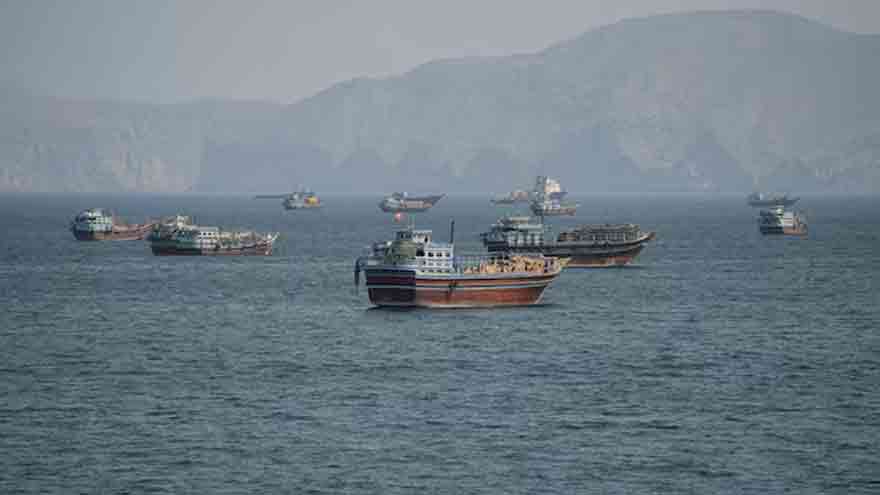
Oil prices fell on Monday on hopes of a glut as supplies to the Middle East through the Strait of Hormuz returned to near pre-war levels and the United States took steps to help move fuel goods between inland ports.
At around 1:45 a.m. Japan time, Brent crude oil futures fell 47 cents, or 0.49%, to $95.37 per barrel. US West Texas Intermediate (WTI) crude oil fell 23 cents, or 0.26%, to $88.33.
Oil prices closed lower on Friday as markets weighed signs of easing geopolitical risks from the US-Israel-Iran war, which has entered its ninth month. Last week, the indexes fell 16% and 13%, respectively.
The International Energy Agency said on Friday that the global oil market will return to surplus in the fourth quarter of this year as Middle East exports recover faster than global oil demand, despite continued attacks on ships. “For the first time since the start of the US-Iran conflict, traders are actively considering the possibility of oversupply rather than continuing shortages. This change in rhetoric clearly lowers the tone,” said Tim Waterer, chief analyst at KCM Trade. Oil supplies averaged 105 million barrels per day in the fourth quarter, exceeding forecast demand by 1.7 million barrels per day, the IEA said. The IEA had previously predicted a supply shortage in the fourth quarter. The agency also provided further details about the remaining volume from member countries’ record release of emergency stockpile crude oil pledged in March, saying 71 million barrels, including 15 million barrels of diesel, would be made available by the end of February to ease market tensions.
A U.S. decision to expand shipping laws to make it easier for foreign-flagged vessels to transport fuels such as oil, gasoline and diesel between U.S. ports also put pressure on prices. President Donald Trump has extended for 90 days the repeal of the Jones Act, which requires U.S.-flagged vessels to transport cargo between U.S. ports, a White House spokesperson announced Friday.
Repealing this rule would increase the number of tankers that can transport goods between U.S. ports. However, Waterer noted that despite tight supply, transportation charges remain high, keeping oil prices in check.
Rates remain high due to the risks tankers face when transporting crude through the Strait of Hormuz and the dwindling supply of crude oil as many ships are stuck plying the waterway to transfer cargo to other ships carrying cargo to refineries.
On Sunday night, Iran’s navy said that an oil tanker caught fire after striking a naval mine east of the Strait of Hormuz, state media reported.
Reuters could not independently verify the report.

Freight train derails at Feroza railway station, locomotive and five wagons go off track

US dollar hits 19-month peak on Fed hike bets; Aussie dips

PSX opens higher, crosses 179,000 mark amid bullish trend

ICC board meeting in India: Mohsin Naqvi gets invitation

‘Self-Reliance in Digital ID’: NADRA launches locally produced QR code-based National Identity Card

23 people have died during the monsoon as rain-related incidents plague Punjab and KP.
-
 Latest News6 months ago
ICC board meeting in India: Mohsin Naqvi gets invitation
-
 Latest News3 months ago
‘Self-Reliance in Digital ID’: NADRA launches locally produced QR code-based National Identity Card
-
 Latest News4 months ago
23 people have died during the monsoon as rain-related incidents plague Punjab and KP.
-

 Latest News3 months ago
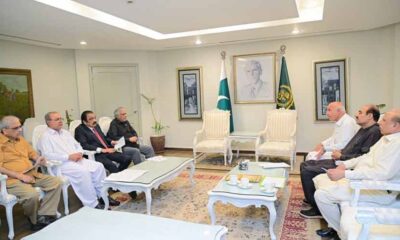
Turkish FM, Dar discuss regional trends, bilateral connections
-
 Business4 months ago
Govt dedicated to resolving Balochistan issues: Dar
-
 Latest News4 months ago
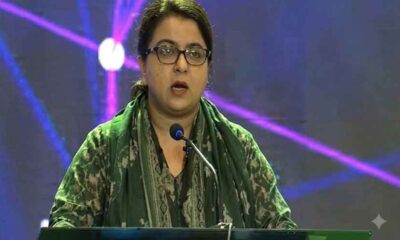
Pakistan making rapid progress in robotics, AI: Shaza Fatima
-

 Entertainment6 months ago
Interim bail given to YouTuber Rajab Butt in gambling app marketing case
-

 Latest News4 months ago
After a divorce, LHC decides that women who have been harmed by their spouses get their dower.