
Business
Pakistan to ‘launch’ medicine verification app on Nov 24 to curb counterfeit drugs


Prime Minister Shehbaz Sharif will inaugurate the Mehfooz Dawa App in Islamabad on November 24, sources said.
The application is designed to help identify and curb the circulation of counterfeit medicines by enabling consumers to verify the authenticity of pharmaceutical products through the two-dimensional (2D) barcode printed on medicine packaging.
Using the application, consumers will be able to access verified information about a medicine’s authenticity, expiry date, usage instructions and retail price by scanning the barcode on its packaging.
The sources further said, the implementation of the Track and Trace System has been made mandatory for human and veterinary pharmaceutical companies, as well as medicine manufacturers and importers across the country.
Under the regulatory requirements, pharmaceutical products manufactured from October 9 onwards must carry a unique 2D data barcode and serial number.
Read more: Punjab orders recall of five medicines over quality, safety concerns
The import and sale of medicines without the prescribed 2D barcode have also been prohibited with effect from October 9.
However, medicine batches manufactured before October 9, as well as imported pharmaceutical products brought into the country before the specified date, have been exempted from the barcode requirement.
The Drug Regulatory Authority of Pakistan (DRAP) will be responsible for overseeing and ensuring the implementation of the Medicine Track and Trace System, sources added.
The initiative is aimed at improving pharmaceutical supply chain transparency, strengthening regulatory oversight and enabling consumers to verify the authenticity of medicines through digital technology.
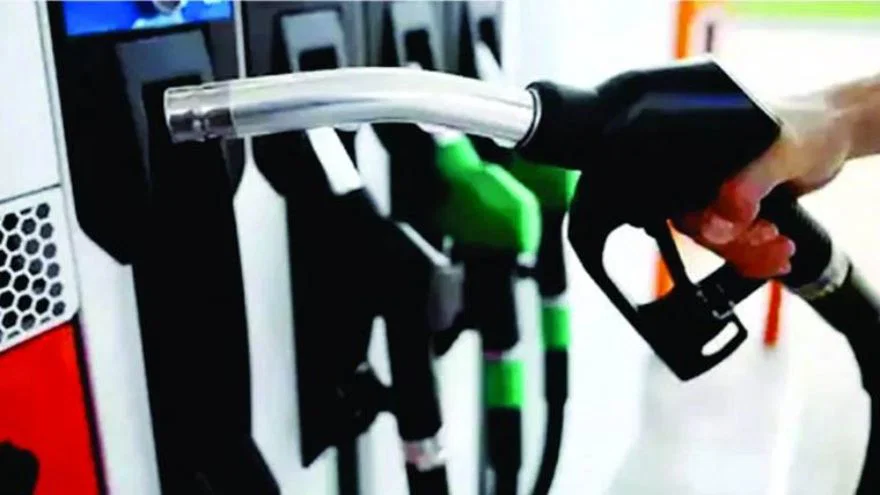
The federal government has cut petrol prices by Rs1 per liter while raising the rate of high-speed diesel (HSD) by Rs2, offering motorists a mixed fix as global oil markets remain volatile amid renewed tensions in the Middle East.
According to the revised oil prices announced on Friday, November 20, petrol will now cost Rs 322 per liter from Rs 323, while high-speed diesel has become more expensive by Rs 357 per liter from the previous rate of Rs 355. According to the announcement of the Oil and Gas Regulatory Authority (OGRA), the new prices will be valid until November 23.
The latest correction comes as Pakistan moves to a daily oil price mechanism, which allows international oil prices to be reflected more often in domestic fuel prices. The shift is designed to respond more quickly to volatility in global energy markets, especially as geopolitical developments continue to impact crude oil supply and prices.
Daily Fuel Price Review
OGRA has started publishing daily oil prices on its official website as part of the government’s efforts to increase transparency and make the domestic pricing system more sensitive to international market movements. The launch of the daily review marks the latest change in Pakistan’s fuel pricing system, which has been made several times in response to changing international market conditions.
Before the recent changes, oil prices were usually adjusted every two weeks. Following the outbreak of the Middle East conflict on February 28, the government moved to a weekly review mechanism to respond more quickly to uncertainty in global oil markets.
International oil prices have faced renewed uncertainty following escalating hostilities in the Middle East, with concerns over the security of energy supplies adding pressure to global markets.
The conflict began on February 28, when Israel and the United States attacked Iran, prompting Tehran to shut the Strait of Hormuz, a critical shipping route through which around one-fifth of the world’s energy supplies passed before the war.
The strategic waterway is particularly important for international oil and gas shipments, making any disruption a major concern for energy-importing countries, including Pakistan. Tensions continue after a fragile ceasefire between Tehran and Washington collapsed in June, reigniting fears of a wider confrontation and raising concerns about the flow of energy supplies through the strait.
For Pakistan, which is heavily dependent on imported petroleum products, fluctuations in international oil prices can directly affect the country’s import bills and domestic fuel costs.
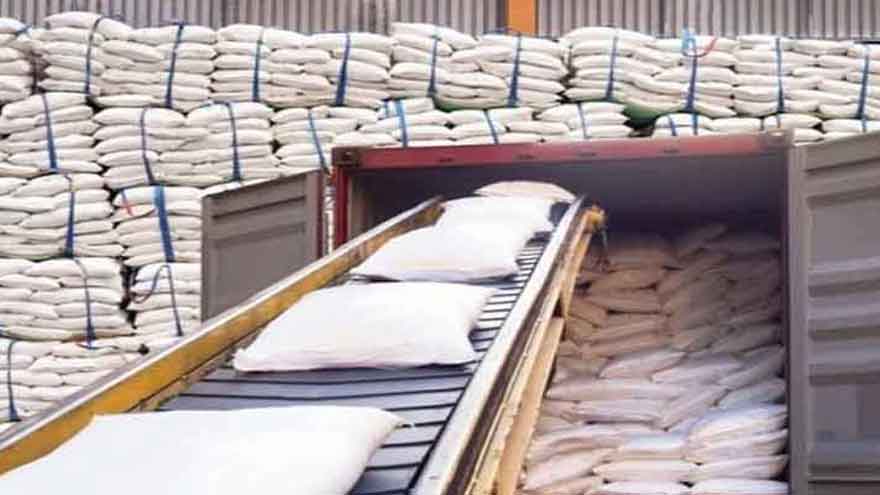
The Economic Coordination Committee (ECC) has approved the export of an additional 400,000 tons of sugar, so far the total amount approved for export reaches 600,000 tons.
According to sources in the Ministry of Finance, the government had previously authorized the export of 200,000 tons of sugar. Based on the request to export 800,000 tonnes, a further 400,000 tonnes have now been approved.
Sources said the government had allowed the export of sugar in the previous financial year as well. However, as exports increased, domestic sugar prices rose.
The government believes that the purpose of allowing the export of sugar is to protect the interests of farmers and ensure they receive an adequate price for their produce. Meanwhile, the Ministry of Finance did not mention either the decision on sugar export or the approved quantities in the official announcement.
We also tried to understand the position of ministry officials on this issue, but they refused to comment. No response had been received from them at the time of publication.
Pakistan Stock Exchange (PSX) continued its downward trend on Wednesday, with the benchmark KSE-100 index down 627.21 points or 0.35% to 176,890.52.
According to the latest market data, the index hit an intraday high of 177,719.05 points and a low of 176,596.41 points. The trading volume stood at 16.63 million shares.
The benchmark index had closed at 177,517.73 points in the previous trading session, after shedding 665.21 points, or 0.37 per cent, on Tuesday. During Tuesday’s session, the ready market recorded a trading volume of 839.224 million shares as compared to 1,339.586 million shares in the previous session.
The trading volume in the ready market stood at Rs 20.158 billion, up from Rs 32.584 billion recorded a day earlier.
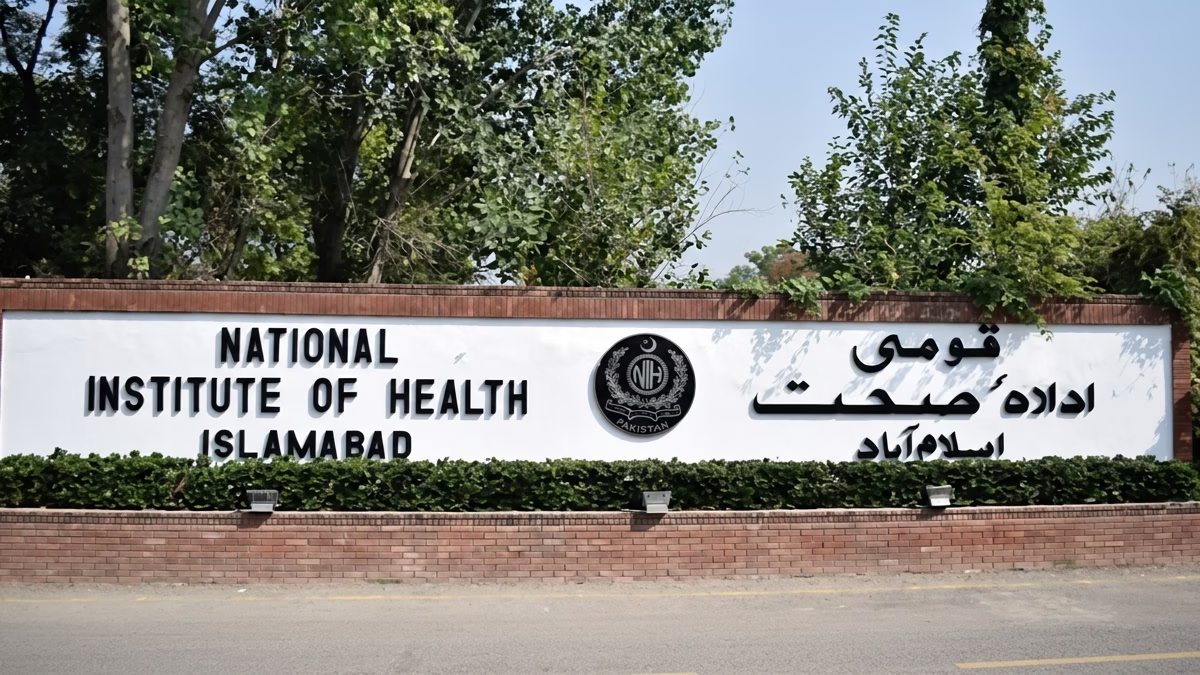
Three health advisories issued ahead of winter
Pakistan to ‘launch’ medicine verification app on Nov 24 to curb counterfeit drugs
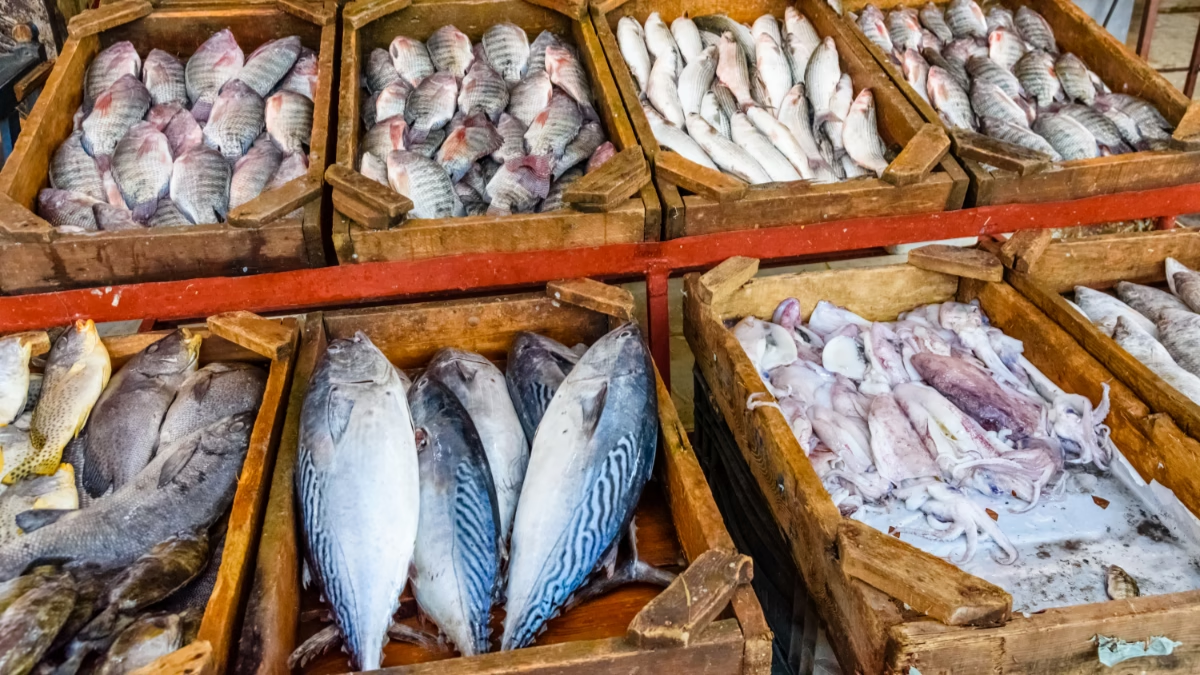
Pakistan aims to boost seafood exports

ICC board meeting in India: Mohsin Naqvi gets invitation

‘Self-Reliance in Digital ID’: NADRA launches locally produced QR code-based National Identity Card

23 people have died during the monsoon as rain-related incidents plague Punjab and KP.
-
 Latest News6 months ago
ICC board meeting in India: Mohsin Naqvi gets invitation
-
 Latest News3 months ago
‘Self-Reliance in Digital ID’: NADRA launches locally produced QR code-based National Identity Card
-
 Latest News4 months ago
23 people have died during the monsoon as rain-related incidents plague Punjab and KP.
-

 Latest News3 months ago
Turkish FM, Dar discuss regional trends, bilateral connections
-

 Business4 months ago
Govt dedicated to resolving Balochistan issues: Dar
-

 Latest News4 months ago
Pakistan making rapid progress in robotics, AI: Shaza Fatima
-

 Entertainment6 months ago
Interim bail given to YouTuber Rajab Butt in gambling app marketing case
-
 Latest News4 months ago
After a divorce, LHC decides that women who have been harmed by their spouses get their dower.