
Latest News
Is the US-Iran standoff exposing deep fault lines in US intelligence coordination?

As tensions over intelligence sharing and priorities flare, the CIA has stopped participating in some intelligence assessments by the office of the nation’s top spy, including those on the Iran war, according to people familiar with the subject.
The CIA and the Office of the Director of National Intelligence (ODNI) have been fighting for more than a year, hindering cooperation on national security assessments that presidents long have used to guide them through complex foreign challenges, said a U.S. official and three people with direct knowledge of the matter.
The sources spoke on the condition of anonymity to discuss sensitive internal concerns.
At the heart of the disagreements is a clash over a task group established in April 2025 by Tulsi Gabbard, the director of national intelligence, the sources said.
Two of the sources said Gabbard’s Director’s Initiatives Group had acted irresponsibly in bypassing standard intelligence-sharing and declassification norms, a charge the CIA under Director John Ratcliffe has made. ODNI officials said CIA has repeatedly denied the organisation access to intelligence.
The intelligence agency cooperation breakdown is happening at a hazardous moment for the Trump administration, with the US in the Iran conflict and facing national security issues from Chinese military growth to Russia’s war on Ukraine.
It also shows that the reform measures implemented after the September 11, 2001, attacks that formed a director of national intelligence to coordinate the 18 US intelligence agencies have not stopped the dysfunction.The ODNI is “supposed to be the oil in the system that keeps the arteries of the intelligence community flowing, that removes blockages,” said Beth Sanner, a former deputy director of national intelligence in President Donald Trump’s first term.When you don’t do that, then you create the chance that agencies are just going to sort of pull back into their stove pipes and you set yourself up for intelligence failures.
Last week, Gabbard announced she would leave her role as Trump’s top spy on June 30 due to her husband’s sickness. Trump on Tuesday named Bill Pulte, chief of the Federal Housing Finance Agency, as interim director of national intelligence.
“The president and policymakers continue to get the best intelligence and analysis,” said Olivia Coleman, an ODNI spokeswoman, who added that ODNI and the agencies it oversees “communicate and collaborate daily with CIA counterparts across the full spectrum of intelligence products and operations.”
“The Director’s Initiatives Group operated within the oversight authorities of ODNI and in support of the president’s executive orders,” Coleman stated.
In February, Reuters reported that Gabbard had disbanded the group and relocated its staff to other parts of her department amid congressional examination of its actions.“Under Director Ratcliffe, the CIA was quick to move out on President Trump’s priorities with a more aggressive agency taking smart risks to outmanoeuvre our adversaries and give the United States a decisive advantage,” CIA Director of Public Affairs Liz Lyons said.
“Trump’s peace through strength foreign policy is a proven strategy that keeps America safe and deters global threats,” White House spokesperson Davis Ingle said, adding that media efforts to sow divisiveness at home would not succeed.“President Trump has the utmost confidence in his entire outstanding national security team,” Ingle added.
Less collaboration on intelligence assignments
One of the most serious effects of the organisations’ mutual distrust is the CIA’s move to cut back drastically on its inputs into assessments prepared by Gabbard’s office.
The CIA has been one of the key contributors to the reports published by the National Intelligence Council (NIC), the leading US intelligence analytical body. The reports matter, especially in a combat situation.
The agency no longer routinely engages in assessments about Iran, where the U.S. military has been fighting since February, two people familiar with the matter told Reuters.
The CIA and ODNI now function largely as two different analytical enterprises, the sources added.
At one point last year, the CIA halted releasing NIC findings on the internal intelligence community distribution programme it controls, the sources said, briefly limiting the accessibility of the analytical products in reaction to friction between the two agencies.
The findings were held back for just “a few hours” due to a “processing issue” a US official said.
The inter-agency conflict began shortly after Gabbard took her role in February 2025, the four people said.
One of her initial moves was to place stricter control over creation of the Presidential Daily Brief, insiders added. The CIA had long been the principal agency in creating the brief, a highly confidential daily compendium of intelligence reports prepared for the president.
“The relationship got even more sour with the formation of the Director’s Initiatives Group to “root out” alleged politicisation of the intelligence community, the sources said.
The group also worked to declassify records about the assassination of former President John F. Kennedy, and investigated the security of election voting machines and the origins of COVID-19.
Some critics, including former intelligence officers, have accused the group of being created as a weapon to get revenge on Trump’s perceived political enemies.
“At many occasions, task force members pressed the CIA for intelligence and resources needed to finish ODNI-assigned probes but felt they did not get enough, two people familiar with the situation said.
CIA officers dismissed
In May 2025 Gabbard fired two senior CIA operatives who ran the NIC.
The ODNI ousted the two “because they created a toxic work environment, as documented in a workforce survey, and because they had a history of politicising intelligence,” said an intelligence official who spoke on condition of anonymity to discuss internal government matters.
The official did not offer any evidence for the accusations.
Then in August, Gabbard withdrew 37 current and former officials of their security clearances, inadvertently exposing the identity of an undercover CIA officer overseas.
Gabbard accused the 37 of leaking and politicising intelligence, but provided no evidence.
“The move was in part retaliation for a 2017 intelligence assessment that Russia had waged an extensive influence operation to swing the 2016 presidential vote to Trump, former officials and others said.
The CIA-ODNI tensions burst into the open last month when a CIA official assigned to the Director’s Initiatives Group told a Senate hearing the agency had barred the group’s access to intelligence on the origins of COVID-19.
That argument has led to an investigation by the intelligence community inspector general’s office, an independent watchdog at ODNI, according to two people familiar with the matter.People familiar with the situation say the CIA has ceased participation in several intelligence assessments, including those on the Iran conflict, generated by the office of the nation’s top spy amid disputes over intelligence-sharing and areas of responsibility.
The CIA and the Office of the Director of National Intelligence (ODNI) have been fighting for more than a year, hindering cooperation on national security assessments that presidents long have used to guide them through complex foreign challenges, said a U.S. official and three people with direct knowledge of the matter.
The sources spoke on the condition of anonymity to discuss sensitive internal concerns.
At the heart of the disagreements is a clash over a task group established in April 2025 by Tulsi Gabbard, the director of national intelligence, the sources said.
Two of the sources said Gabbard’s Director’s Initiatives Group had acted irresponsibly in bypassing standard intelligence-sharing and declassification norms, a charge the CIA under Director John Ratcliffe has made. ODNI officials said CIA has repeatedly denied the organisation access to intelligence.
The intelligence agency cooperation breakdown is happening at a hazardous moment for the Trump administration, with the US in the Iran conflict and facing national security issues from Chinese military growth to Russia’s war on Ukraine.
It also shows that the reform measures implemented after the September 11, 2001, attacks that formed a director of national intelligence to coordinate the 18 US intelligence agencies have not stopped the dysfunction.The ODNI is “supposed to be the oil in the system that keeps the arteries of the intelligence community flowing, that removes blockages,” said Beth Sanner, a former deputy director of national intelligence in President Donald Trump’s first term.When you don’t do that, then you create the chance that agencies are just going to sort of pull back into their stove pipes and you set yourself up for intelligence failures.
Last week, Gabbard announced she would leave her role as Trump’s top spy on June 30 due to her husband’s sickness. Trump on Tuesday named Bill Pulte, chief of the Federal Housing Finance Agency, as interim director of national intelligence.
“The president and policymakers continue to get the best intelligence and analysis,” said Olivia Coleman, an ODNI spokeswoman, who added that ODNI and the agencies it oversees “communicate and collaborate daily with CIA counterparts across the full spectrum of intelligence products and operations.”
“The Director’s Initiatives Group operated within the oversight authorities of ODNI and in support of the president’s executive orders,” Coleman stated.
In February, Reuters reported that Gabbard had disbanded the group and relocated its staff to other parts of her department amid congressional examination of its actions.“Under Director Ratcliffe, the CIA was quick to move out on President Trump’s priorities with a more aggressive agency taking smart risks to outmanoeuvre our adversaries and give the United States a decisive advantage,” CIA Director of Public Affairs Liz Lyons said.
“Trump’s peace through strength foreign policy is a proven strategy that keeps America safe and deters global threats,” White House spokesperson Davis Ingle said, adding that media efforts to sow divisiveness at home would not succeed.“President Trump has the utmost confidence in his entire outstanding national security team,” Ingle added.
Less collaboration on intelligence assignments
One of the most serious effects of the organisations’ mutual distrust is the CIA’s move to cut back drastically on its inputs into assessments prepared by Gabbard’s office.
The CIA has been one of the key contributors to the reports published by the National Intelligence Council (NIC), the leading US intelligence analytical body. The reports matter, especially in a combat situation.
The agency no longer routinely engages in assessments about Iran, where the U.S. military has been fighting since February, two people familiar with the matter told Reuters.
The CIA and ODNI now function largely as two different analytical enterprises, the sources added.
At one point last year, the CIA halted releasing NIC findings on the internal intelligence community distribution programme it controls, the sources said, briefly limiting the accessibility of the analytical products in reaction to friction between the two agencies.
The findings were held back for just “a few hours” due to a “processing issue” a US official said.
The inter-agency conflict began shortly after Gabbard took her role in February 2025, the four people said.
One of her initial moves was to place stricter control over creation of the Presidential Daily Brief, insiders added. The CIA had long been the principal agency in creating the brief, a highly confidential daily compendium of intelligence reports prepared for the president.
“The relationship got even more sour with the formation of the Director’s Initiatives Group to “root out” alleged politicisation of the intelligence community, the sources said.
The group also worked to declassify records about the assassination of former President John F. Kennedy, and investigated the security of election voting machines and the origins of COVID-19.
Some critics, including former intelligence officers, have accused the group of being created as a weapon to get revenge on Trump’s perceived political enemies.
“At many occasions, task force members pressed the CIA for intelligence and resources needed to finish ODNI-assigned probes but felt they did not get enough, two people familiar with the situation said.
CIA officers dismissed
In May 2025 Gabbard fired two senior CIA operatives who ran the NIC.
The ODNI ousted the two “because they created a toxic work environment, as documented in a workforce survey, and because they had a history of politicising intelligence,” said an intelligence official who spoke on condition of anonymity to discuss internal government matters.
The official did not offer any evidence for the accusations.
Then in August, Gabbard withdrew 37 current and former officials of their security clearances, inadvertently exposing the identity of an undercover CIA officer overseas.
Gabbard accused the 37 of leaking and politicising intelligence, but provided no evidence.
“The move was in part retaliation for a 2017 intelligence assessment that Russia had waged an extensive influence operation to swing the 2016 presidential vote to Trump, former officials and others said.
The CIA-ODNI tensions burst into the open last month when a CIA official assigned to the Director’s Initiatives Group told a Senate hearing the agency had barred the group’s access to intelligence on the origins of COVID-19.
That conflict has spurred an investigation by the intelligence community inspector general’s office, an independent watchdog at ODNI, said two people familiar with the probe.
Latest News
Trump denies reports that China-affiliated organizations assisted Iran before to the US Marines’ deaths.
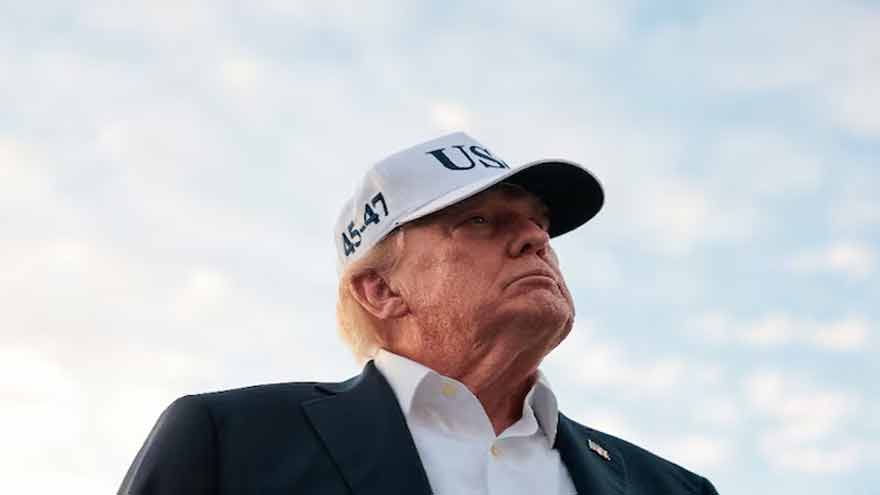
US President Donald Trump on Sunday brushed aside a report that Iran acquired satellite images of a base in Jordan from Chinese entities before an attack that killed three U.S. troops there in July.
A recent report in the Wall Street Journal cited unnamed U.S. officials about the attack in Jordan. Asked whether he would mention the issue at an upcoming meeting with Chinese President Xi Jinping, Trump did not directly answer, and instead equated the surveillance activities of China and the United States.
“They basically do what we do,” he told reporters aboard Air Force One. “When they say China spies on us, I say you’re right and we spy on them too.”
The Chinese and U.S. presidents are expected to meet in the United States on September 24, although China has yet to officially confirm that the meeting will take place.
Trump on Sunday reiterated his view that he has a good relationship with Xi.
“I think he’s behaved reasonably well, and we behave reasonably well,” Trump said as he flew back to the United States after a weekend trip to Ireland.
The Wall Street Journal report, which Reuters could not immediately verify, said the U.S. officials declined to identify the Chinese entities that supplied the imagery to Iran and did not allege direct involvement by Beijing.
Trump’s comments appeared consistent with the administration’s recent efforts to play down wide-ranging tensions between Washington and Beijing, despite U.S. frustration over Beijing’s close ties to Tehran.
Latest News
After winning the Asia Cup, the Indian women’s cricket team declines to take the trophy from Mohsin Naqvi.

When the Indian women’s cricket team refused to take the championship trophy from Asian Cricket Council (ACC) President Mohsin Naqvi during the post-match presentation ceremony on Sunday, it caused a stir at the Women’s Asia Cup final.
After defeating the reigning champions Sri Lanka, the Indian players refused to collect the trophy from the ACC president, despite Naqvi being the main guest at the championship match.
The episode is reminiscent of the Indian men’s cricket team scandal from the previous year, when the players declined to accept the trophy from Naqvi during the presentation ceremony.
On the field, however, India put on a commanding display to defeat Sri Lanka by 72 runs and win the Women’s Asia Cup for the eighth time in history.
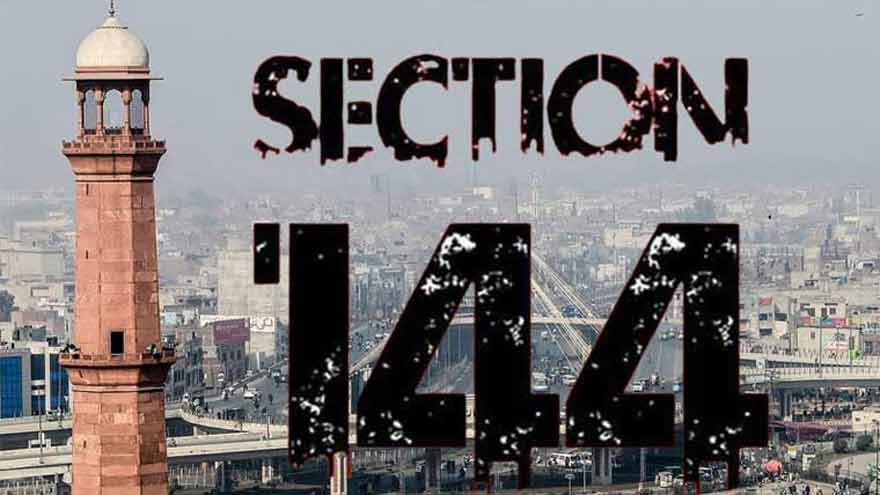
According to an official statement, the Punjab government has implemented Section 144 throughout the province from September 13 to September 17 in order to uphold law and order and guaranty the safety of people and property.
The Punjab Home Department claimed to have received extremely sensitive reports from intelligence and law enforcement agencies suggesting that terrorist groups that were prohibited were allegedly preparing attacks on demonstrations and public events.
The notification forbids meetings of five or more individuals in public areas, on public roadways, and in open spaces.
During the limitation period, demonstrations, sit-ins, public gatherings, and processions will all be prohibited.
It is also forbidden to carry or show any kind of firearm in public.

Trump denies reports that China-affiliated organizations assisted Iran before to the US Marines’ deaths.

After winning the Asia Cup, the Indian women’s cricket team declines to take the trophy from Mohsin Naqvi.

Section 144 was implemented in Punjab due to terrorist threats.

ICC board meeting in India: Mohsin Naqvi gets invitation

23 people have died during the monsoon as rain-related incidents plague Punjab and KP.

Govt dedicated to resolving Balochistan issues: Dar
-
 Latest News4 months ago
ICC board meeting in India: Mohsin Naqvi gets invitation
-
 Latest News2 months ago
23 people have died during the monsoon as rain-related incidents plague Punjab and KP.
-
 Business2 months ago
Govt dedicated to resolving Balochistan issues: Dar
-
 Latest News2 months ago
Pakistan making rapid progress in robotics, AI: Shaza Fatima
-
 Latest News4 weeks ago
‘Self-Reliance in Digital ID’: NADRA launches locally produced QR code-based National Identity Card
-

 Latest News2 months ago
After a divorce, LHC decides that women who have been harmed by their spouses get their dower.
-

 Latest News4 months ago
A meta program to monitor mouse clicks made by employees in violation of EU privacy regulations
-

 Entertainment4 months ago
Interim bail given to YouTuber Rajab Butt in gambling app marketing case