
Business
Pakistan to boost ties with China on livestock

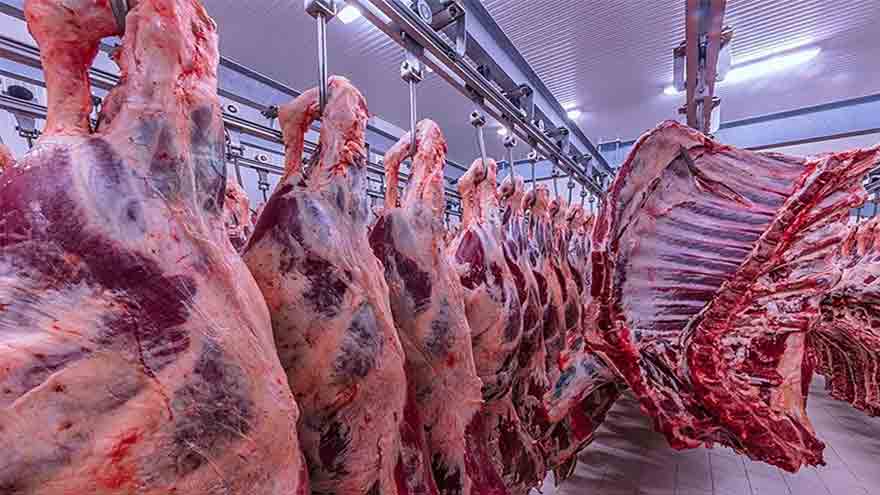
Pakistan and China have agreed to enhance cooperation in the livestock and meat export sectors, media reported on Sunday, as Islamabad seeks to deepen economic cooperation with Beijing.
Pakistan exported meat, including beef, mutton and poultry, to China, worth Rs142.3 billion ($512 million), in fiscal year 2023-24, according to Pakistan’s statistics bureau. Pakistan’s halal meat production stands at six million metric tons, of which a substantial quantity is available for export after meeting the local demand.
The understanding to enhance bilateral cooperation in livestock and meat export sectors was reached during Pakistan Food Security Minister Rana Tanveer Hussain’s meeting with a Chinese delegation, the Radio Pakistan broadcaster reported.
“Pakistan has vast livestock resources and the potential to produce high-quality halal meat,” the broadcaster said, citing Hussain.
“The participants agreed to promote the establishment of modern slaughterhouses, meat processing facilities and export infrastructure in Pakistan.”
Pakistan will also improve modern technology, cold chain systems and traceability mechanisms to enhance exports of quality halal meat to China, according to the report.
In December last year, Pakistan’s prime minister approved the halal meat export policy and directed authorities draw up a three-year action plan aimed at targeting Muslim and global markets.
The new export strategy outlines regulatory reforms, disease control measures and upgraded slaughterhouse standards that fulfill the global criteria.
In September 2025, a Karachi-based private company, The Organic Meat Company Limited (TOMCL), secured a $7.5 million order to export cooked or heat-treated frozen boneless beef to China, followed by an $8.1 million contract with Gold Crest Trading FZE for frozen boneless beef exports to the UAE for industrial and household processing.
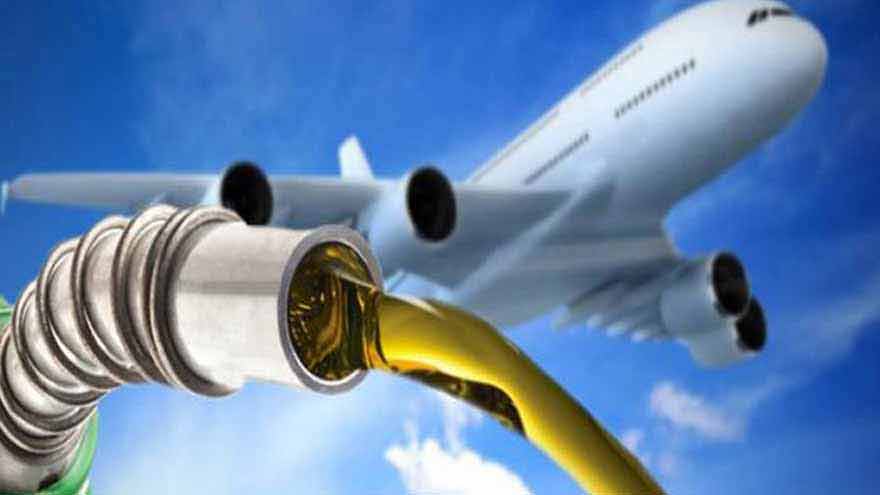
Jet fuel prices have once again increased in the country, along with the price of kerosene oil.
The price of jet fuel has been increased by Rs9.05 per litre, while kerosene oil has become Rs7.68 per litre more expensive.
Following the increase, the new price of jet fuel has been fixed at Rs355.52 per litre, while kerosene oil will now cost Rs329.54 per litre.
Meanwhile, according to a notification issued by the Petroleum Division, the price of petrol has also been increased by Rs2.10 per litre, taking its new price to Rs392.76 per litre.
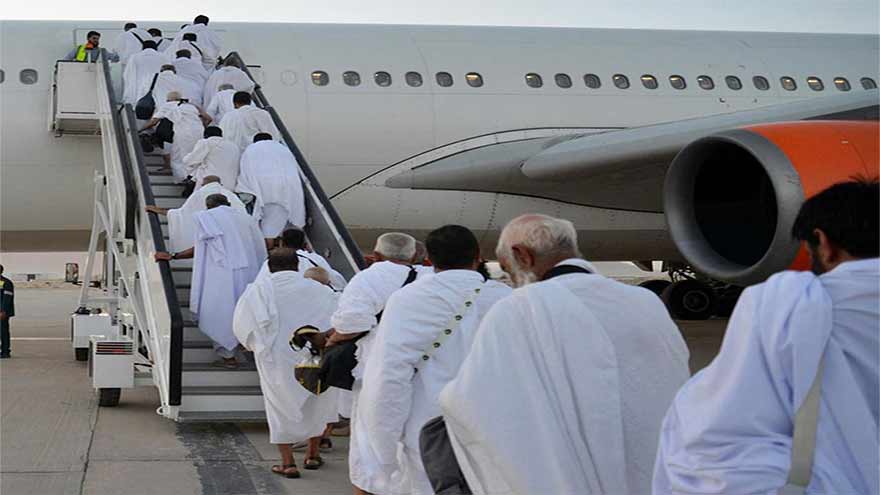
The religious affairs ministry stated late Friday that the federal government has fixed October 20 as the deadline for intending pilgrims selected under the government Hajj system to deposit the second installment of their pilgrimage dues.
ISLAMABAD: Pakistan has set aside 107,526 slots for the government plan, including 30,000 for a shorter package, and another 71,696 slots have been granted to the private scheme for next year’s Hajj.
The country on Aug. 25 completed online booking of all tickets in the government Hajj scheme, the first time the whole quota has been filled through a digital reservation system.
The ministry of religious affairs said in a statement on Friday that the applications of pilgrims for next year’s Hajj will be cancelled if they did not pay by the deadline.
“The dates for depositing the second installment of dues for Hajj pilgrims under the government scheme have been fixed from 5 October to 20 October, 2026,” the ministry said.
“If the second installment is not deposited within the deadline, then the Ministry said the pilgrim’s application will be cancelled and the amount deposited earlier will be refunded to the pilgrim’s account,” the Ministry said.
Under the government arrangement, pilgrims can pay the second payment of Hajj dues through the ‘Pak Hajj App’ or digital Hajj site within the stipulated deadline.
The government said that submitting the Hajj medical fitness certificate on the ‘Pak Hajj’ app or the digital Hajj portal was essential before depositing the second installment.
This year the government announced that pilgrims will pay Rs1.2 million ($4,334) for a 40-day Hajj package and Rs1.3 million ($4,695) for a shorter, 20- to 25-day package under the government system.
The first installment of dues for seats under the shorter government package was paid within 24 hours of the process starting on Aug 18 and the rest of the seats under the plan were booked by Aug 25.
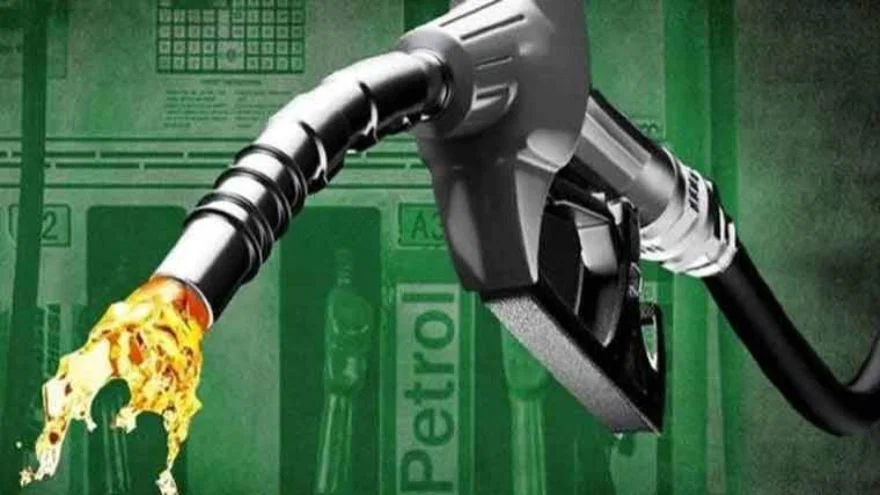
– Petrol and diesel prices have been increased once again under the latest fuel-price revision.
The revised prices will take effect from October 3, 2026.

According to a notification issued by the Petroleum Division, the price of petrol has been increased by Rs2.10 per litre. Following the latest increase, petrol will now cost Rs392.76 per litre.
The price of high-speed diesel has also been raised by 30 paisa per litre, taking its new rate to Rs399.64 per litre.
The Petroleum Division said the announced rates are linked to movements in international petrol and diesel prices.
According to the notification, changes in the global market, Platts rates, premiums and other associated costs were taken into account when determining the revised prices.

Maryam inaugurates 5 road projects under Punjab PPP Authority

Jet fuel price rises by Rs9.05 per litre in Pakistan

Govt sets deadline of 20th Oct for pilgrims to pay 2nd Hajj installment

ICC board meeting in India: Mohsin Naqvi gets invitation

23 people have died during the monsoon as rain-related incidents plague Punjab and KP.

‘Self-Reliance in Digital ID’: NADRA launches locally produced QR code-based National Identity Card
-
 Latest News5 months ago
ICC board meeting in India: Mohsin Naqvi gets invitation
-
 Latest News2 months ago
23 people have died during the monsoon as rain-related incidents plague Punjab and KP.
-
 Latest News2 months ago
‘Self-Reliance in Digital ID’: NADRA launches locally produced QR code-based National Identity Card
-
 Business3 months ago
Govt dedicated to resolving Balochistan issues: Dar
-
 Latest News2 months ago
Pakistan making rapid progress in robotics, AI: Shaza Fatima
-
 Latest News1 month ago
Turkish FM, Dar discuss regional trends, bilateral connections
-

 Entertainment5 months ago
Interim bail given to YouTuber Rajab Butt in gambling app marketing case
-
 Latest News2 months ago
After a divorce, LHC decides that women who have been harmed by their spouses get their dower.