
Latest News
‘Self-Reliance in Digital ID’: NADRA launches locally produced QR code-based National Identity Card

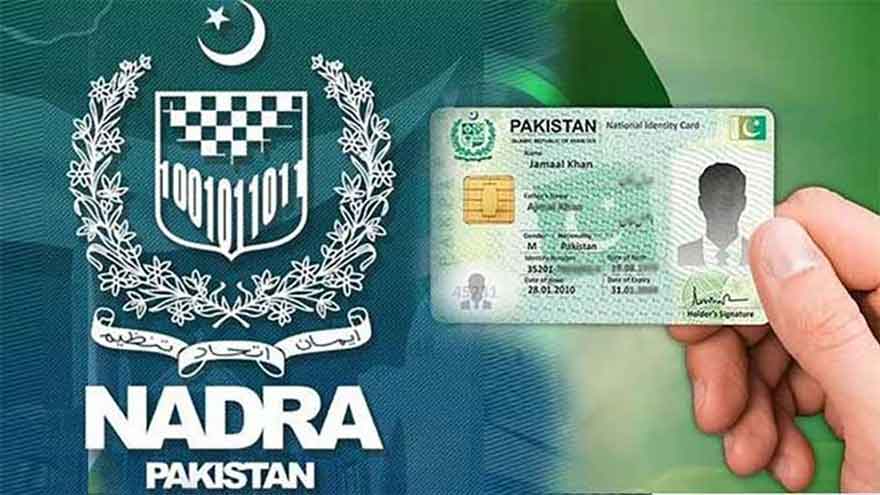
The National Database and Registration Authority (NADRA) has taken a major step toward self-reliance and accessible digital identity with the launch of a new chipless National Identity Card powered by a secure QR code.
The newly designed polycarbonate card was locally produced in Pakistan by National Security Printing Company (NSPC), Karachi according to NADRA’s technical and security criteria.
It has now replaced the imported microchip with a secure QR code, eliminating the need for foreign chip providers and simplifying the procedure of safe digital verification.
The federal government on 23 February 2026 officially approved the issuance of the new identity card.
The card contains a secure QR code that can be read and validated immediately on smartphones using the PakIdentity (PakID) mobile app instead of an implanted microchip.
The embedded QR code provides the cardholder’s basic identifying details and portrait, enabling institutions to feed biographical data into their computerised systems with minimum human input errors.
In addition to the standard family number, the new card will have unique symbols and indicators for individuals with impairments, older citizens, organ donors and residents of Azad Jammu and Kashmir.
The cardholder’s name and address are printed in both Urdu and English languages to ensure the readability of two languages during official activities.
The card’s visual and hidden security measures have been modernised to meet contemporary security needs and local manufacturing capabilities.
NADRA had introduced the chip-based Smart National Identity Card over 14 years ago but the infrastructure and hardware chip scanners were not available for wide scale use.
The QR code-based card overcomes these operational hurdles, allowing verification using ordinary smartphones or conventional software with camera capabilities.
Organisations authorised to do so, such as telecom carriers, banks, hospitals, Pakistan Railroads and law enforcement agencies, will be given special verification software that will allow them to scan and validate the cards instantaneously.
Read also: NADRA introduces self-service kiosks for public convenience
The new identity cards will be introduced in phases across the country.
The new polycarbonate card with the secure QR code will start to replace the present standard chipless Teslin material national identity cards being issued from August 14, 2026, which will be the first phase.
The QR code architecture will be extended to other sorts of identity cards including the National Identity Card for Overseas Pakistanis (NICOP) and Juvenile Cards from January 2027.
In the last phase of the transformation, the Pakistan Origin Card (POC) will also be converted to the new chipless QR code platform.
NADRA said that all the previously issued identity cards will stay valid till the marked expiry date.
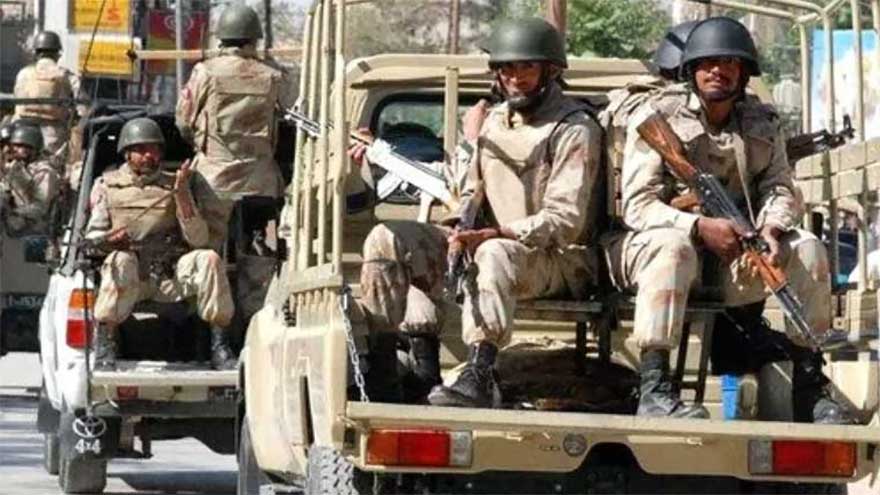
Nine Fitna Al Khawarij terrorists were killed during security operations in Bannu and Lakki Marwat.
Security forces conducted intelligence operations in Bannu based on information about the presence of Kharijit terrorists. During the operation, three terrorists were killed and one Khawarij was injured.
Security forces conducted an intelligence operation against Kharijit terrorists in Wanda Fateh Khan area of Lakki Marwat during which six Kharijits were killed. The bodies of two militants were also found after the operation.
Security forces said terrorist hideouts were effectively identified and destroyed during the operation. This operation is a continuation of efforts to establish peace and stability in the country and eliminate terrorism once and for all. Security forces added that operations will continue until all militants in the country are eliminated.

The federal government has reduced petrol and high-speed diesel (HSD) prices over the next two weeks, providing some relief to consumers as fuel costs remain high.
According to the crude oil price revision announced on November 24, petrol will be cheaper by Rs 1 per liter, reducing the price from Rs 319 to Rs 318 per liter. The price of high-speed diesel has come down by Rs 4 from Rs 357 to Rs 353 per liter.
The revised rates are based on the petroleum products pricing mechanism approved by the federal government.
The latest reduction will lower transportation and fuel expenses to some extent, particularly for motorists and businesses relying on diesel-powered vehicles.
Petrol is primarily used in private cars, motorcycles and three-wheelers, while diesel is widely consumed by heavy transport vehicles, buses, trucks, agricultural machinery and other commercial vehicles.
Changes in diesel prices have a direct bearing on freight and public transport operating costs, while petrol price adjustments affect household budgets and daily commuting expenses.
The new petroleum prices will remain applicable from November 25 under the revised pricing notification.
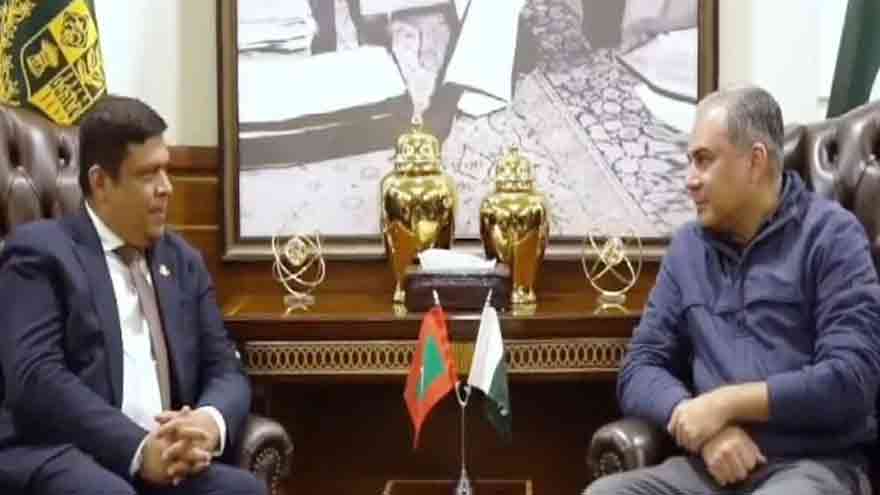
Maldives will soon launch direct flights between Pakistan and the island nation, with top Pakistani cricketers, artists and other celebrities expected to travel on the first flight, Maldives Minister of Tourism and Civil Aviation Mohamed Amin has announced.
The statement was made during a meeting between Interior Minister Mohsin Naqvi, Minister of State for Interior Talal Chaudhry and Maldives Minister, during which the two sides discussed strengthening bilateral relations and expanding cooperation in the areas of tourism, sports, health, trade and manpower. Mohamed Amin said Pakistani celebrities enjoy considerable popularity in the Maldives, adding that their visit will boost tourism and strengthen people-to-people ties between the two countries.
Speaking on the occasion, Mohsin Naqvi welcomed the proposed direct air service, saying it will make travel to the Maldives more convenient for Pakistani citizens. He noted that Pakistanis have shown great interest in tourism and expressed confidence that improved air connectivity would attract more Pakistani tourists to the island nation.
Discussing cooperation in the field of sports, the Home Minister said that the Pakistan Cricket Board (PCB) is working on a project to establish a cricket stadium in the Maldives. During the meeting, Mohammed Amin praised Islamabad’s modern infrastructure, rapid development, scenic beauty and cleanliness. He said he was impressed by the city’s natural attractions and said that Islamabad is a city with great potential to become a tourism hub. Regarding trade and economic cooperation, the Maldives Minister said that the Maldives needs human resources and would welcome skilled and other workers from Pakistan.
He also highlighted opportunities to import construction materials, medicines and other products from Pakistan, hinting at the possibility of expanding bilateral trade. The meeting was also attended by the High Commissioner of the Maldives and the Chief Commissioner of Islamabad.

Nine terrorists killed in Bannu, Lakki Marwat operations

Petrol price slashed by Rs1, diesel by Rs4 per litre

Maldives to launch direct flights to Pakistan soon, announces tourism minister

ICC board meeting in India: Mohsin Naqvi gets invitation

‘Self-Reliance in Digital ID’: NADRA launches locally produced QR code-based National Identity Card

23 people have died during the monsoon as rain-related incidents plague Punjab and KP.
-
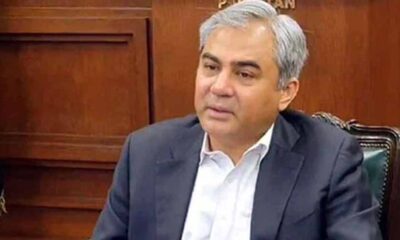 Latest News6 months ago
ICC board meeting in India: Mohsin Naqvi gets invitation
-
 Latest News4 months ago
23 people have died during the monsoon as rain-related incidents plague Punjab and KP.
-
 Latest News3 months ago
Turkish FM, Dar discuss regional trends, bilateral connections
-
 Business4 months ago
Govt dedicated to resolving Balochistan issues: Dar
-

 Latest News4 months ago
Pakistan making rapid progress in robotics, AI: Shaza Fatima
-

 Entertainment6 months ago
Interim bail given to YouTuber Rajab Butt in gambling app marketing case
-
 Latest News4 months ago
After a divorce, LHC decides that women who have been harmed by their spouses get their dower.
-

 Latest News6 months ago
A meta program to monitor mouse clicks made by employees in violation of EU privacy regulations