
Latest News
The $47 billion power expansion plan through 2035 is approved by NEPRA.

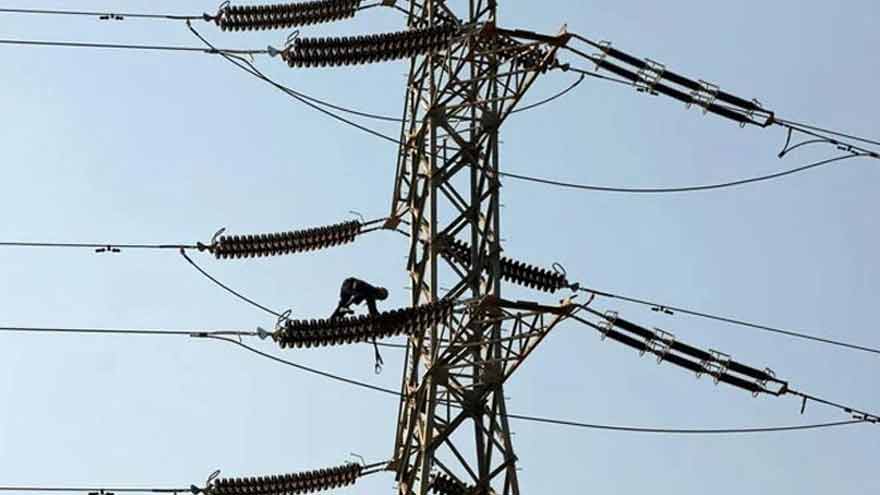
The National Electric Power Regulatory Authority (NEPRA) has approved a $47 billion power expansion plan aimed at meeting Pakistan’s electricity generation and transmission requirements through 2035, while rejecting a $900 million investment in a battery energy storage system as unnecessary.
NEPRA approved the Integrated System Plan 2025-35 submitted by the Independent System and Market Operator (ISMO). However, it rejected the proposed Battery Energy Storage System (BESS) investment, saying it had not been properly evaluated through the ISMO optimization model.
NEPRA also revealed that Pakistan’s cheapest renewable electricity had not been incorporated into national planning for more than a year despite repeated warnings by the regulator.
According to the plan, the country’s maximum electricity demand is expected to rise from 26,950 megawatts in 2025 to 35,521 megawatts in 2035. To meet this demand, a total of 26,045 megawatts of new generation capacity will be required, including 17,485 megawatts from already allocated projects and 8,560 megawatts of newly optimized proposed capacity.
During the period, 2,577 megawatts of generation capacity is estimated to be retired. The expected cost of the power generation projects is $47.13 billion, while another $10.65 billion will be required for upgrades to the transmission system.
NEPRA refused to approve the proposed battery energy storage system, stating that its cost had not been realistically incorporated and tested in ISMO’s optimization model. The regulator directed that a comprehensive technical study be conducted on the project, after which it could be reconsidered.
NEPRA also did not endorse the proposed completion of the NGC-K-Electric interconnection transmission line by 2028. According to the regulator, the proposed timeline was not realistic as construction of the line would take around five years.
The plan has been prepared by ISMO, the institution responsible for operating and managing Pakistan’s electricity system. The Integrated System Plan primarily consists of two components: construction of new power plants in the country and development of new transmission lines for electricity transmission.
NEPRA directed ISMO to address several shortcomings before preparing its next plan, including providing greater clarity in the data and resolving discrepancies in electricity tariff projections.
An important aspect of the decision was that NEPRA members were not completely unanimous, with each member recording separate notes outlining their concerns.
NEPRA member Maqsood Anwar Khan objected to the removal of several hydropower projects from the plan, including Gabrial Kalam, Madian, Kalam Asrit and Asrit Kadam projects. These projects had previously been approved and considered protected.
Maqsood Anwar Khan maintained that the projects had been quietly excluded from the plan without clear or legal justification, which could discourage investors who had invested on the basis of earlier assurances.
Various stakeholders, including planners, business organizations and provincial governments, also expressed concerns, saying Pakistan already has an additional power generation capacity of 15 to 20 gigawatts, while existing power plants are operating at only around 45% of their capacity.
The stakeholders warned that further investment could increase circular debt and capacity payments, ultimately placing the burden on electricity consumers through higher power bills.
The strongest criticism from within NEPRA came from member Amina Ahmed. In her dissenting note, she said K-Electric had secured tariffs as low as 3.09 US cents per kilowatt-hour during a renewable energy auction in late 2024, the lowest tariff achieved so far in Pakistan.
According to her, ISMO had failed to include projects with a combined capacity of around 640 megawatts in its plans for more than a year, despite NEPRA raising questions over the matter several times, including through an application in March 2026.
Amina Ahmed revealed that ISMO had used incorrect data in its model. After the data was corrected in July 2026, it was found that incorporating the cheaper electricity would reduce rather than increase the system’s cost.
She said the situation had significantly affected NEPRA’s confidence in ISMO’s optimization process.
NEPRA Chairman Waseem Mukhtar supported the final decision but highlighted a major issue, saying Pakistan was paying for more power generation capacity than required, which was causing electricity bills to remain expensive.
He said electricity demand from the national grid had already declined to around 12,000 megawatts during daytime hours as more people were using solar panels and other alternative sources instead of relying on the
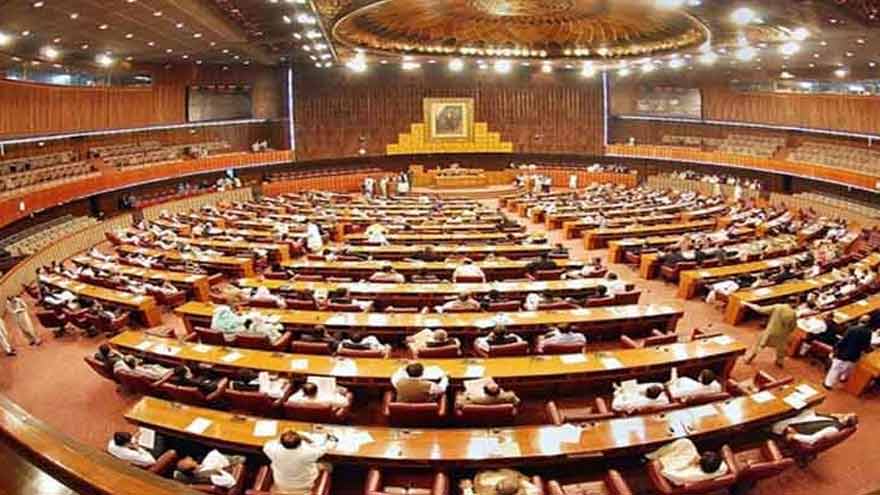
– Prime Minister Shehbaz Sharif has not yet forwarded the summary to the president for convening the National Assembly session, with the sitting now likely to be held next week.
According to parliamentary sources, the Ministry of Parliamentary Affairs had sent a summary to the prime minister seeking to convene the National Assembly session on Monday at 5pm.
Sources said a decision to reschedule the session was taken during a meeting between the president and the prime minister.
Parliamentary sources added that the National Assembly session is now expected to be summoned next week.
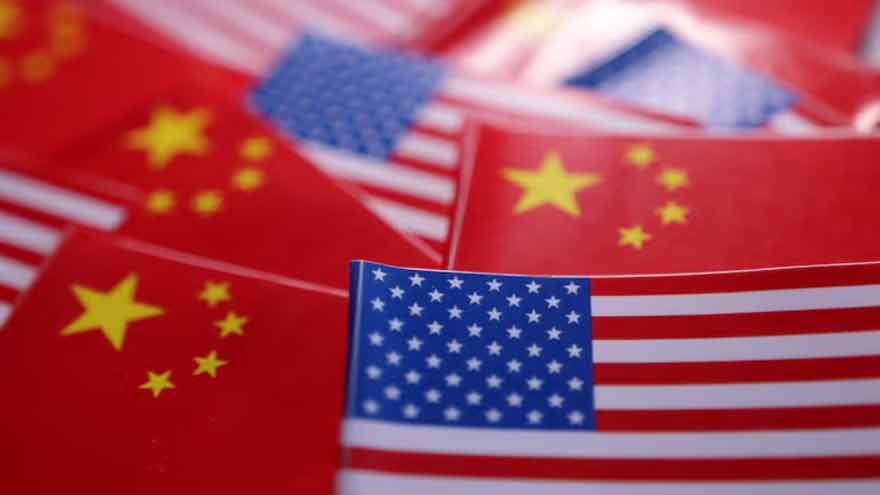
China and the United States discussed tariff cuts, agricultural trade and other issues at their first trade council meeting on Friday, China’s Commerce Ministry said on Saturday, days ahead of a leaders’ meeting in Shenzhen next week.
The Ministry of Commerce said: “The two sides had open, in-depth and constructive exchanges on issues of common concern, such as the implementation of the results of the previous China-US economic and trade consultations, including tariffs, the “US$30 billion for US$30 billion” mutually beneficial tax reduction regime, and agricultural trade.” It did not disclose whether any agreement had been reached. The Ministry of Commerce added that both sides will continue to use the council to resolve trade issues, expand cooperation and reduce outstanding issues. After a summit between President Xi Jinping and President Trump in Washington in September, the two sides proposed a $60 billion plan to cut reciprocal tariffs that would cover $17 billion worth of Chinese imports of U.S. agricultural products by 2024, but the plan has not yet been finalized.
A Reuters analysis of customs data earlier this month showed that China’s purchases of U.S. agricultural products, excluding soybeans, will hit a seven-year low this year, despite an agreement for $17 billion a year through 2028, underscoring lingering uncertainty over the deal. Beijing has repeatedly called on Washington to implement a $60 billion tariff reduction deal, saying it is a prerequisite for increased purchases of US agricultural products.
The White House said Trump will meet with Xi Jinping on Thursday on the sidelines of the Asia-Pacific Economic Cooperation Forum in Shenzhen.
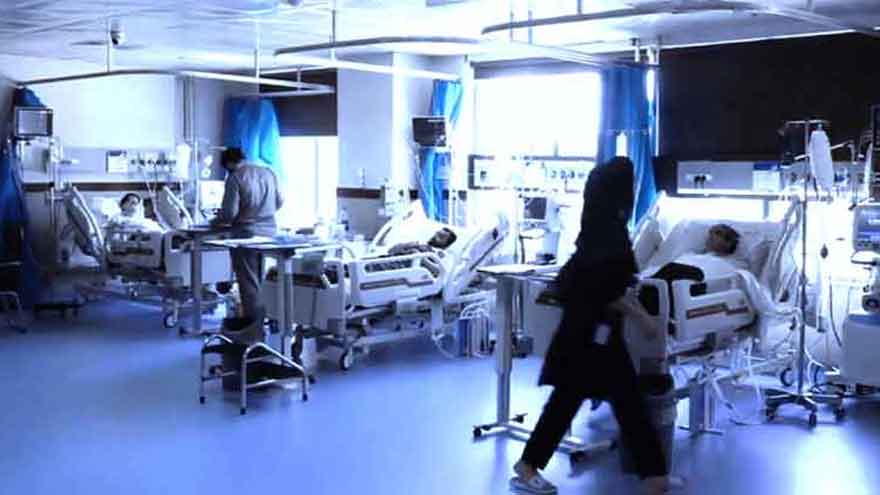
A concerning shortage of healthcare facilities and medical staff has emerged in Khyber Pakhtunkhwa, highlighting significant gaps in the province’s healthcare system.
Only 8,024 doctors are available to serve the province’s population of more than 40 million, meaning there is approximately one doctor for every 5,000 to 6,000 people. The media report that the situation of state medical facilities in the entire province is also unsatisfactory, as more than 200 different types of state medical centers are unable to function. Public hospitals are also facing a serious shortage of clinical places. The report said that the public hospitals of Khyber Pakhtunkhwa have a total of 18,432 beds and require about 64,000 beds to meet the health needs of the people of the province. This makes the bed gap about 45,568.
The report further highlights that the current number of doctors in the province is extremely low relative to its population, potentially making it difficult for patients to access medical consultations and treatment facilities.
Moreover, the closure of a large number of government healthcare centres is also hindering the provision of basic medical services to the public.
Meanwhile, Provincial Health Adviser Lieutenant General (retd) Nigar Johar said during a briefing that the provincial government had decided to introduce amendments to the Medical Teaching Institutions (MTI) Act and conduct audits of government hospitals to improve the healthcare system.
She added that shortcomings in the Sehat Card programme would be addressed and the system further improved to ensure better access to healthcare services for the public. A shortage of doctors, non-functioning health centers and insufficient hospital beds remain major problems in the province, requiring government reforms and expansion of health facilities.

NA sesssion likely to be rescheduled for next week

China, US discuss tariffs, farm trade ahead of Xi-Trump meeting

KP healthcare system faces acute shortage of doctors, hospital beds

ICC board meeting in India: Mohsin Naqvi gets invitation

‘Self-Reliance in Digital ID’: NADRA launches locally produced QR code-based National Identity Card

23 people have died during the monsoon as rain-related incidents plague Punjab and KP.
-
 Latest News6 months ago
ICC board meeting in India: Mohsin Naqvi gets invitation
-
 Latest News3 months ago
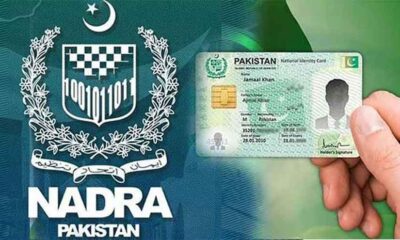
‘Self-Reliance in Digital ID’: NADRA launches locally produced QR code-based National Identity Card
-
 Latest News4 months ago
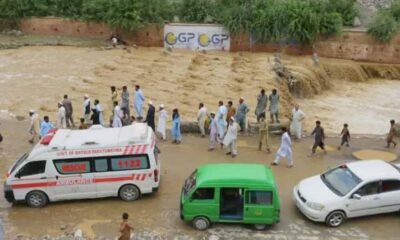
23 people have died during the monsoon as rain-related incidents plague Punjab and KP.
-
 Latest News3 months ago
Turkish FM, Dar discuss regional trends, bilateral connections
-
 Business4 months ago
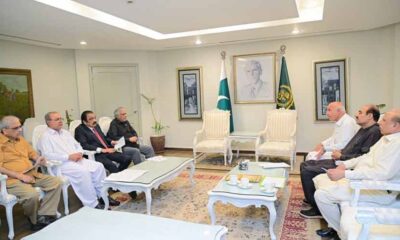
Govt dedicated to resolving Balochistan issues: Dar
-
 Latest News4 months ago
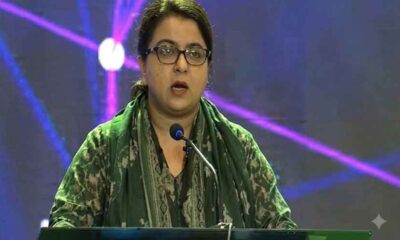
Pakistan making rapid progress in robotics, AI: Shaza Fatima
-

 Entertainment6 months ago
Interim bail given to YouTuber Rajab Butt in gambling app marketing case
-
 Latest News4 months ago
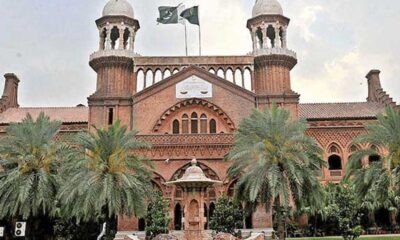
After a divorce, LHC decides that women who have been harmed by their spouses get their dower.