
Latest News
CDA seals Maulana Fazlur Rehman’s residence, son Asjad Mahmood arrested


The Islamabad government has sealed the residence of Jamiat Ulama-e-Islami (JUI-F) chairman Maulana Fazlur Rehman, while his son Asjad Mahmud has been arrested.
The Islamabad administration has given the family of Maulana Fazlur Rehman 30 minutes to vacate their residence. After the announcement, his family left the house, which was subsequently sealed off by authorities. The allotment of the house in the name of the owner, Amanulla, was also cancelled. The Islamabad government arrived at Maulana Fazlur Rehman’s residence early in the morning for the operation. The District Magistrate and his team remained outside the house while heavy police personnel were deployed at the spot. During the action, police officers continued vigilance on the way home. The street connecting the main road to the house was also blocked by police checkpoints.
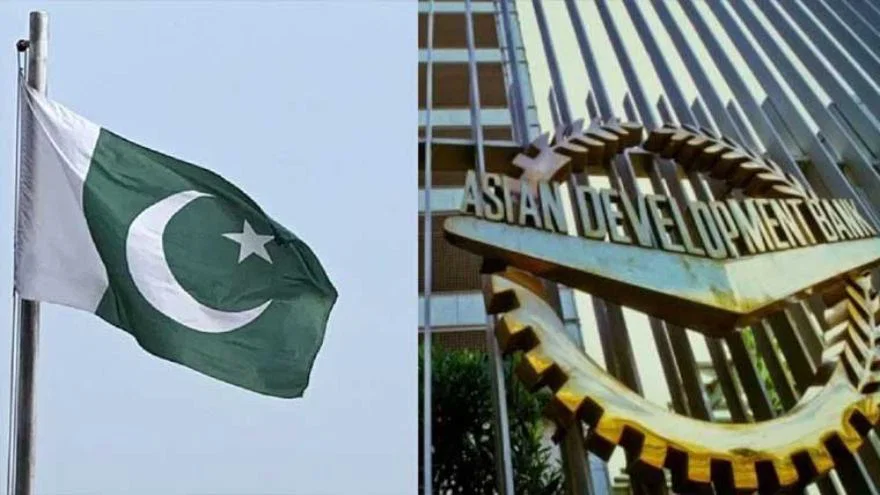
The Asian Development Bank (ADB) has approved two loans to Pakistan totaling $468 million to improve irrigation systems, strengthen water management and modernize agricultural practices in Punjab and Khyber Pakhtunkhwa provinces.
The programs are expected to benefit approximately 728,000 people in the two provinces by supporting agricultural productivity, improving food security and helping communities cope with the increasing impacts of climate change. The funding will support initiatives aimed at improving water supplies, reducing flood risks and strengthening agricultural systems, particularly in regions vulnerable to water-related challenges, according to an ADB statement.
KP irrigation
ADB has approved a $208 million concessional loan to Khyber Pakhtunkhwa to improve irrigation infrastructure in Nowshera, Swabi and Upper Chitral. The program will focus on improving irrigation facilities and strengthening water management systems to support farmers and increase agricultural productivity in the target areas.
Implement measures to increase the income of small farmers and popularize modern agricultural technologies. These initiatives are expected to help farmers improve farming practices, make more efficient use of available water resources and strengthen their livelihoods.
Women will also be included in the project’s development initiatives. The program will provide employment-related training opportunities for women and implement measures to increase their participation in water management systems.
A focus on modern farming methods and improved irrigation infrastructure is expected to support more sustainable agricultural practices while creating additional economic opportunities for rural areas. flood management in Punjab
Separately, ADB also approved a $260 million loan for the Punjab Integrated Flood Management Project, which aims to reduce the risk of flash floods in the province’s hilly areas.
The project will focus on flood prevention, which can cause sudden and damaging water flows, especially during heavy rains. The initiative will take measures to reduce flood risk and capture and conserve flood water to increase productivity. Better management of these water flows is expected to help protect vulnerable communities while providing more water. The plan also aims to strengthen the province’s capacity to manage water resources and address climate-related challenges.
Flooding in mountainous areas can cause serious damage to agricultural land, infrastructure and nearby communities. The proposed intervention aims to improve preparedness and reduce the impact of such events.
food safety
The ADB country director said the two projects will help improve food security and improve Pakistan’s ability to cope with the effects of climate change. The initiatives are expected to increase agricultural production, create new employment opportunities and ensure a more reliable water supply.
The combined funding will support the improvement of irrigation infrastructure in Khyber Pakhtunkhwa and flood water management in Punjab, addressing two critical issues affecting farming communities.

The federal government of Pakistan has reduced petrol prices in Pakistan by Rs 1 per litre, while high-speed diesel prices remain unchanged as per the latest oil price revision.
According to an official notification, petrol prices have been reduced to Rs 312 per liter while diesel will continue to be sold at Rs 346 per litre. While fuel costs for diesel users will remain unchanged, the latest changes will further reduce petrol consumers.
The reduction is expected to provide some relief to motorists, especially motorcycle owners, private car users and commuters who rely on petrol vehicles for their daily commute.
Petrol price movements are closely watched by households and businesses because they directly affect routine transportation expenses. Even small adjustments can influence monthly fuel budgets for people who regularly travel by private vehicles.
In contrast, the government has maintained the price of high-speed diesel at Rs346 per litre. Diesel is widely used by buses, trucks, freight vehicles and agricultural machinery. Therefore, its price is an important factor for transporters, farmers and companies involved in the movement of goods across the country.
Keeping diesel prices unchanged means that commercial carriers and other major diesel consumers will continue to pay existing prices at the recently revised prices.
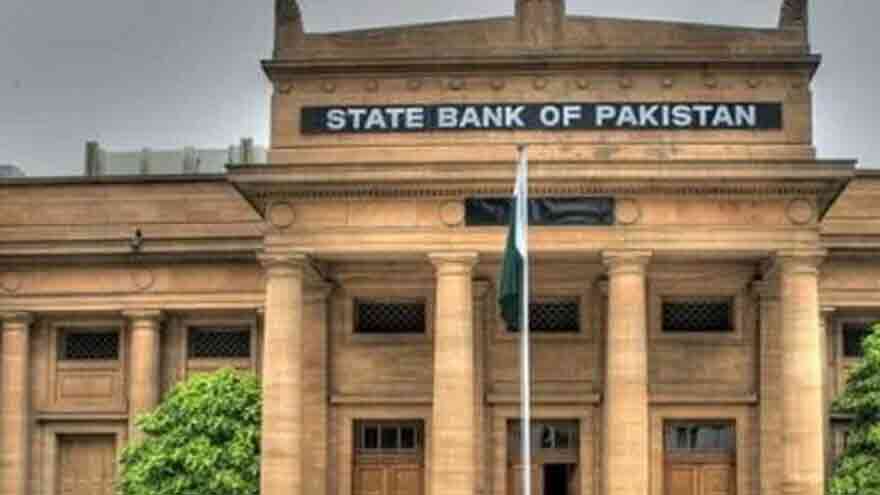
The State Bank of Pakistan (SBP) announced that it has invested Rs 651.8 billion through Reverse Repo Purchase and Shariah Compliant Mudarabah Open Market Operations (OMO) to maintain liquidity in the market.
On November 27, 2026, the central bank conducted an open market operation, reverse repo purchase (injections) for 7 and 14-day maturities and injected Rs 375.9 billion against 10 quotations, while another Rs 275.9 billion was injected through Shariah-compliant Mudarabah-based OMO. The 12.07% offer amounted to Rs 751 billion, of which SBP accepted Rs 290 billion pro rata.
In addition, SBP also received three bids with a seven-day period with a total bid of 15.9 billion rupees and a rate of return of 12.04% to 12.07%. SBP fully accepted 3 bids with a yield of 12.04%.
At the same time, SBP also conducts Shariah-compliant Mudarabah open market operations for seven and 14-day periods. The central bank received four bids for seven-day maturities of Rs 9,390 crore, with yields ranging from 12.06 to 12.07 percent. SBP fully accepted 4 bids with a yield of 12.06%.
The central bank, for the 14-day tenor, received 6 quotes offering Rs 257.8 billion at rate of return ranging between 12.06% to 12.07%.
SBP accepted an amount of Rs 182 billion against the 6 quotes at 12.06% rate of return. The total amount offered at 12.06% was Rs 255.8 billion, out of which SBP accepted Rs 180 billion on a pro rata basis.

ADB approves $468 million in loans for irrigation, flood management projects in Pakistan

Petrol price reduced by Rs1, diesel holds steady

SBP injects over Rs651 billion to maintain liquidity in the market

ICC board meeting in India: Mohsin Naqvi gets invitation

‘Self-Reliance in Digital ID’: NADRA launches locally produced QR code-based National Identity Card

23 people have died during the monsoon as rain-related incidents plague Punjab and KP.
-
 Latest News7 months ago
ICC board meeting in India: Mohsin Naqvi gets invitation
-
 Latest News3 months ago
‘Self-Reliance in Digital ID’: NADRA launches locally produced QR code-based National Identity Card
-
 Latest News4 months ago
23 people have died during the monsoon as rain-related incidents plague Punjab and KP.
-

 Latest News3 months ago
Turkish FM, Dar discuss regional trends, bilateral connections
-
 Business4 months ago
Govt dedicated to resolving Balochistan issues: Dar
-
 Latest News4 months ago
Pakistan making rapid progress in robotics, AI: Shaza Fatima
-

 Entertainment6 months ago
Interim bail given to YouTuber Rajab Butt in gambling app marketing case
-
 Latest News4 months ago
After a divorce, LHC decides that women who have been harmed by their spouses get their dower.