
Business
Petrol price reduced by Rs1, diesel holds steady

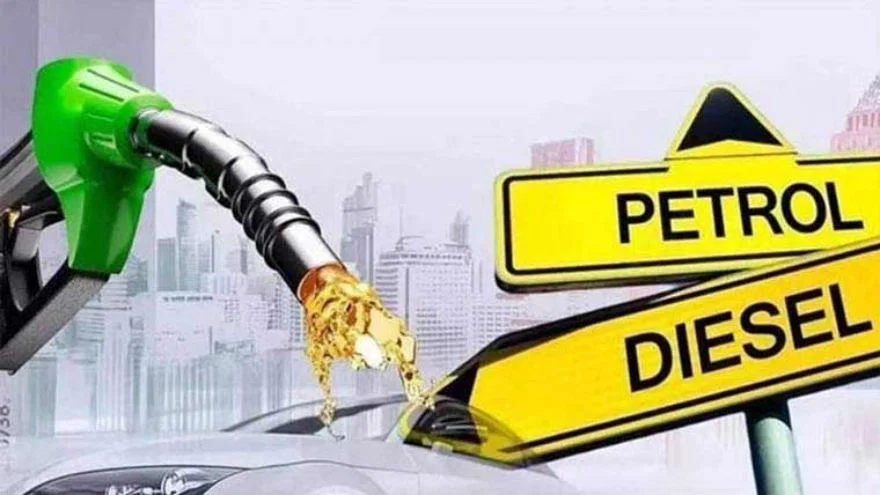
The federal government of Pakistan has reduced petrol prices in Pakistan by Rs 1 per litre, while high-speed diesel prices remain unchanged as per the latest oil price revision.
According to an official notification, petrol prices have been reduced to Rs 312 per liter while diesel will continue to be sold at Rs 346 per litre. While fuel costs for diesel users will remain unchanged, the latest changes will further reduce petrol consumers.
The reduction is expected to provide some relief to motorists, especially motorcycle owners, private car users and commuters who rely on petrol vehicles for their daily commute.
Petrol price movements are closely watched by households and businesses because they directly affect routine transportation expenses. Even small adjustments can influence monthly fuel budgets for people who regularly travel by private vehicles.
In contrast, the government has maintained the price of high-speed diesel at Rs346 per litre. Diesel is widely used by buses, trucks, freight vehicles and agricultural machinery. Therefore, its price is an important factor for transporters, farmers and companies involved in the movement of goods across the country.
Keeping diesel prices unchanged means that commercial carriers and other major diesel consumers will continue to pay existing prices at the recently revised prices.
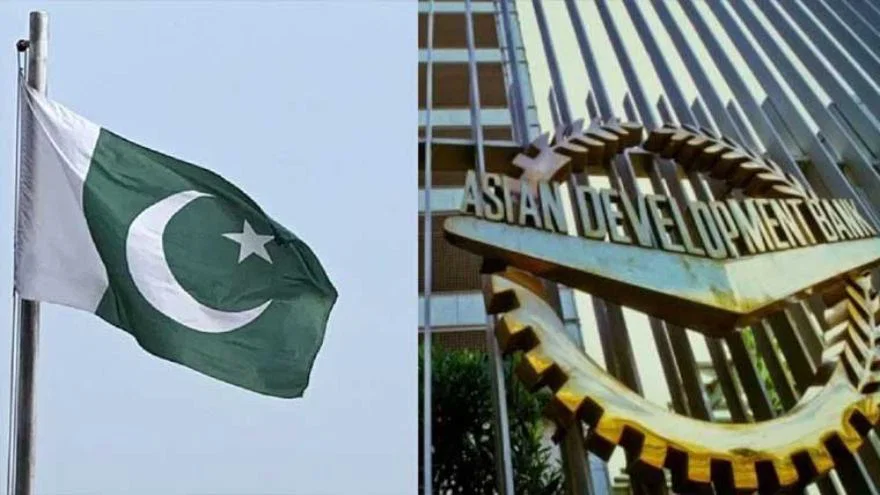
The Asian Development Bank (ADB) has approved two loans to Pakistan totaling $468 million to improve irrigation systems, strengthen water management and modernize agricultural practices in Punjab and Khyber Pakhtunkhwa provinces.
The programs are expected to benefit approximately 728,000 people in the two provinces by supporting agricultural productivity, improving food security and helping communities cope with the increasing impacts of climate change. The funding will support initiatives aimed at improving water supplies, reducing flood risks and strengthening agricultural systems, particularly in regions vulnerable to water-related challenges, according to an ADB statement.
KP irrigation
ADB has approved a $208 million concessional loan to Khyber Pakhtunkhwa to improve irrigation infrastructure in Nowshera, Swabi and Upper Chitral. The program will focus on improving irrigation facilities and strengthening water management systems to support farmers and increase agricultural productivity in the target areas.
Implement measures to increase the income of small farmers and popularize modern agricultural technologies. These initiatives are expected to help farmers improve farming practices, make more efficient use of available water resources and strengthen their livelihoods.
Women will also be included in the project’s development initiatives. The program will provide employment-related training opportunities for women and implement measures to increase their participation in water management systems.
A focus on modern farming methods and improved irrigation infrastructure is expected to support more sustainable agricultural practices while creating additional economic opportunities for rural areas. flood management in Punjab
Separately, ADB also approved a $260 million loan for the Punjab Integrated Flood Management Project, which aims to reduce the risk of flash floods in the province’s hilly areas.
The project will focus on flood prevention, which can cause sudden and damaging water flows, especially during heavy rains. The initiative will take measures to reduce flood risk and capture and conserve flood water to increase productivity. Better management of these water flows is expected to help protect vulnerable communities while providing more water. The plan also aims to strengthen the province’s capacity to manage water resources and address climate-related challenges.
Flooding in mountainous areas can cause serious damage to agricultural land, infrastructure and nearby communities. The proposed intervention aims to improve preparedness and reduce the impact of such events.
food safety
The ADB country director said the two projects will help improve food security and improve Pakistan’s ability to cope with the effects of climate change. The initiatives are expected to increase agricultural production, create new employment opportunities and ensure a more reliable water supply.
The combined funding will support the improvement of irrigation infrastructure in Khyber Pakhtunkhwa and flood water management in Punjab, addressing two critical issues affecting farming communities.
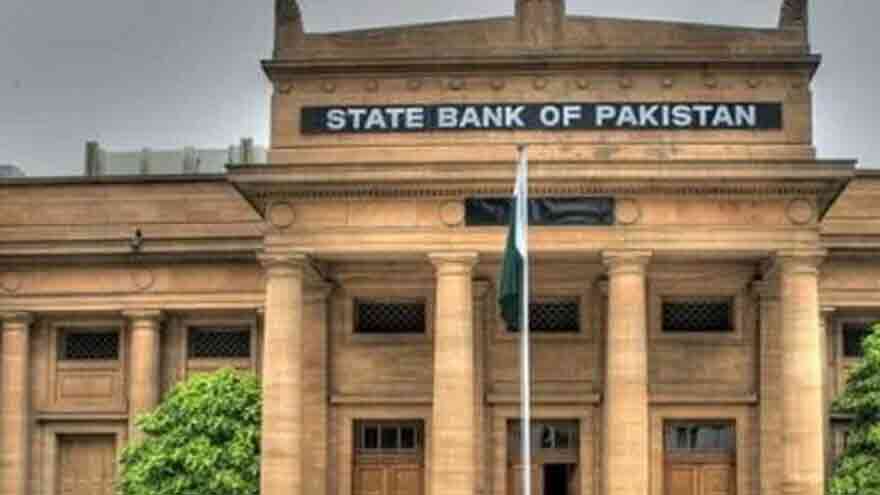
The State Bank of Pakistan (SBP) announced that it has invested Rs 651.8 billion through Reverse Repo Purchase and Shariah Compliant Mudarabah Open Market Operations (OMO) to maintain liquidity in the market.
On November 27, 2026, the central bank conducted an open market operation, reverse repo purchase (injections) for 7 and 14-day maturities and injected Rs 375.9 billion against 10 quotations, while another Rs 275.9 billion was injected through Shariah-compliant Mudarabah-based OMO. The 12.07% offer amounted to Rs 751 billion, of which SBP accepted Rs 290 billion pro rata.
In addition, SBP also received three bids with a seven-day period with a total bid of 15.9 billion rupees and a rate of return of 12.04% to 12.07%. SBP fully accepted 3 bids with a yield of 12.04%.
At the same time, SBP also conducts Shariah-compliant Mudarabah open market operations for seven and 14-day periods. The central bank received four bids for seven-day maturities of Rs 9,390 crore, with yields ranging from 12.06 to 12.07 percent. SBP fully accepted 4 bids with a yield of 12.06%.
The central bank, for the 14-day tenor, received 6 quotes offering Rs 257.8 billion at rate of return ranging between 12.06% to 12.07%.
SBP accepted an amount of Rs 182 billion against the 6 quotes at 12.06% rate of return. The total amount offered at 12.06% was Rs 255.8 billion, out of which SBP accepted Rs 180 billion on a pro rata basis.
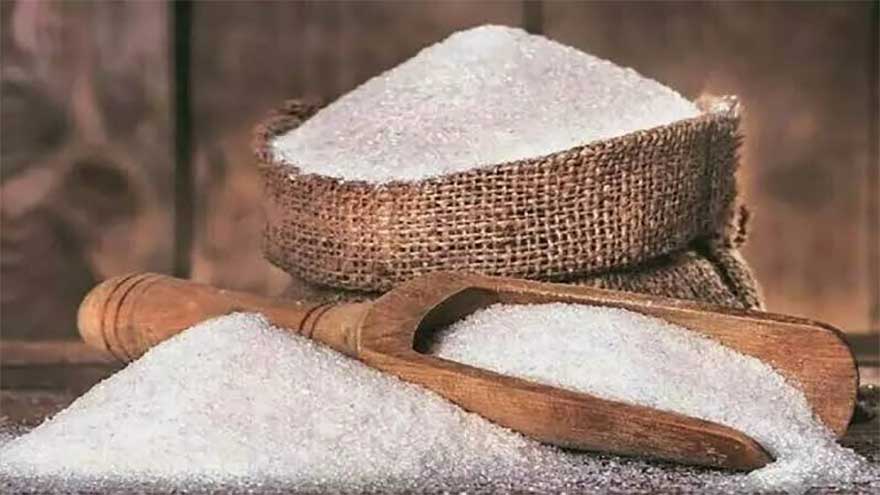
The Federal Cabinet approved a new national policy for deregulation of the sugar sector.
The outline of the policy was submitted to the Cabinet by the Ministry of Industry and Production.
The federal cabinet approved the proposals included in the summary presented through circulation on Tuesday.
The Cabinet also approved the proposals presented in paragraphs 6 and 8 of the Sugar Sector Deregulation Policy. The national policy for deregulation of the sugar sector was submitted to the Cabinet under the 1973 Business Rules.
APP further added, “All provincial governments, including Sindh and Punjab, have unanimously agreed to implement sugar deregulation policies that will pave the way for fundamental transformation of the sugar industry through market reforms, increased competition, and a more favorable business environment.” federal government
It aims to transform Pakistan’s sugar industry into a competitive, transparent and market-driven enterprise by reducing unnecessary government intervention and providing opportunities and incentives across the value chain.
The framework is designed to benefit all stakeholders, including manufacturers, millers, traders and exporters, while contributing to the broader national interest by increasing production, increasing efficiency, improving business opportunities and increasing income for industry and government. At the commercial stage, the policy introduces a predictable sugar import/export mechanism, eliminates export subsidies, and facilitates the movement of sugar between states.
These measures are aimed at creating an open and competitive business environment, improving market efficiency and allowing supply and demand to play a greater role in determining market outcomes. “Initially, sugarcane producers will be free to sell their produce to any buyer, and the price of sugarcane will be determined by market mechanisms. This will give farmers greater flexibility, encourage competition among buyers, and allow producers to make business decisions based on market opportunities.” Access to finance for sugarcane producers will also be facilitated to support agricultural activities and strengthen farmers’ financial capacity, while farm mechanization programs will help improve productivity and agricultural efficiency.
“Producers will further benefit from a more competitive sugar sector where market forces, rather than unnecessary regulatory controls, shape commercial decisions.”
At the processing stage, the policy removes restrictions on the establishment of new sugar mills and capacity approvals, while enabling mills to make production decisions in response to market conditions.
This shift is expected to encourage investment, promote efficiency and create a more competitive industrial environment. Recognizing the importance of a smooth transition, the policy also includes support measures for farmers and other stakeholders.
This includes facilitating access to finance for farmers and sugar mills and promoting agricultural mechanization programs to improve agricultural productivity. Additionally, the government will work on mandating ethanol blending and developing feedstock markets to strengthen market mechanisms, improve price discovery and create new opportunities in this sector.
The unanimous agreement of all state governments marks an important step in the reform process and demonstrates a common commitment towards creating a more efficient and sustainable sugar industry.

South Punjab’s talented daughters will compete globally, says Maryam Nawaz

US military says cyber systems secure after reports of Air Force hack

ADB approves $468 million in loans for irrigation, flood management projects in Pakistan

ICC board meeting in India: Mohsin Naqvi gets invitation

‘Self-Reliance in Digital ID’: NADRA launches locally produced QR code-based National Identity Card

23 people have died during the monsoon as rain-related incidents plague Punjab and KP.
-
 Latest News7 months ago
ICC board meeting in India: Mohsin Naqvi gets invitation
-
 Latest News3 months ago
‘Self-Reliance in Digital ID’: NADRA launches locally produced QR code-based National Identity Card
-
 Latest News4 months ago
23 people have died during the monsoon as rain-related incidents plague Punjab and KP.
-

 Latest News3 months ago
Turkish FM, Dar discuss regional trends, bilateral connections
-
 Business4 months ago
Govt dedicated to resolving Balochistan issues: Dar
-
 Latest News4 months ago
Pakistan making rapid progress in robotics, AI: Shaza Fatima
-

 Entertainment6 months ago
Interim bail given to YouTuber Rajab Butt in gambling app marketing case
-
 Latest News4 months ago
After a divorce, LHC decides that women who have been harmed by their spouses get their dower.