
Business
ADB projects Pakistan’s economic growth at 3.7pc in FY2027

The Asian Development Bank has projected Pakistan economic growth at 3.7% for the current fiscal year, below the government’s objective of 4%.
The bank is also expecting average inflation of 8.3%, higher than the official forecast of 7%, due to probable economic disruptions from the ongoing turmoil in the Middle East.
In its Asian Development projection September 2026 projection, it noted Pakistan’s gross domestic product growth was projected to stay at 3.7pc in FY2027.
“As high energy, logistics, and agricultural input costs continue to affect domestic prices, average inflation is projected to rise to 8.3pc in FY27, above the central bank’s medium-term target range of 5pc–7pc,” it continued.
The ADB warned that Pakistan’s economic outlook could come under significant pressure from external developments. A rising Middle East conflict could add to the cost of oil imports, worsen the price hikes and employment conditions in the Gulf countries, which could cut remittance inflows by Pakistani workers.
The ADB said, “The re-imposition of austerity measures by the Pakistan government, especially if expenditure restraint is more pronounced than anticipated, could also weigh on domestic demand and economic activity and pose an additional downside risk to the economic outlook.
Other possible risks to the economy cited by the ADB are a tighter global financial environment, lower-than-expected tax revenue, climate and weather shocks to agriculture, and delays in reforms related to the energy sector and state-owned enterprises.
It is crucial to keep up the momentum on structural changes to improve the country’s fiscal and external position while helping to maintain confidence among investors, the bank added.
Economic activity in Pakistan improved during FY26 which ended June 30, 2026. Growth was 3.7% compared to 3.2% a year ago. A recovery was seen in a number of areas with strong services, rising industrial production, a resurgence in agriculture and strengthening private sector investment. However, economic activity slowed down a little in the last quarter, reflecting the effect of the Middle East crisis.
Continued reforms, better foreign-exchange reserves, renewed access to global capital markets and improvements in Pakistan’s sovereign credit ratings might assist raise investor confidence and stimulate private investment, the ADB said. Meanwhile, persistently high energy costs and uncertainties in the external environment, notably the ongoing impact of the Middle East conflict, could impede the speed of economic expansion.
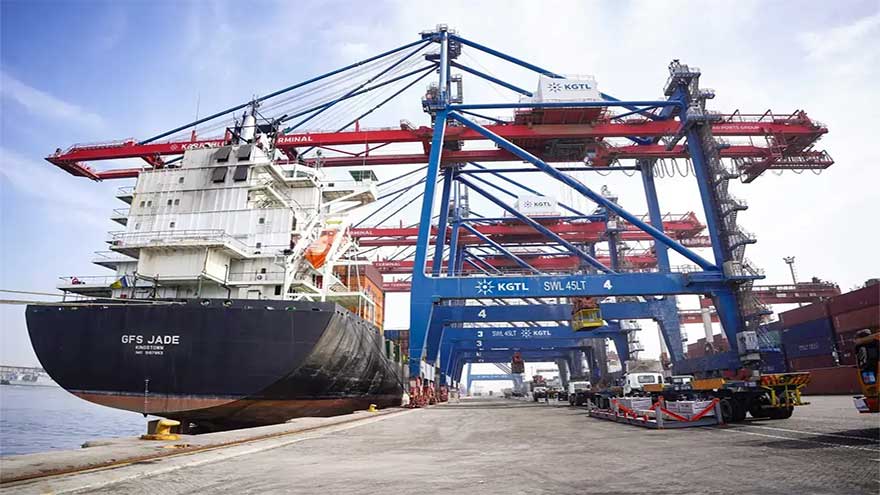
A Saudi business delegation led by Prince Mansoor bin Mohammed Al Saud has expressed interest in investing in Karachi’s port infrastructure, logistics links and green initiatives, Pakistani authorities said Monday, as Islamabad seeks to expand maritime cooperation with its longtime Gulf ally.
The visit comes amid efforts by Pakistan and Saudi Arabia to expand economic partnership from traditional trade, remittances and financial support to investment-based cooperation in infrastructure, energy and other areas. Pakistan is also seeking to modernize its ports, improve connections with land transport networks and expand transshipment operations to strengthen its position in regional trade.
Prince Mansoor, Chairman of the Saudi Arabian Chapter of the Saudi-Pakistan Joint Business Council, led a high-level corporate delegation to Karachi Port Trust (KPT), Port Qasim and South Asia Pakistan Terminals Limited, where officials were briefed on investment opportunities and ongoing modernization projects.
The briefings focused on the proposed 140-acre Maritime Business District in Karachi and the development of Manora Shipyard.
“Prince Mansour expressed keen interest in KPT’s Maritime Business District, Green port initiatives, terminal infrastructure expansion and connectivity initiatives, recognizing their scope for mutually beneficial Saudi investment and joint ventures,” the KPT said in a statement. The Saudi-Pakistan Joint Business Council serves as a platform for companies and investors from both countries to identify commercial opportunities, develop partnerships and form joint ventures. Prince Mansour has led several delegations to Pakistan as the two governments seek to translate their long-standing political and defense ties into greater private sector investment. In June, KPT signed a memorandum of understanding with its Saudi Arabian and Pakistani partners to explore the development of a maritime business zone on MT Khan Road in Karachi.
The proposed development involves the Saudi Arabian Business Council – Najd Gateway Holding Company, Arif Habib Dolmen REIT Management Limited and a consortium of Pakistani companies and is intended to accommodate commercial and maritime businesses.

The Pakistan Stock Exchange (PSX) opened in positive territory on Wednesday with the benchmark KSE-100 gaining 309 points in early trade.
The index rose to 179,600 points, continuing the upward momentum in the market at the start of the third trading day of the business week.
The latest gains follow a strong performance in the previous session, when the stock market maintained its upward trend throughout trading.
At the close of Tuesday’s session, the KSE-100 Index had surged by 5,448 points to settle at 179,335 points.
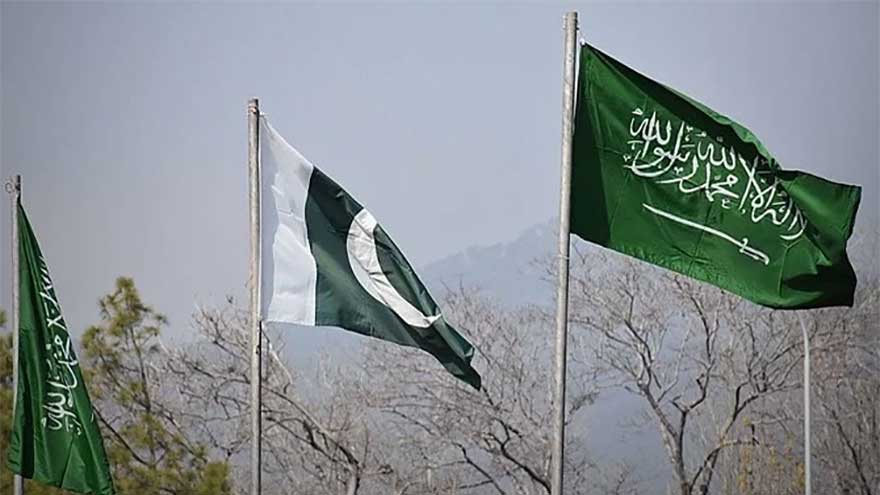
A joint council of Saudi Arabian and Pakistani investors launched a private equity fund on Monday as part of the countries’ broader push to deepen two-way trade and private sector investment.
The Saudi-Pakistan Joint Business Council, formed by the governments of both countries, said the fund’s initial size is “multi hundred million”, which is expected to expand based on opportunities across sectors.
Three-fourths of the fund will be invested in Pakistan, while the rest will be invested in Saudi Arabian projects, the council said in a statement.
The launch of the fund comes at a time when Islamabad and Riyadh are deepening longstanding ties, especially in defense, amid few signs of a breakthrough in the months-long US-Iran conflict.

PM Shehbaz, Maryam Nawaz stress early screening to combat rising diabetes cases

35-member Bangladeshi delegation visits Punjab Safe Cities Authority

77pc of Pakistanis want new provinces, survey reveals

ICC board meeting in India: Mohsin Naqvi gets invitation

‘Self-Reliance in Digital ID’: NADRA launches locally produced QR code-based National Identity Card

23 people have died during the monsoon as rain-related incidents plague Punjab and KP.
-
 Latest News6 months ago
ICC board meeting in India: Mohsin Naqvi gets invitation
-
 Latest News3 months ago
‘Self-Reliance in Digital ID’: NADRA launches locally produced QR code-based National Identity Card
-
 Latest News4 months ago
23 people have died during the monsoon as rain-related incidents plague Punjab and KP.
-

 Latest News3 months ago
Turkish FM, Dar discuss regional trends, bilateral connections
-
 Business4 months ago
Govt dedicated to resolving Balochistan issues: Dar
-

 Latest News4 months ago
Pakistan making rapid progress in robotics, AI: Shaza Fatima
-

 Entertainment6 months ago
Interim bail given to YouTuber Rajab Butt in gambling app marketing case
-
 Latest News4 months ago
After a divorce, LHC decides that women who have been harmed by their spouses get their dower.