
Latest News
Ahsan calls for integrating religious, modern education to promote research

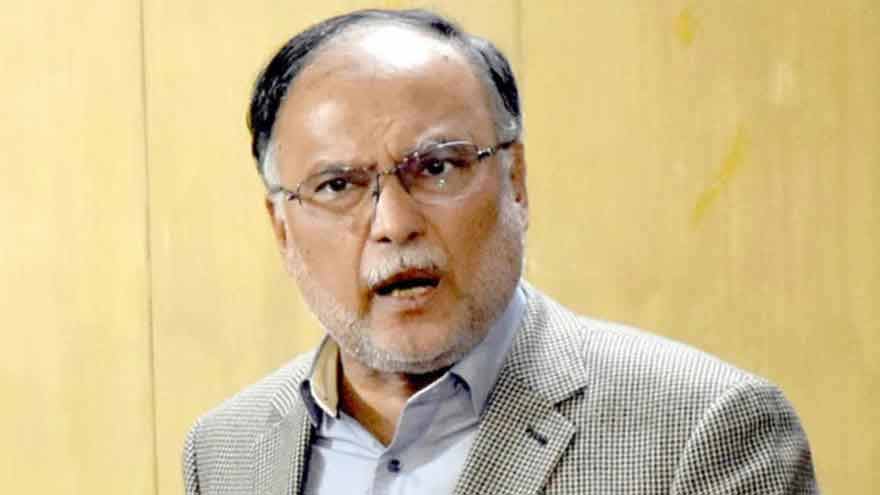
Federal Minister for Planning, Development and Special Initiatives Professor Ahsan Iqbal emphasized the need to connect religious education and modern education through an inclusive education system to promote scientific research, innovation and national development.
Addressing a national conference titled “The Role of Islamic Madaris in a Changing World: Needs, Challenges, Opportunities and Reforms” organized by the Arab Conference in Taraba, Pakistan, he said that Islam does not distinguish between religious knowledge and secular knowledge. Recalling the golden age of Muslim civilization in Spain, the minister highlighted the contribution of Muslim scholars to science, astronomy and mathematics, saying that the historical gap and colonial education policies have created a gap between religious education and modern education.
He stressed the need for an education system that combines Islamic values with modern science, research and innovation, while emphasizing the importance of mother-tongue education in fostering creativity and critical thinking. Acknowledging the role of madaris in sustaining Islamic scholarship, Ahsan Iqbal said that education should promote knowledge, ethical behavior, social responsibility and scientific research.
He added that the Quran encourages reflection, observation and research, which are essential for knowledge and the progress of the country. During the meeting, representatives of the Arab Association of Taraba highlighted the challenges facing madrassah graduates, particularly in terms of access to higher education, recognition of academic qualifications and career opportunities.
The minister assured the participants that their concerns about the requirements for the English test would be addressed by the relevant authorities.
He also highlighted the establishment of nine Seerat Chairs to address contemporary challenges, including women’s empowerment, water conservation and interfaith harmony.
Stressing the importance of national unity, he cautioned against the threats posed by misinformation, extremism and terrorism.
The minister called for constructive dialogue and educational reforms that could preserve the religious identity of Madaris while equipping their students with the knowledge and skills to contribute effectively to Pakistan’s social and economic development.
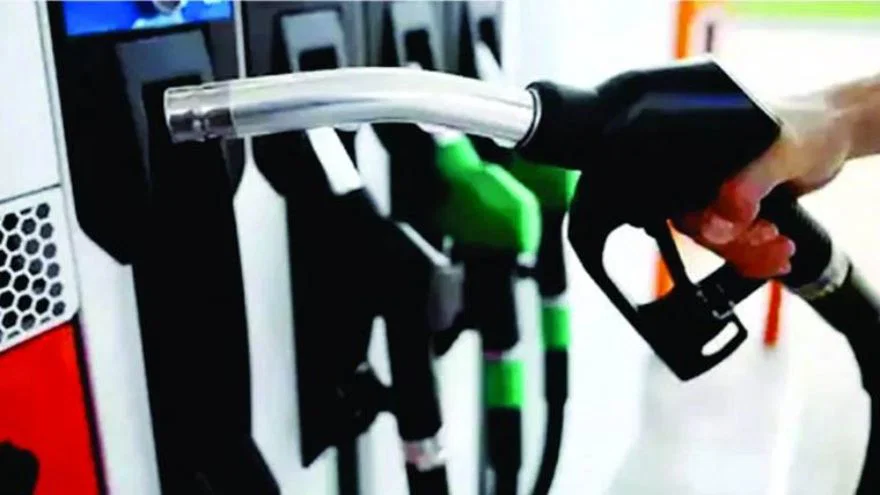
The federal government has cut petrol prices by Rs1 per liter while raising the rate of high-speed diesel (HSD) by Rs2, offering motorists a mixed fix as global oil markets remain volatile amid renewed tensions in the Middle East.
According to the revised oil prices announced on Friday, November 20, petrol will now cost Rs 322 per liter from Rs 323, while high-speed diesel has become more expensive by Rs 357 per liter from the previous rate of Rs 355. According to the announcement of the Oil and Gas Regulatory Authority (OGRA), the new prices will be valid until November 23.
The latest correction comes as Pakistan moves to a daily oil price mechanism, which allows international oil prices to be reflected more often in domestic fuel prices. The shift is designed to respond more quickly to volatility in global energy markets, especially as geopolitical developments continue to impact crude oil supply and prices.
Daily Fuel Price Review
OGRA has started publishing daily oil prices on its official website as part of the government’s efforts to increase transparency and make the domestic pricing system more sensitive to international market movements. The launch of the daily review marks the latest change in Pakistan’s fuel pricing system, which has been made several times in response to changing international market conditions.
Before the recent changes, oil prices were usually adjusted every two weeks. Following the outbreak of the Middle East conflict on February 28, the government moved to a weekly review mechanism to respond more quickly to uncertainty in global oil markets.
International oil prices have faced renewed uncertainty following escalating hostilities in the Middle East, with concerns over the security of energy supplies adding pressure to global markets.
The conflict began on February 28, when Israel and the United States attacked Iran, prompting Tehran to shut the Strait of Hormuz, a critical shipping route through which around one-fifth of the world’s energy supplies passed before the war.
The strategic waterway is particularly important for international oil and gas shipments, making any disruption a major concern for energy-importing countries, including Pakistan. Tensions continue after a fragile ceasefire between Tehran and Washington collapsed in June, reigniting fears of a wider confrontation and raising concerns about the flow of energy supplies through the strait.
For Pakistan, which is heavily dependent on imported petroleum products, fluctuations in international oil prices can directly affect the country’s import bills and domestic fuel costs.
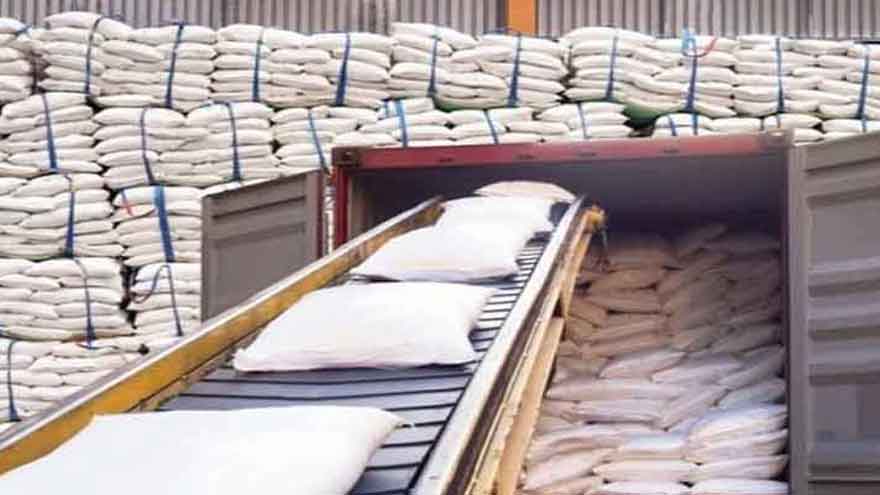
The Economic Coordination Committee (ECC) has approved the export of an additional 400,000 tons of sugar, so far the total amount approved for export reaches 600,000 tons.
According to sources in the Ministry of Finance, the government had previously authorized the export of 200,000 tons of sugar. Based on the request to export 800,000 tonnes, a further 400,000 tonnes have now been approved.
Sources said the government had allowed the export of sugar in the previous financial year as well. However, as exports increased, domestic sugar prices rose.
The government believes that the purpose of allowing the export of sugar is to protect the interests of farmers and ensure they receive an adequate price for their produce. Meanwhile, the Ministry of Finance did not mention either the decision on sugar export or the approved quantities in the official announcement.
We also tried to understand the position of ministry officials on this issue, but they refused to comment. No response had been received from them at the time of publication.
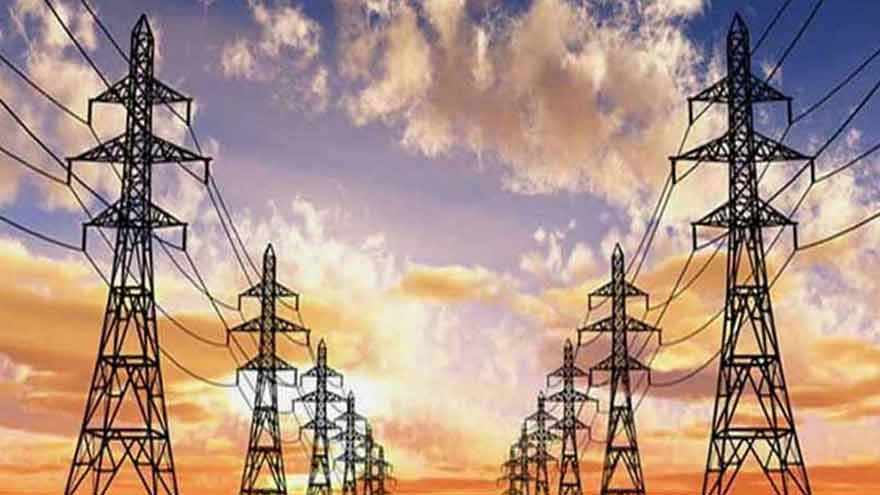
Electricity consumers across Pakistan, including Karachi, may face additional financial burden in December as quarterly and monthly electricity tariff revisions are expected to increase electricity bills by a total of Rs 4.22 per kWh, sources said.
Sources said a key meeting on power prices was held in December under the leadership of Prime Minister Shebaz Sharif, where officials presented information on power prices and the additional financial burden that may be imposed on consumers. Electricity consumers across the country are currently paying Rs 2.89 per unit of electricity based on quarterly and monthly adjustments, sources said. However, the consolidated burden is expected to increase by another Rs 1.33 per unit in December over November, bringing the total adjustment to Rs 4.22 per unit. Sources said the prime minister was briefed on the details of electricity prices as the government worked to minimize the additional financial burden on consumers.
Meanwhile, power distribution companies have submitted an application to the National Electricity Regulatory Authority (NEPRA) for a hike in electricity prices by Rs 1.34 per unit in the July-September 2026 quarter review.
The requested increase is proposed to remain applicable for the next three months. NEPRA has already conducted a hearing on the quarterly adjustment application, but its decision is still awaited. Separately, the Central Power Purchase Agency (CPPA) has sought an increase of Rs 2.88 per unit under the monthly fuel price revision for October 2026.
The proposed monthly adjustment is expected to be introduced next month, increasing the financial burden on electricity consumers across the country.

Petrol price cut by Rs1, diesel rises by Rs2 per litre

ECC approves additional 400,000 tonnes of sugar exports, taking total to 600,000 tonnes

Electricity consumers may face Rs4.22 per unit adjustment burden in December

ICC board meeting in India: Mohsin Naqvi gets invitation

‘Self-Reliance in Digital ID’: NADRA launches locally produced QR code-based National Identity Card

23 people have died during the monsoon as rain-related incidents plague Punjab and KP.
-
 Latest News6 months ago
ICC board meeting in India: Mohsin Naqvi gets invitation
-
 Latest News3 months ago
‘Self-Reliance in Digital ID’: NADRA launches locally produced QR code-based National Identity Card
-
 Latest News4 months ago
23 people have died during the monsoon as rain-related incidents plague Punjab and KP.
-
 Latest News3 months ago
Turkish FM, Dar discuss regional trends, bilateral connections
-
 Business4 months ago
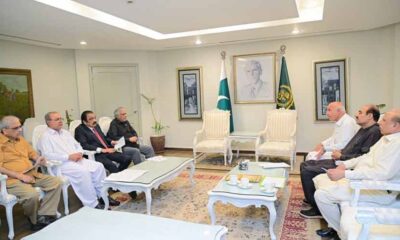
Govt dedicated to resolving Balochistan issues: Dar
-
 Latest News4 months ago
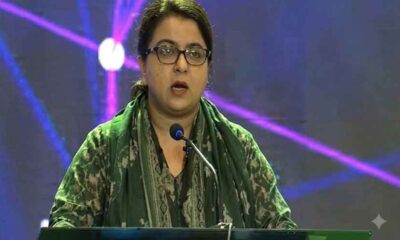
Pakistan making rapid progress in robotics, AI: Shaza Fatima
-

 Entertainment6 months ago
Interim bail given to YouTuber Rajab Butt in gambling app marketing case
-
 Latest News4 months ago
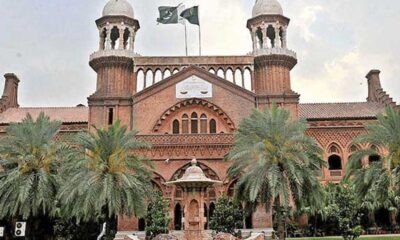
After a divorce, LHC decides that women who have been harmed by their spouses get their dower.