
Business
Cement Price in Pakistan Today 30 June 2026

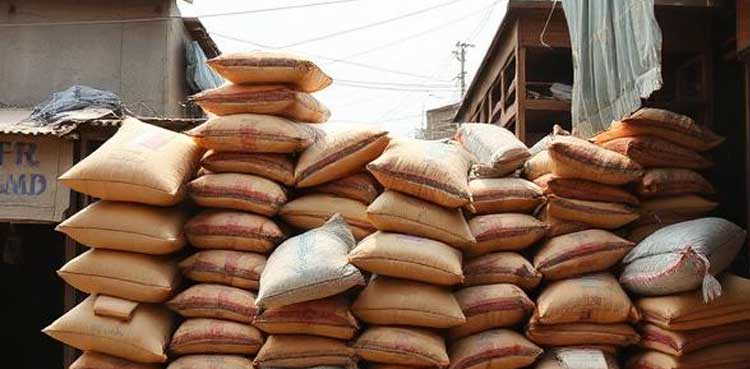
KARACHI- 30th June, 2026- In Pakistan, a 50kg bag of Ordinary Portland Cement (OPC – generally grade 53) would cost you somewhere in the vicinity of Rs. 1,505 to Rs. 1,610 depending on the brand you choose, your location in the country, the quality and any extra charges that your local dealer might be charging. The general price nationally ranges from Rs. 1,540 to Rs. 1,580, with a lot of popular brands maintaining their own in the Rs. 1,550-1,610 price point range in local marketplaces.
In the larger urban centres:
- The south (Karachi and rest of Sindh) is frequently a little cheaper, typically ranging from Rs. 1,520 to Rs. 1,570, thanks to its close proximity to cement manufacturing hubs and good transport links.
- Lahore, Islamabad and the rest of the northern markets tend to fluctuate between Rs.1,550 and Rs.1,610 due to transportation expenses and significant demand from ongoing housing, commercial and infrastructure construction projects.
The recent tensions in the Iran region have had some impact on worldwide fuel prices (and local ones too) since late February 2026 after some disruptions through the Strait of Hormuz, however recent moves towards a peace have helped reduce some of that pressure. This has led to a fall in international oil prices and some much-needed respite in fuel prices in Pakistan to be effective from end June 2026. Petrol is now at Rs. 299-300 per litre and high-speed diesel is around Rs. 311 per litre after major government subsidies. However, the prices at the pump are still higher than before the onset of conflict, affecting transport expenses for cement (primarily through diesel for transport) and energy inputs for the production of cement. The influence on bag prices has been restrained by a substantial volume of domestic output and a stable domestic supply.
Pakistan still depends on cement, for almost all construction needs, from the most modest individual houses and apartments to the largest government-led infrastructure projects, such as highways and bridges. By late June 2026, local supply remains strong, a welcome development that guarantees availability of this vital commodity. Prices reflect these underlying cost structures, with little day-to-day fluctuation.
Current Cement Prices in Pakistan (Per 50kg Bag)
Prices of a 50kg bag of regular OPC grey cement across the country range from Rs. 1,505 to Rs. 1,610. The southern markets (especially Karachi and other parts of Sindh) are more aggressive with rates of Rs. 1,520-1,570, while those in the northern towns such as Lahore and Islamabad are often in the Rs. 1,550-1,610 range. The pricing differences are due to logistics and transportation costs that are a function of the locations of the factories and local market demand.
The cost of petrol and high-speed diesel, due to the situation in Iran and post-truce adjustments, had an impact on transportation and manufacturing costs for cement in recent months, although prices are relatively stable at this late June 2026 date thanks to substantial government relief measures and balanced domestic output, allowing individuals and companies to plan their construction projects with more certainty.
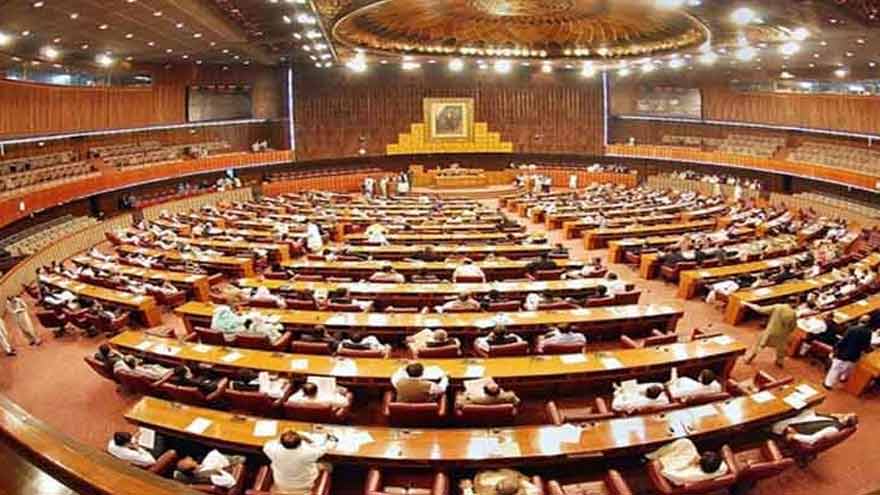
– Prime Minister Shehbaz Sharif has not yet forwarded the summary to the president for convening the National Assembly session, with the sitting now likely to be held next week.
According to parliamentary sources, the Ministry of Parliamentary Affairs had sent a summary to the prime minister seeking to convene the National Assembly session on Monday at 5pm.
Sources said a decision to reschedule the session was taken during a meeting between the president and the prime minister.
Parliamentary sources added that the National Assembly session is now expected to be summoned next week.
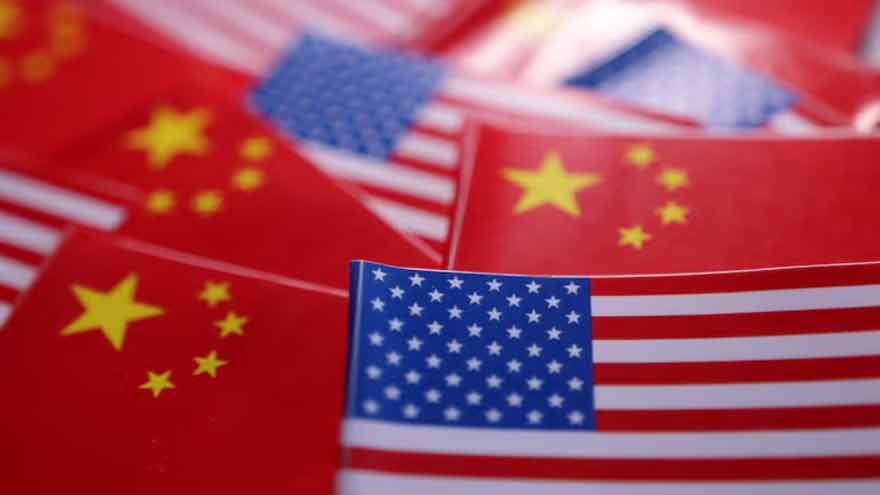
China and the United States discussed tariff cuts, agricultural trade and other issues at their first trade council meeting on Friday, China’s Commerce Ministry said on Saturday, days ahead of a leaders’ meeting in Shenzhen next week.
The Ministry of Commerce said: “The two sides had open, in-depth and constructive exchanges on issues of common concern, such as the implementation of the results of the previous China-US economic and trade consultations, including tariffs, the “US$30 billion for US$30 billion” mutually beneficial tax reduction regime, and agricultural trade.” It did not disclose whether any agreement had been reached. The Ministry of Commerce added that both sides will continue to use the council to resolve trade issues, expand cooperation and reduce outstanding issues. After a summit between President Xi Jinping and President Trump in Washington in September, the two sides proposed a $60 billion plan to cut reciprocal tariffs that would cover $17 billion worth of Chinese imports of U.S. agricultural products by 2024, but the plan has not yet been finalized.
A Reuters analysis of customs data earlier this month showed that China’s purchases of U.S. agricultural products, excluding soybeans, will hit a seven-year low this year, despite an agreement for $17 billion a year through 2028, underscoring lingering uncertainty over the deal. Beijing has repeatedly called on Washington to implement a $60 billion tariff reduction deal, saying it is a prerequisite for increased purchases of US agricultural products.
The White House said Trump will meet with Xi Jinping on Thursday on the sidelines of the Asia-Pacific Economic Cooperation Forum in Shenzhen.

The International Monetary Fund (IMF) has reiterated its call for Pakistan to phase out its fuel subsidy program, stressing that any future government support to deal with rising oil prices must be limited, temporary and within the framework of the current fiscal year’s budget.
An IMF spokesman told Arab News that existing fuel subsidy programs should be phased out because of their broad reach. If international oil prices unexpectedly rise, any further assistance should be directed to deserving groups through established social security programs and kept within the fiscal year 2027 budget, the spokesman said.
Pakistan launched a fuel subsidy program in September to protect low-income motorists from rising oil prices amid the US-Iran war. Under the program, motorcycle and rickshaw users get weekly petrol vouchers worth Rs 500 ($1.80), while owners of vehicles with an engine capacity of up to 800 cc get a discount of Rs 100 ($0.36) per liter, subject to a limit of 10 liters every 10 days.
The IMF had also called for an immediate end to the program in a statement last month, citing its high costs and wide coverage. Pakistan is trying to transition from economic stability to growth under the International Monetary Fund’s $7 billion Enhanced Funds Program (EFF). The spokesman said that under the plan, Pakistani authorities are committed to bringing domestic oil prices in line with international oil prices, while protecting the most vulnerable sections of society. Pakistan’s Finance Minister Mohammad Aurangzeb, Finance Minister Bilal Azhar Kayani and Finance Adviser Khurram Shehzad did not respond to Arab News’ requests for comment on the IMF’s latest position.
Like several other countries, Pakistan raised oil prices after the US-Israeli war on Iran that began in February. Petrol prices hit a record high of Rs 458.41 per liter on April 3, but gradually eased to Rs 330 per liter as tensions eased in the region.
great economic pressure
A representative of the International Monetary Fund said that the current conflict in the Middle East is a major challenge for Pakistan, which depends on oil and gas imports from the Persian Gulf countries. Disruption of international shipping routes, especially in the strategically important Strait of Hormuz following Iran’s blockade, has raised concerns about economic growth in developing countries, including Pakistan.
International Monetary Fund officials said rising international oil prices have added to domestic inflationary pressures. The IMF said Pakistan’s policy priorities should focus on maintaining macroeconomic stability and implementing reforms to strengthen public finances, improve competition, increase productivity and competitiveness, and strengthen social protection and human capital.
It also emphasized the need for reforms in state-owned enterprises, improved public service delivery and greater viability of the energy sector. Last month, the IMF reached a staff-level agreement with Pakistan after talks with officials in Karachi and Islamabad. The contract must be approved by the fund’s management. Once approved, Pakistan is expected to receive approximately $1 billion from the EFF program and an additional $210 million through the Resilience and Sustainability Fund (RSF), bringing the total expenditure of the two programs to approximately $5.7 billion.
An IMF spokesman said an executive meeting to review Pakistan’s EFF and RSF review and the 2026 Article IV consultation would be held in December, subject to program requirements.

NA sesssion likely to be rescheduled for next week

China, US discuss tariffs, farm trade ahead of Xi-Trump meeting

KP healthcare system faces acute shortage of doctors, hospital beds

ICC board meeting in India: Mohsin Naqvi gets invitation

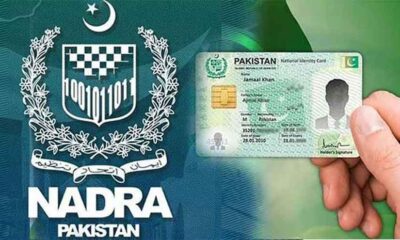
‘Self-Reliance in Digital ID’: NADRA launches locally produced QR code-based National Identity Card

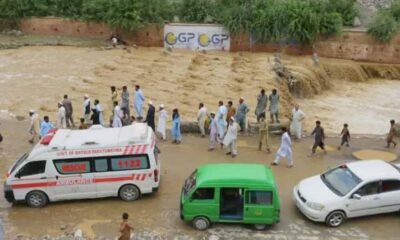
23 people have died during the monsoon as rain-related incidents plague Punjab and KP.
-
 Latest News6 months ago
ICC board meeting in India: Mohsin Naqvi gets invitation
-
 Latest News3 months ago
‘Self-Reliance in Digital ID’: NADRA launches locally produced QR code-based National Identity Card
-
 Latest News4 months ago
23 people have died during the monsoon as rain-related incidents plague Punjab and KP.
-
 Latest News3 months ago
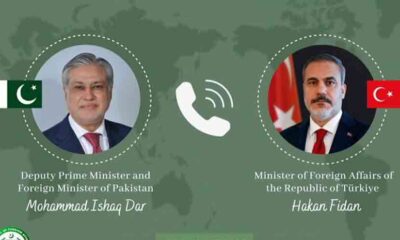
Turkish FM, Dar discuss regional trends, bilateral connections
-
 Business4 months ago
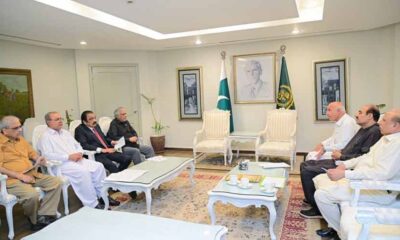
Govt dedicated to resolving Balochistan issues: Dar
-
 Latest News4 months ago
Pakistan making rapid progress in robotics, AI: Shaza Fatima
-

 Entertainment6 months ago
Interim bail given to YouTuber Rajab Butt in gambling app marketing case
-
 Latest News4 months ago
After a divorce, LHC decides that women who have been harmed by their spouses get their dower.