
Latest News
Lahore remains world’s most polluted city as AQI crosses 500

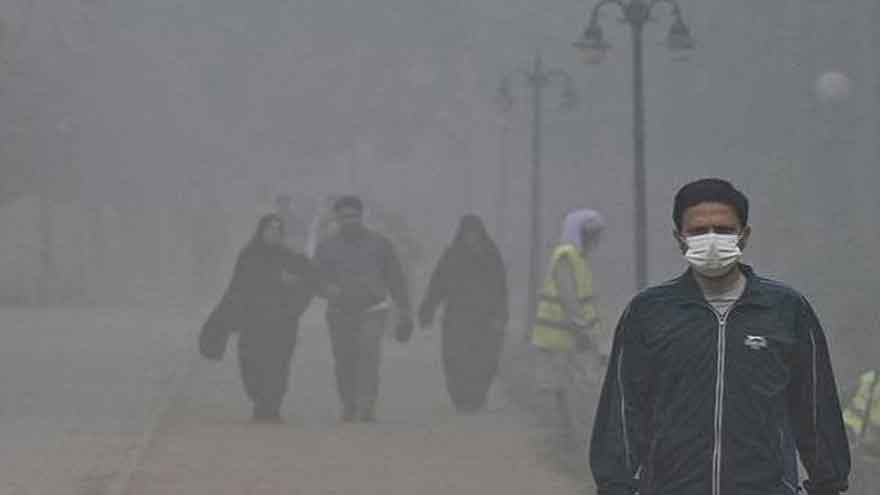
– Air pollution has intensified across Punjab, with Lahore’s air quality deteriorating to extremely hazardous levels as the city’s overall Air Quality Index (AQI) has crossed 500.
The provincial capital continues to rank first among the world’s most polluted cities, with several localities recording alarmingly high pollution levels.
In Gulberg II, the AQI reached an alarming 920, while Allama Iqbal Town recorded an AQI of 700. The index stood at 275 in Askari 10.
Air pollution levels also remained dangerously high in other cities across Punjab. Bahawalpur recorded an AQI of 525, Gujranwala 435 and Faisalabad 415 particulate matter. Sargodha registered an AQI of 404, while Multan recorded 274 particulate matter.
According to the Meteorological Department, there is no possibility of rainfall over the next few days. The absence of rain and strong winds has reduced the chances of any improvement in air quality.
Dry weather and low wind speeds are likely to keep the smog situation unchanged in Lahore and several other cities across the province.
Meanwhile, the National Institute of Health (NIH) has issued an alert over a possible increase in infectious diseases, warning of a rise in seasonal flu, respiratory illnesses and heart-related diseases.
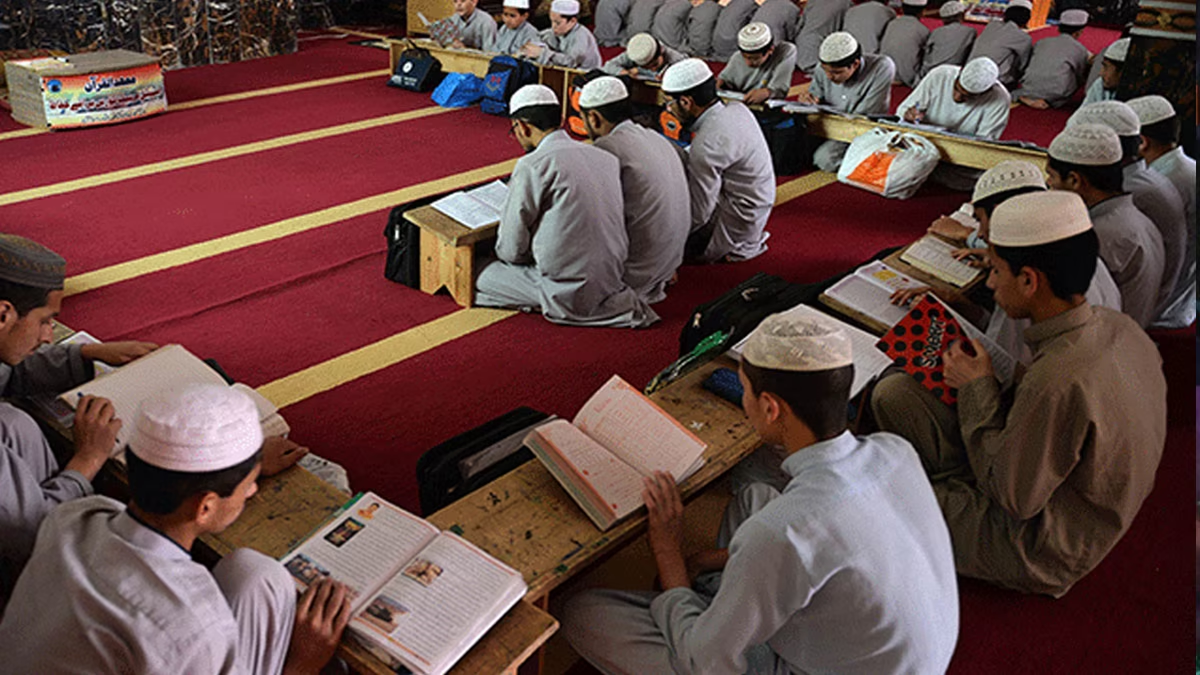
The Khyber Pakhtunkhwa provincial government has introduced amendments to the legal framework for registration of religious seminaries through the KP Association Registration (Amendment) Ordinance, making the registration of seminaries based on the provisions of the provincial association registration law.
The proposed amendment would require religious seminaries in the state to comply with the registration requirements set out in the Societies Registration Law, but seminaries already registered with the Directorate General of Religious Education would be exempted from the law. The amendment introduces an additional provision in Section 21 of the Khyber Pakhtunkhwa Societies Registration Act to clarify the tax exemption of seminaries registered with the Directorate General of Religious Education.
The resolution was signed into law immediately, according to details of the legislation.
The development establishes a revised regulatory framework for the registration of religious seminaries in Khyber Pakhtunkhwa.
It is to be noted that President Asif Ali Zardari promulgated the Khyber Pakhtunkhwa Special Initiatives Ordinance 2026 on Saturday. This resolution aims to restore peace and security, strengthen the rule of law, restore public confidence in government institutions, and accelerate the socio-economic development of selected districts.
The order applies to 12 districts of Khyber Pakhtunkhwa province including Dera Ismail Khan, Bannu, Lakki Marwat, Tank, Upper South Waziristan, Lower South Waziristan, North Waziristan, Kurram, Orakzai, Khyber, Mohmand and Bajar. It also defines the role of the Secretariat and the Territorial Development Manager in facilitating the implementation and supervision of special development initiatives.
President Zardari issued the decree in accordance with Article 89 of the Constitution. The legislation also deals with the imposition of a state of emergency under Articles 232 and 234 in Khyber Pakhtunkhwa.
According to the resolution, the absence of both sessions of the Senate and the National Assembly necessitated immediate legislative action and its promulgation.
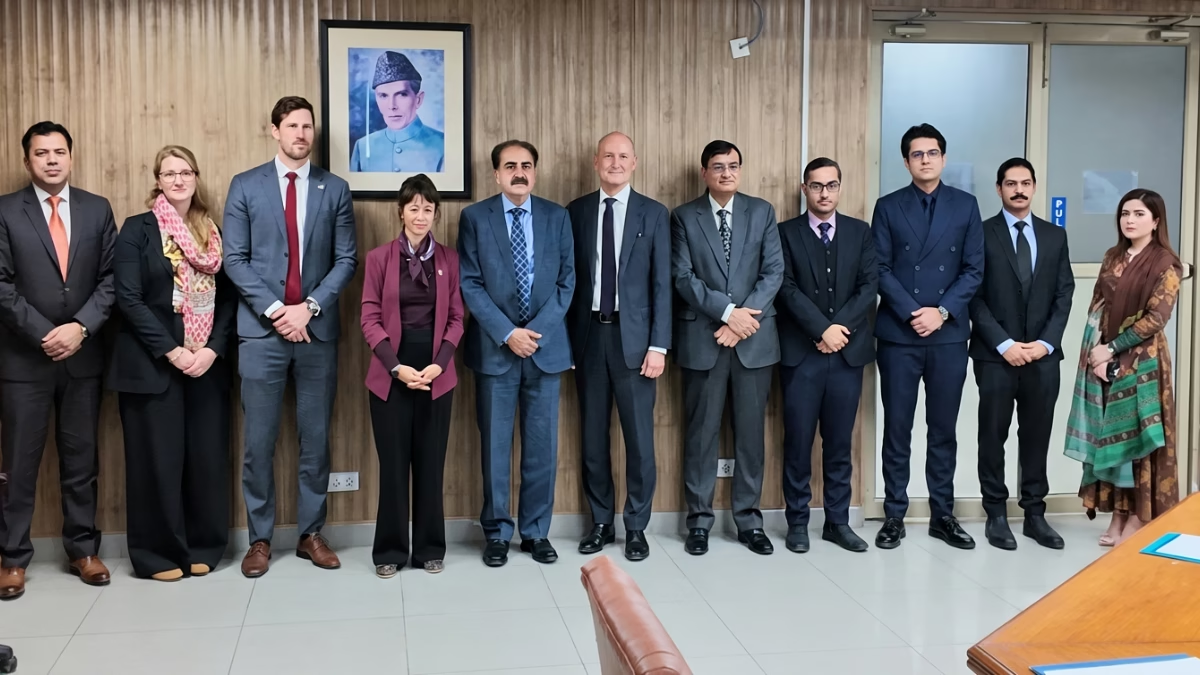
In order to improve the framework for bilateral investment cooperation and fortify economic connections between the two nations, Pakistan and Sweden held negotiations here to modernize their 1981 Bilateral Investment Treaty (BIT).
The development was a significant step toward modernizing the framework governing bilateral investment relations, according to a news statement from SIFC. Senior leaders from both countries attended the opening ceremony, demonstrating their shared commitment to developing economic cooperation and expanding investment ties.
SIFC Secretary Jamil Ahmed Qureshi used the occasion to emphasize the importance of negotiations in developing mutually beneficial economic relations. He stressed the importance of developing a modern investment framework that responds to changing economic priorities and creates an enabling environment for bilateral investments.
Swedish Ambassador to Pakistan, who led the Swedish delegation, appreciated Pakistan’s constructive engagement and reiterated Sweden’s interest in developing economic ties with Pakistan, particularly in the areas of sustainable investment, innovation and job creation. Technical teams from both countries made significant progress on key provisions of the draft treaty, reflecting the constructive engagement and continued cooperation between the negotiating parties.
The modernization of the Treaty is expected to provide a new framework for investment cooperation, increase private sector participation, and create further opportunities for mutually beneficial economic exchange. The ongoing negotiations mark a major turning point in economic relations between Pakistan and Sweden.
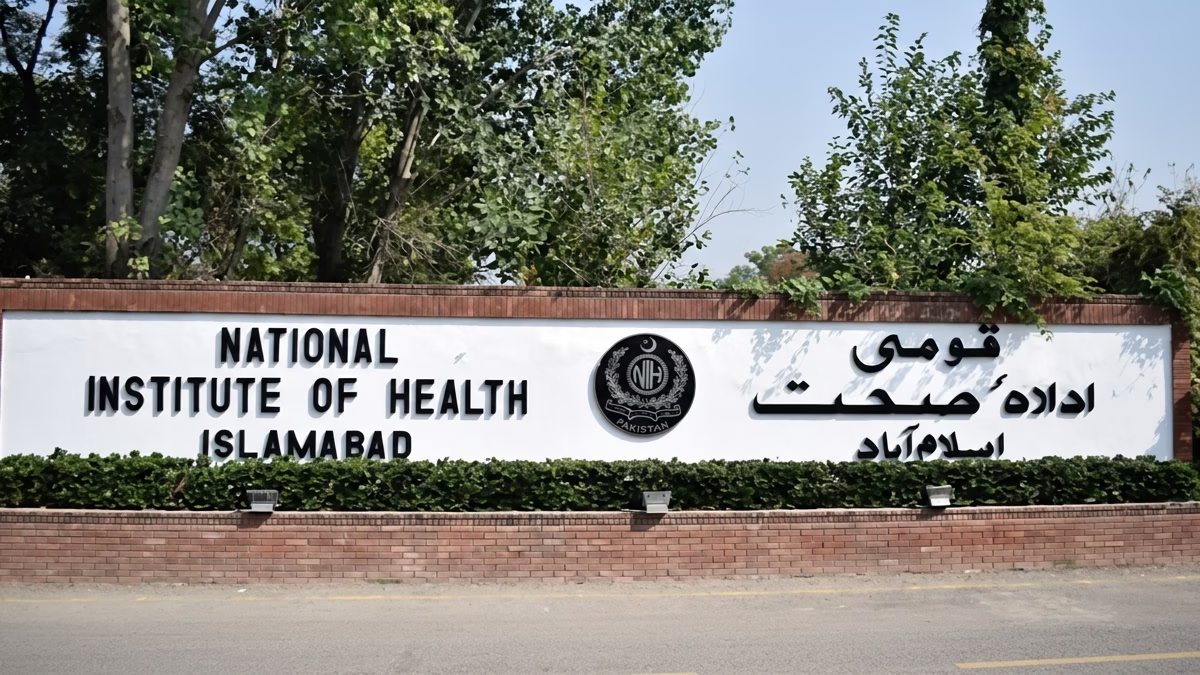
In three national public health recommendations, the National Institutes of Health (NIH) called on federal and state health officials to increase disease surveillance, immunization, and medical preparedness to combat vaccine-preventable diseases, winter smog, and seasonal influenza.
The NIH Center for Disease Control (CDC) issued the warning on Saturday. They address health risks associated with smog and precautionary measures, seasonal influenza prevention and control for 2026–2027, and vaccine-preventable disease prevention and control.
While the spread of diseases, including measles, diphtheria, pertussis, and tetanus, continued to be a public health concern, the NIH cautioned that decreasing temperatures and shifting disease patterns could raise respiratory and cardiovascular health risks.
Under the advisories, federal and provincial health departments, hospitals, and laboratories have been urged to strengthen routine and catch-up immunization to address vaccination gaps and improve protection against preventable diseases.
The guidelines also call for early detection of suspected cases, timely laboratory confirmation, standardized clinical management, and enhanced hospital preparedness to handle potential increases in patient numbers. Health authorities have been directed to increase public awareness and risk communication to encourage preventive measures against seasonal diseases and smog-related health risks.
The National Institutes of Health called on all health authorities and stakeholders across the country to immediately implement the proposed measures to reduce winter-related health risks and protect public health.
KP introduces new registration framework for religious seminaries
Pakistan, Sweden hold talks to modernise investment treaty
Three health advisories issued ahead of winter

ICC board meeting in India: Mohsin Naqvi gets invitation

‘Self-Reliance in Digital ID’: NADRA launches locally produced QR code-based National Identity Card

23 people have died during the monsoon as rain-related incidents plague Punjab and KP.
-
 Latest News6 months ago
ICC board meeting in India: Mohsin Naqvi gets invitation
-
 Latest News3 months ago
‘Self-Reliance in Digital ID’: NADRA launches locally produced QR code-based National Identity Card
-
 Latest News4 months ago
23 people have died during the monsoon as rain-related incidents plague Punjab and KP.
-

 Latest News3 months ago
Turkish FM, Dar discuss regional trends, bilateral connections
-
 Business4 months ago
Govt dedicated to resolving Balochistan issues: Dar
-

 Latest News4 months ago
Pakistan making rapid progress in robotics, AI: Shaza Fatima
-

 Entertainment6 months ago
Interim bail given to YouTuber Rajab Butt in gambling app marketing case
-
 Latest News4 months ago
After a divorce, LHC decides that women who have been harmed by their spouses get their dower.