
Latest News
Pakistan condemns Houthi attack on Saudi financial district

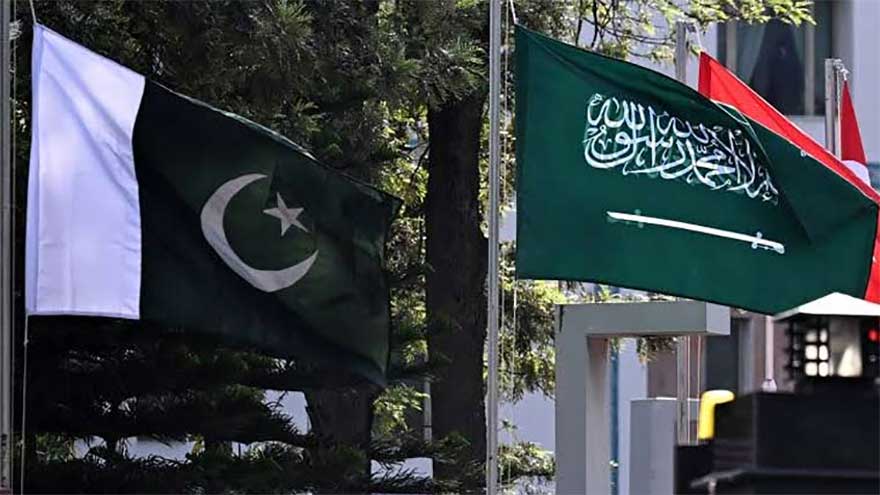
Pakistan strongly condemned the Houthi attack on a tower in Riyadh’s financial district, which injured Saudi nationals and foreign residents.
A foreign ministry spokesperson said in a statement that Pakistan is deeply concerned about the incident and wishes a speedy and full recovery to those injured in the attack. The spokesperson commended Saudi authorities for their quick response and efforts to protect lives and property, while condemning what Pakistan called cowardly attacks.
Pakistan also expressed its full solidarity with the Kingdom of Saudi Arabia, reaffirming that Saudi Arabia has every right to defend its territory and protect the lives of its citizens and residents. The spokesperson reiterated Pakistan’s support for Saudi Arabia amid the attacks.
Saudi Civil Defense says 11 injured in Houthi attack on financial district
Saudi Arabia’s civil defense authorities said on Tuesday that 11 people were injured in an attack by Houthi militants on a tower in Riyadh’s financial district, state media reported.
“A civil defence spokesman said on Tuesday that emergency services had responded to an incident in which a tower in Riyadh’s financial district was targeted in a terrorist attack carried out by the Houthi terrorist militia,” read a report by the Saudi Press Agency, adding: “The attack resulted in 11 people being injured.”
Earlier, US Secretary of State Marco Rubio and Saudi Foreign Minister Prince Faisal bin Farhan condemned attacks by the Iran-backed Houthis on Saudi Arabia and stressed the importance of freedom of navigation through the Strait of Hormuz and Bab el-Mandeb during a phone call, the Saudi foreign ministry said in a post on X.
The federal government has reduced petrol and high-speed diesel (HSD) prices over the next two weeks, providing some relief to consumers as fuel costs remain high.
According to the crude oil price revision announced on November 24, petrol will be cheaper by Rs 1 per liter, reducing the price from Rs 319 to Rs 318 per liter. The price of high-speed diesel has come down by Rs 4 from Rs 357 to Rs 353 per liter.
The revised rates are based on the petroleum products pricing mechanism approved by the federal government.
The latest reduction will lower transportation and fuel expenses to some extent, particularly for motorists and businesses relying on diesel-powered vehicles.
Petrol is primarily used in private cars, motorcycles and three-wheelers, while diesel is widely consumed by heavy transport vehicles, buses, trucks, agricultural machinery and other commercial vehicles.
Changes in diesel prices have a direct bearing on freight and public transport operating costs, while petrol price adjustments affect household budgets and daily commuting expenses.
The new petroleum prices will remain applicable from November 25 under the revised pricing notification.
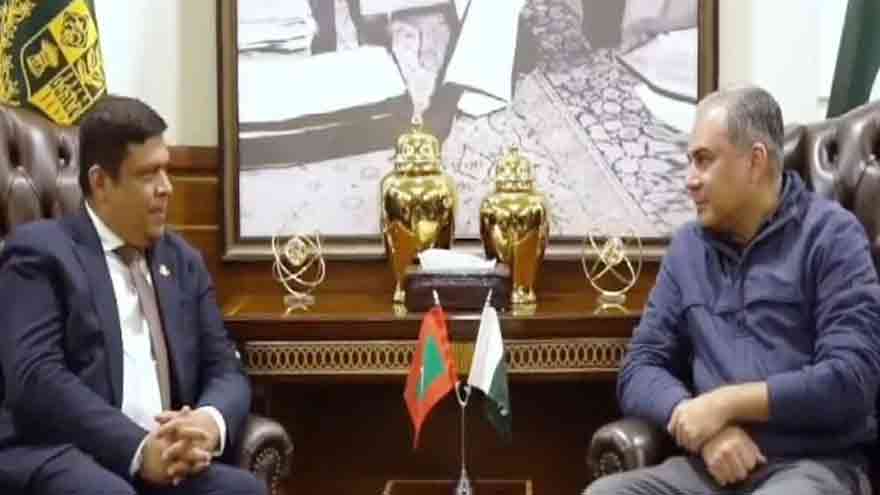
Maldives will soon launch direct flights between Pakistan and the island nation, with top Pakistani cricketers, artists and other celebrities expected to travel on the first flight, Maldives Minister of Tourism and Civil Aviation Mohamed Amin has announced.
The statement was made during a meeting between Interior Minister Mohsin Naqvi, Minister of State for Interior Talal Chaudhry and Maldives Minister, during which the two sides discussed strengthening bilateral relations and expanding cooperation in the areas of tourism, sports, health, trade and manpower. Mohamed Amin said Pakistani celebrities enjoy considerable popularity in the Maldives, adding that their visit will boost tourism and strengthen people-to-people ties between the two countries.
Speaking on the occasion, Mohsin Naqvi welcomed the proposed direct air service, saying it will make travel to the Maldives more convenient for Pakistani citizens. He noted that Pakistanis have shown great interest in tourism and expressed confidence that improved air connectivity would attract more Pakistani tourists to the island nation.
Discussing cooperation in the field of sports, the Home Minister said that the Pakistan Cricket Board (PCB) is working on a project to establish a cricket stadium in the Maldives. During the meeting, Mohammed Amin praised Islamabad’s modern infrastructure, rapid development, scenic beauty and cleanliness. He said he was impressed by the city’s natural attractions and said that Islamabad is a city with great potential to become a tourism hub. Regarding trade and economic cooperation, the Maldives Minister said that the Maldives needs human resources and would welcome skilled and other workers from Pakistan.
He also highlighted opportunities to import construction materials, medicines and other products from Pakistan, hinting at the possibility of expanding bilateral trade. The meeting was also attended by the High Commissioner of the Maldives and the Chief Commissioner of Islamabad.
- The Federal Cabinet approved a new national policy for deregulation of the sugar sector.
The outline of the policy was submitted to the Cabinet by the Ministry of Industry and Production.
The federal cabinet approved the proposals included in the summary presented through circulation on Tuesday.
The Cabinet also approved the proposals presented in paragraphs 6 and 8 of the Sugar Sector Deregulation Policy. The national policy for deregulation of the sugar sector was submitted to the Cabinet under the 1973 Business Rules.
APP further added, “All provincial governments, including Sindh and Punjab, have unanimously agreed to implement sugar deregulation policies that will pave the way for fundamental transformation of the sugar industry through market reforms, increased competition, and a more favorable business environment.” federal government
It aims to transform Pakistan’s sugar industry into a competitive, transparent and market-driven enterprise by reducing unnecessary government intervention and providing opportunities and incentives across the value chain.
The framework is designed to benefit all stakeholders, including manufacturers, millers, traders and exporters, while contributing to the broader national interest by increasing production, increasing efficiency, improving business opportunities and increasing income for industry and government. At the commercial stage, the policy introduces a predictable sugar import/export mechanism, eliminates export subsidies, and facilitates the movement of sugar between states.
These measures are aimed at creating an open and competitive business environment, improving market efficiency and allowing supply and demand to play a greater role in determining market outcomes. “Initially, sugarcane producers will be free to sell their produce to any buyer, and the price of sugarcane will be determined by market mechanisms. This will give farmers greater flexibility, encourage competition among buyers, and allow producers to make business decisions based on market opportunities.” Access to finance for sugarcane producers will also be facilitated to support agricultural activities and strengthen farmers’ financial capacity, while farm mechanization programs will help improve productivity and agricultural efficiency.
“Producers will further benefit from a more competitive sugar sector where market forces, rather than unnecessary regulatory controls, shape commercial decisions.”
At the processing stage, the policy removes restrictions on the establishment of new sugar mills and capacity approvals, while enabling mills to make production decisions in response to market conditions.
This shift is expected to encourage investment, promote efficiency and create a more competitive industrial environment. Recognizing the importance of a smooth transition, the policy also includes support measures for farmers and other stakeholders.
This includes facilitating access to finance for farmers and sugar mills and promoting agricultural mechanization programs to improve agricultural productivity. Additionally, the government will work on mandating ethanol blending and developing feedstock markets to strengthen market mechanisms, improve price discovery and create new opportunities in this sector.
The unanimous agreement of all state governments marks an important step in the reform process and demonstrates a common commitment towards creating a more efficient and sustainable sugar industry.

Petrol price slashed by Rs1, diesel by Rs4 per litre

Maldives to launch direct flights to Pakistan soon, announces tourism minister

Federal cabinet approves sugar sector deregulation policy

ICC board meeting in India: Mohsin Naqvi gets invitation

‘Self-Reliance in Digital ID’: NADRA launches locally produced QR code-based National Identity Card

23 people have died during the monsoon as rain-related incidents plague Punjab and KP.
-
 Latest News6 months ago
ICC board meeting in India: Mohsin Naqvi gets invitation
-
 Latest News3 months ago
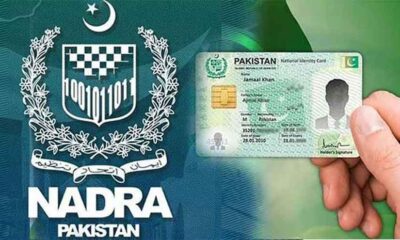
‘Self-Reliance in Digital ID’: NADRA launches locally produced QR code-based National Identity Card
-
 Latest News4 months ago
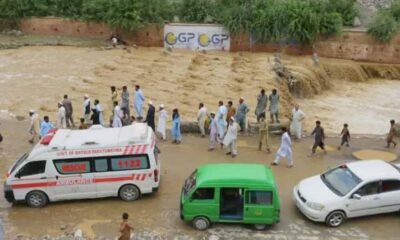
23 people have died during the monsoon as rain-related incidents plague Punjab and KP.
-
 Latest News3 months ago
Turkish FM, Dar discuss regional trends, bilateral connections
-
 Business4 months ago
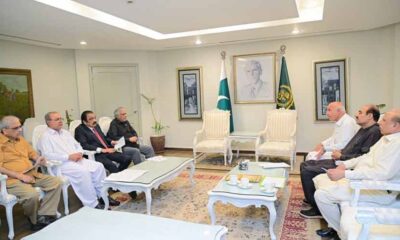
Govt dedicated to resolving Balochistan issues: Dar
-
 Latest News4 months ago
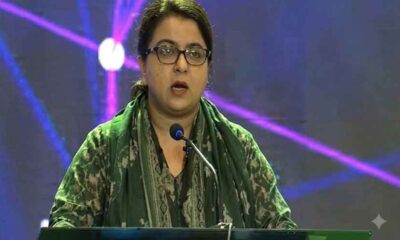
Pakistan making rapid progress in robotics, AI: Shaza Fatima
-

 Entertainment6 months ago
Interim bail given to YouTuber Rajab Butt in gambling app marketing case
-
 Latest News4 months ago
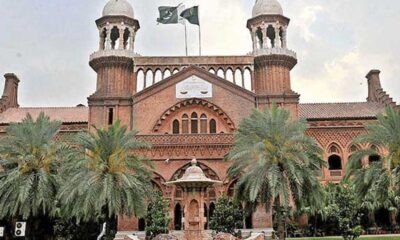
After a divorce, LHC decides that women who have been harmed by their spouses get their dower.