
Business
Petrol Rs20.81, diesel Rs55.36 a litre in a week on daily pricing


Petrol and diesel prices have seen a dramatic increase of Rs20.81 per litre and Rs55.36 per litre respectively within a week under Pakistan’s newly established daily petroleum pricing scheme.
The petroleum division said that under the new pricing mechanism, petrol price was jacked up by Rs5.44 per litre and diesel Rs31.05 per litre from July 18.
On July 21, petrol prices were slashed by 35 paisas per litre, while diesel prices were raised by Rs5.71 per litre.
The petrol prices were increased by Rs4.93 per litre and Rs7.15 per litre for diesel on July 22. On July 23, a day later, the petrol price was increased by Rs6.39 per litre and diesel by Rs7.83 per litre.
On July 24, petrol prices were increased by Rs4.40 per litre and diesel by Rs3.62 per litre.
On July 17, the federal cabinet had decided to start daily pricing of petroleum products and had authorised the Oil and Gas Regulatory Authority (OGRA) to fix the rates of fuel on a daily basis in line with the international market trends.
After the last modification, petrol prices are now Rs335.18 a litre while diesel is being offered at Rs383.46 a litre.
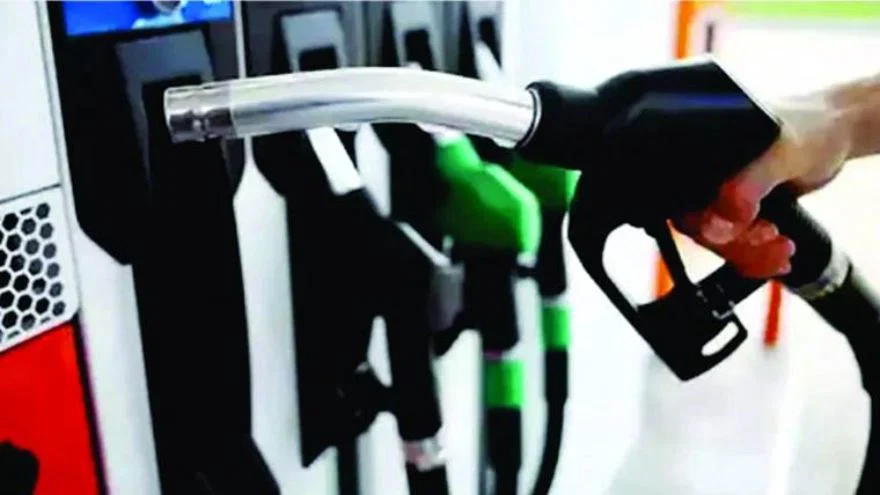
Motorists have suffered another blow with the latest gasoline price review, which has once again seen petrol and diesel prices drop.
Petrol has seen a reduction of Rs2.71 per litre, while diesel has become 30 paisa cheaper.
According to the fuel price information provided, the new prices will come into force on Wednesday (14 October 2026).
New fuel prices
The petrol price has been cut by Rs2.71 per litre to Rs392.66 per litre.
The company announced that the price of high-speed diesel was decreased by 30 paisa per litre and the new pricing is Rs396.82 per litre.
Daily pricing mechanism
The latest revision comes after the government shifted to daily fuel price evaluations, allowing petroleum rates to respond more often to fluctuations in overseas markets.
Under the new mechanism, pricing will be determined based on international market rates averaged over seven days, among other things, such as benchmark prices, premiums and charges.
It is a scheme designed to ensure that changes in world oil prices are passed on to consumers more quickly.
According to the price information, fuel prices would not change on public holidays, Saturdays and Sundays.
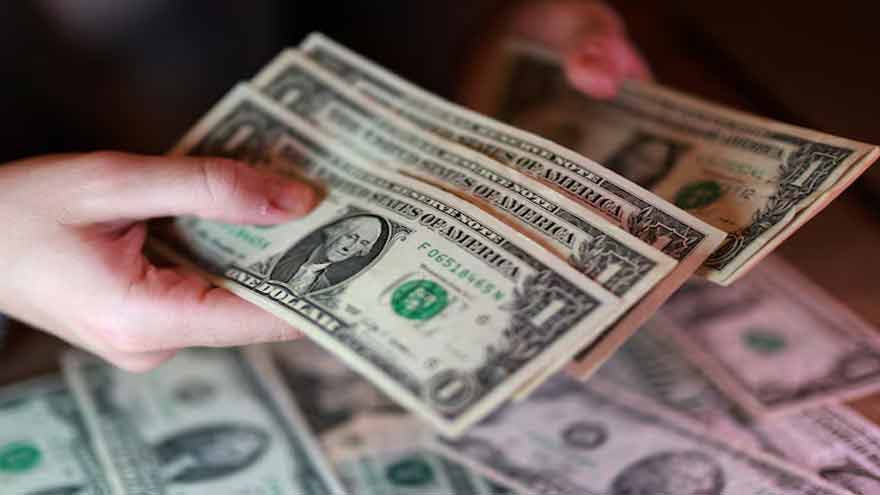
The dollar was down on Wednesday as traders anticipated further clues on timing of interest rate hikes to tackle stubborn inflation.
The dollar retreated from an 18-month high in the last session, as oil prices slipped and investors reviewed the AI-driven surge that has bolstered demand for U.S. assets. The euro clung to gains, with budget worries in France keeping regional bond yields high and markets on edge.
Attention now turns to the release of US consumer price index data and speeches by Federal Reserve governors that could provide clues on the interest rate outlook.The danger is that the core CPI surprises to the upside due to strong consumer demand and higher expenses, driving up market pricing of an October Fed hike and the USD’, Carol Kong, a currency strategist at Commonwealth Bank of Australia, said in a note.
The dollar index, which measures the greenback against a basket of currencies, was down 0.02% at 102.16 after down 0.35% on Tuesday. The euro was up 0.04% at $1.1203.
The dollar was last barely changed at 158.32 yen and sterling was last up 0.03 percent at $1.3256.
The dollar continued losses on Tuesday as New York Fed President John Williams said he still expects one more rate hike this year, but sees no need for any increases in 2027.
The US Labour Department is set to issue its CPI for September, which is predicted to have increased by 0.6% month-on-month after a 0.4% rise in August, while annual inflation is expected to rise to 3.6% from 3.4%. Also set to be released is the Fed’s Beige Book.
Traders priced in a 77% likelihood the Fed will keep rates steady at its October 27-28 meeting, compared with 51% a month earlier, according to CME Group’s FedWatch Tool, while pricing in around 75 basis points of tightening to late 2027.
Bets on a Fed rate hike later this month were dumped after two members urged for gathering more evidence before judging whether additional tightening is needed, while Fed Governor Christopher Waller said inflation expectations remained “well anchored.”
Richmond Fed President Thomas Barkin is slated to take part in a fireside chat in Virginia and Federal Reserve Vise Chair for Supervision Michelle Bowman is to take part in discussions in Bangkok.
The International Monetary Fund and World Bank are holding their annual meetings in Bangkok, with European Central Bank President Christine Lagarde likely to appear multiple times on Wednesday.
The Australian dollar advanced 0.06% to $0.6984 against the greenback and New Zealand’s kiwi rose 0.09% to $0.5614.
The report said the weekend attacks on two oil tankers and strikes by Yemen’s Iran-backed Houthi movement on Saudi Arabia fueled investor concerns about future regional oil supply disruptions.
Brent crude prices jumped 76 cents, or 0.73%, to $105.48 a barrel at 7:04 p.m. EDT Sunday. U.S. West Texas Intermediate (WTI) crude futures increased 59 cents, or 0.64%, to $92.44 a barrel.
Houthi fighters claimed responsibility for a missile attack on Riyadh’s international airport Saturday that killed 13 people and wounded more than 300 others.
Saudi police announced another death and further injuries Sunday in a second attack on the airport.
The Federal Aviation Administration (FAA) cautioned U.S. airlines on Sunday to exercise extreme caution flying in or above Saudi airspace, citing increased security threats stemming from the ongoing military conflict and disruptions to navigation systems, Reuters reported.
A notification to airmen (NOTAM) by the FAA, effective through Dec. 10, comes after a series of strikes on Riyadh, the capital of Saudi Arabia, including a new wave over the weekend.”Threats could pose a potential risk to aircraft during all phases of flight, including overflight, arrival and departure,” the FAA said.

Security forces kill five terrorists in Balochistan’s Washuk

Fakhar Zaman becomes first Pakistani to hit 100 sixes in T20 Internationals

Pakistan lift T20I series trophy despite defeat as Sri Lanka chase 169 with 17 balls to spare

ICC board meeting in India: Mohsin Naqvi gets invitation

‘Self-Reliance in Digital ID’: NADRA launches locally produced QR code-based National Identity Card

23 people have died during the monsoon as rain-related incidents plague Punjab and KP.
-
 Latest News5 months ago
ICC board meeting in India: Mohsin Naqvi gets invitation
-
 Latest News2 months ago
‘Self-Reliance in Digital ID’: NADRA launches locally produced QR code-based National Identity Card
-
 Latest News3 months ago
23 people have died during the monsoon as rain-related incidents plague Punjab and KP.
-

 Latest News2 months ago
Turkish FM, Dar discuss regional trends, bilateral connections
-

 Business3 months ago
Govt dedicated to resolving Balochistan issues: Dar
-

 Latest News3 months ago
Pakistan making rapid progress in robotics, AI: Shaza Fatima
-

 Entertainment5 months ago
Interim bail given to YouTuber Rajab Butt in gambling app marketing case
-

 Latest News3 months ago
After a divorce, LHC decides that women who have been harmed by their spouses get their dower.