
Latest News
SIFC approves White Oil Pipeline to enhance Pakistan’s energy infrastructure


The Special Investment Facilitation Council (SIFC) has approved the Machike-Thallian-Tarru Jabba White Oil Pipeline (WOP), a vital project aimed at boosting Pakistan’s energy infrastructure and building a major fuel transport corridor from the south to the north.
Officials claimed the project is said to modernise the country’s petroleum supply chain by shifting white oil transportation from oil trucks to a specialized pipeline infrastructure. This is expected to cut travel costs, minimise fuel losses and enhance the overall efficiency of deliveries.
The pipeline will extend Pakistan’s current network from Karachi to Khyber, allowing for the transportation of petroleum products such as motor gasoline and high-speed diesel across the country. It will link Machike near Lahore and Tarru Jabba near Peshawar over a 477-kilometre stretch along the highway corridor with linkages to significant places such as Attock Refinery, Chakpirana and Faqirabad.
The project is being built by a consortium of Frontier Works Organisation (FWO), Pakistan State Oil (PSO) and Inter-State Gas Systems (ISGS) through a project business called Frontier Oil business. The project has a 25 per cent portion controlled by Azerbaijan’s state-owned SOCAR.
The project will promote energy security, provide a more stable fuel supply across the regions and increase investor trust in Pakistan’s energy industry, SIFC said. It is also intended to produce jobs during its development and operation.
SIFC has been instrumental in securing large scale investment and progress on the strategically significant project which is regarded as a crucial step towards sustainable economic growth and infrastructural development in Pakistan.
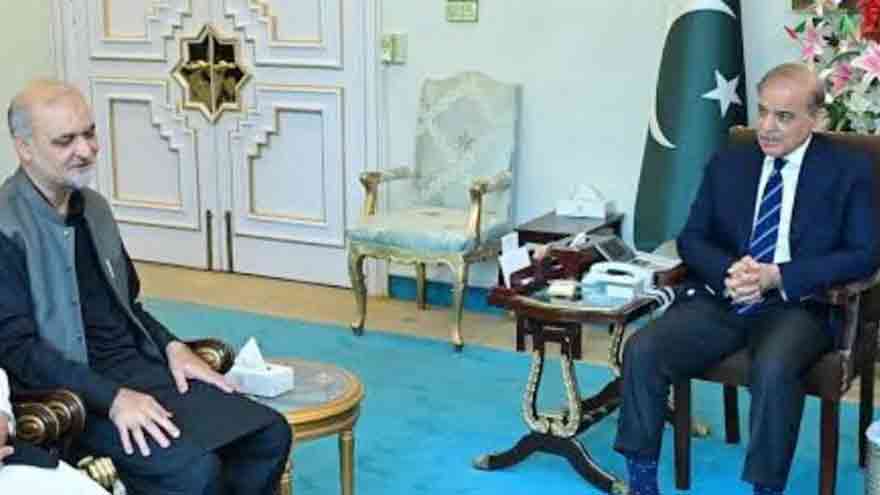
Prime Minister Shehbaz Sharif will visit Jamaat-e-Islami Pakistan Emir Hafiz Naeemur Rehman on Tuesday to discuss recommendations regarding the abolishment of petroleum charge and probable reduction on fuel prices.
The meeting will be held in the afternoon at the Prime Minister’s House in Islamabad, sources said. Jamaat-e-Islami Deputy Emir Liaquat Baloch will also be there, while several other members of the party’s negotiation team are anticipated to attend.
Sources claimed Federal Minister Ahsan Iqbal, Ali Pervaiz Malik and the Prime Minister’s Adviser Rana Sanaullah are also likely to attend the meeting.
The talks are expected to center on the petroleum levy, fuel costs and possible steps the government could look at to bring assistance to consumers.
The meeting comes after Jamaat-e-Islami announced a long march against the charge on petroleum items. The party then called off the scheduled march when the prime minister invited its leaders for discussions.
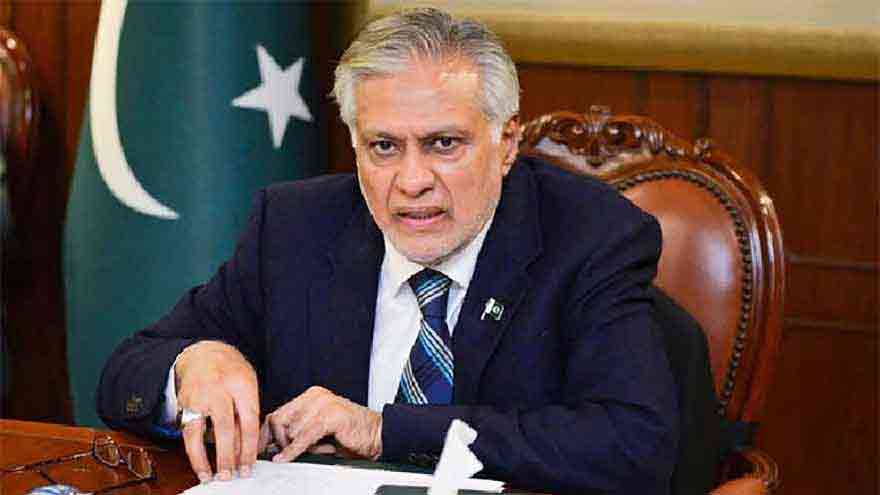
Deputy Prime Minister and Foreign Minister Ishaq Dar Tuesday urged the international community to play its appropriate role for alleviating the sufferings of the people of Indian Illegally Occupied Jammu and Kashmir (IIOJK) and promote respect for their basic rights.
In a message for Jammu and Kashmir Black Day, he said significant and sustained international engagement is vital for peaceful resolution of Jammu and Kashmir problem.
On this sad occasion of Jammu & Kashmir Black Day, we remember with profound regret the events of 27 October 1947 when Indian soldiers landed in Srinagar, opening a long and tragic chapter in the history of Jammu and Kashmir. “Almost eight decades later, the people of Indian Illegally Occupied Jammu and Kashmir (IIOJK) continue to suffer the consequences of an unresolved dispute and continue to be denied their inalienable right of self-determination, as affirmed in the relevant resolutions of the United Nations Security Council,” the message said.
He emphasised that the people of IIOJK have faced enormous hardships for decades, including limits on basic freedoms, human rights concerns and great pain.
In the face of these challenges, they have displayed unshakeable commitment, courage and resilience. Generations of Kashmiris have made sacrifices, demonstrating their unwavering will for justice, peace and the freedom to choose their own future.
Dar said that the UN Security Council has passed several resolutions on Jammu and Kashmir, providing for peaceful settlement according to the will of the people.
Pakistan has always stressed that these resolutions are crucial to the resolution of the dispute and has highlighted the essential function of the international community in ensuring a just, peaceful and permanent resolution to this long-standing issue.
The human rights situation in IIOJK has gained more international attention following India’s unilateral measures of 5 August 2019. The subsequent legislative and administrative actions, restrictions on fundamental freedoms, demographic and political changes and the continued detention of Kashmiri political leaders and activists in the occupied territory have further deepened the sense of insecurity and alienation among the people. These events have also created major problems under international law and applicable international humanitarian and human rights norms.
The international community, including various United Nations bodies and human rights organisations, has highlighted concerns about the treatment of civilians and the larger human rights situation in IIOJK. These challenges highlight the necessity for continuing international attention and engagement.
“However, the people of IIOJK are undeterred by such adversity. Their ongoing fight for their basic rights is a reminder that the ambitions of a people cannot be extinguished by force or tyranny. “Their sacrifices and quest for dignity and self-determination deserve the serious attention of the international community,” the message said.
Deputy Prime Minister reaffirmed Pakistan’s steadfast political, moral and diplomatic support to the people of IIOJK.
We will continue to raise their voice in every appropriate international venue and urge for a peaceful and just resolution of the Jammu and Kashmir problem’, he added.
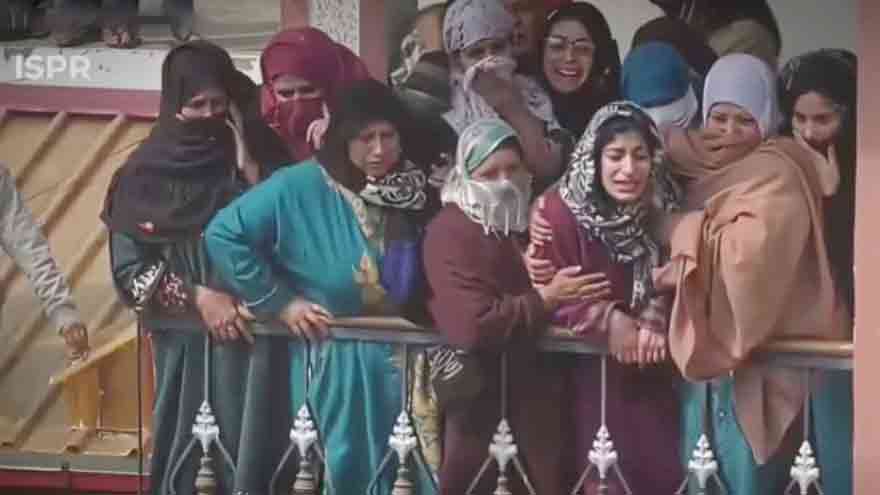
On the occasion of Kashmir Black Day being marked on October 27, the Inter-Services Public Relations (ISPR) has published a special song to express sympathy with the people of Indian occupied Jammu and Kashmir.
The song is a tribute to the tenacity, courage and sacrifices of the people of Kashmir, emphasising their unending fight for freedom and their hopes for a peaceful future.
The song, with emotionally charged lyrics and an amazing musical composition, illustrates the determination of the Kashmiri people against all odds.
The song is a tribute to the fortitude of the people of occupied Kashmir and a message of hope and perseverance in their struggle for independence.
It also contains key characters in the struggle including Syed Ali Geelani, Mirwaiz Umar Farooq and Burhan Wani, who are prominent protagonists in the Kashmiri liberation movement.
The production also talks about the capturing of Indian Air Force pilot Abhinandan and missile-firing incidents to send a message of Pakistan’s defence preparation and resolve.
The song finishes with a repetition of the Pakistan military leadership’s support for the Kashmiri people’s battle against what it refers to as Indian oppression.
The release coincides with Kashmir Black Day, commemorated every year on October 27 to mark the entry of Indian forces in Srinagar on October 27, 1947, which Pakistan considers the beginning of a long era of misery of the people of Jammu and Kashmir.

NCCIA officer included in JIT probing Mir Raza Ali Khan case

PM Shehbaz, JI chief to discuss petroleum levy issue today

Dar urges world to address sufferings of people of Indian occupied Kashmir

ICC board meeting in India: Mohsin Naqvi gets invitation

‘Self-Reliance in Digital ID’: NADRA launches locally produced QR code-based National Identity Card

23 people have died during the monsoon as rain-related incidents plague Punjab and KP.
-
 Latest News5 months ago
ICC board meeting in India: Mohsin Naqvi gets invitation
-
 Latest News2 months ago
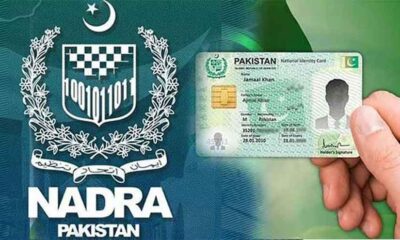
‘Self-Reliance in Digital ID’: NADRA launches locally produced QR code-based National Identity Card
-
 Latest News3 months ago
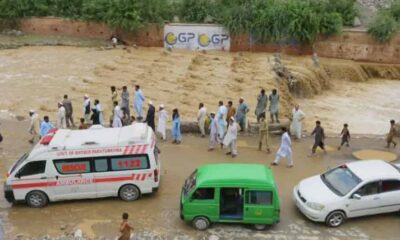
23 people have died during the monsoon as rain-related incidents plague Punjab and KP.
-
 Latest News2 months ago
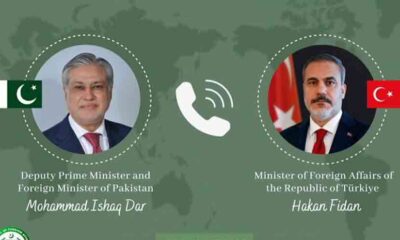
Turkish FM, Dar discuss regional trends, bilateral connections
-
 Business3 months ago
Govt dedicated to resolving Balochistan issues: Dar
-
 Latest News3 months ago
Pakistan making rapid progress in robotics, AI: Shaza Fatima
-

 Entertainment5 months ago
Interim bail given to YouTuber Rajab Butt in gambling app marketing case
-
 Latest News3 months ago
After a divorce, LHC decides that women who have been harmed by their spouses get their dower.