
Latest News
Australia braced for European-style fire season after scorching summer

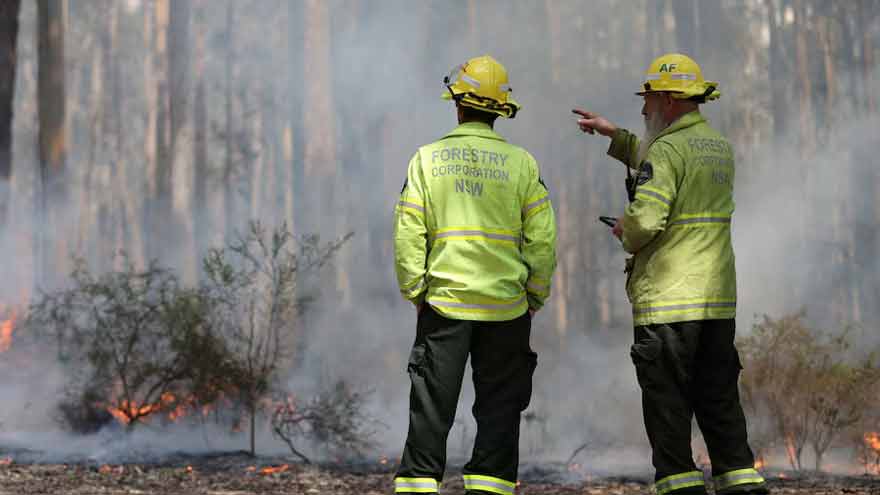
Australian firefighters say they are on alert as temperatures in the southern hemisphere begin to pick up, following a devastating fire season in Europe.
Australia is already experiencing a strong El Nino weather event that typically brings with it hotter, drier weather, and an increased risk of wildfires.
“We’re concerned this year that we’ll see increased fire risk (versus) prior years,” said Trent Curtin, head of the New South Wales Rural Fire Service, the world’s largest volunteer
firefighting force.Large parts of Europe, the world’s fastest-warming continent, endured sweltering summers, leaving vegetation tinder-dry and fuelling severe wildfires.
Britain had its hottest summer since records began, with Italy’s the warmest for 75 years.
“We’re seeing some extraordinary conditions in the northern hemisphere at the moment,” Curtin said.
“They’re experiencing fires that they haven’t seen for a couple of decades or maybe never seen before.”
Australia has a long history of fighting wildfires, including the 2019 to 2020 Black Summer blazes that destroyed an area the size of Turkey and killed 33 people.
Authorities frequently conduct hazard reduction burns, where sections of forest are burnt in a controlled manner to reduce the spread of wildfires should they happen.
“For this year we’re alert but not alarmed. We’re conscious of the fact that the seasonal outlook is expecting a busier than usual fire season – conditions will be quite dry, hot,” said
Alex Capararo, a sector commander for the Forestry Corporation of New South Wales, which manages state-owned land, as he led a hazard reduction burn around three hours north of Sydney.
Peak fire danger season usually starts in mid-October in northern New South Wales and in December in southern parts of the state, according to the Bureau of Meteorology.
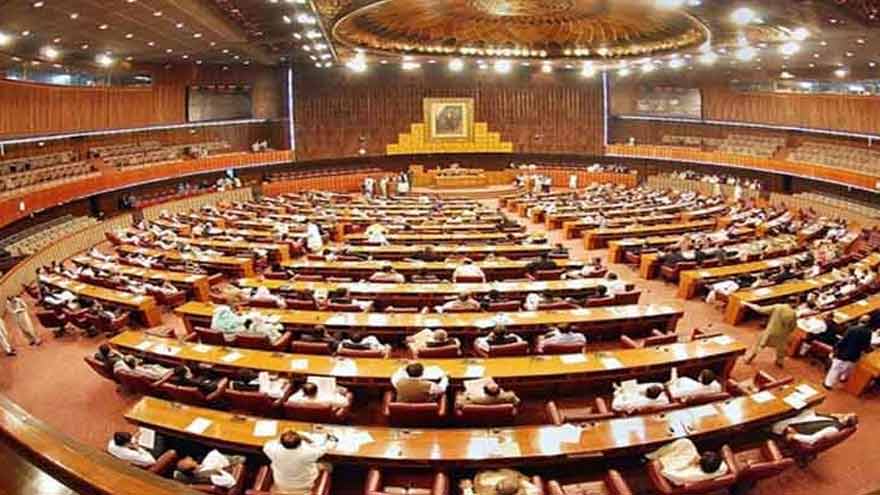
– Prime Minister Shehbaz Sharif has not yet forwarded the summary to the president for convening the National Assembly session, with the sitting now likely to be held next week.
According to parliamentary sources, the Ministry of Parliamentary Affairs had sent a summary to the prime minister seeking to convene the National Assembly session on Monday at 5pm.
Sources said a decision to reschedule the session was taken during a meeting between the president and the prime minister.
Parliamentary sources added that the National Assembly session is now expected to be summoned next week.
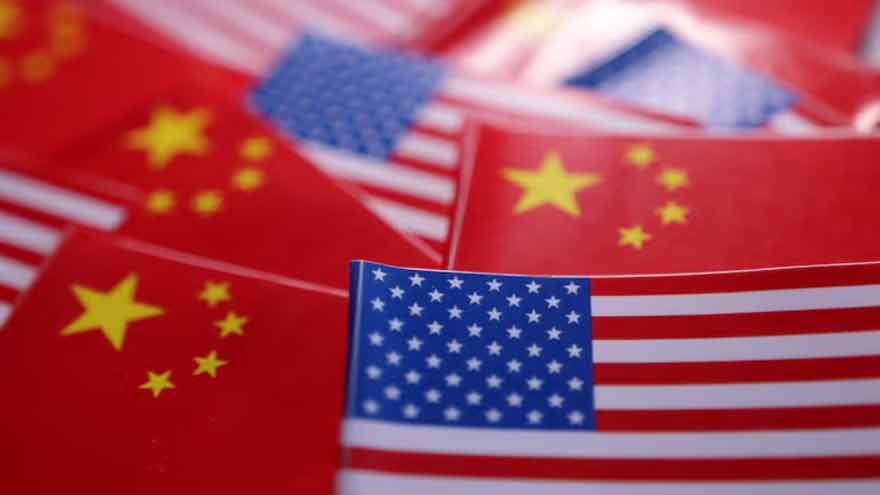
China and the United States discussed tariff cuts, agricultural trade and other issues at their first trade council meeting on Friday, China’s Commerce Ministry said on Saturday, days ahead of a leaders’ meeting in Shenzhen next week.
The Ministry of Commerce said: “The two sides had open, in-depth and constructive exchanges on issues of common concern, such as the implementation of the results of the previous China-US economic and trade consultations, including tariffs, the “US$30 billion for US$30 billion” mutually beneficial tax reduction regime, and agricultural trade.” It did not disclose whether any agreement had been reached. The Ministry of Commerce added that both sides will continue to use the council to resolve trade issues, expand cooperation and reduce outstanding issues. After a summit between President Xi Jinping and President Trump in Washington in September, the two sides proposed a $60 billion plan to cut reciprocal tariffs that would cover $17 billion worth of Chinese imports of U.S. agricultural products by 2024, but the plan has not yet been finalized.
A Reuters analysis of customs data earlier this month showed that China’s purchases of U.S. agricultural products, excluding soybeans, will hit a seven-year low this year, despite an agreement for $17 billion a year through 2028, underscoring lingering uncertainty over the deal. Beijing has repeatedly called on Washington to implement a $60 billion tariff reduction deal, saying it is a prerequisite for increased purchases of US agricultural products.
The White House said Trump will meet with Xi Jinping on Thursday on the sidelines of the Asia-Pacific Economic Cooperation Forum in Shenzhen.
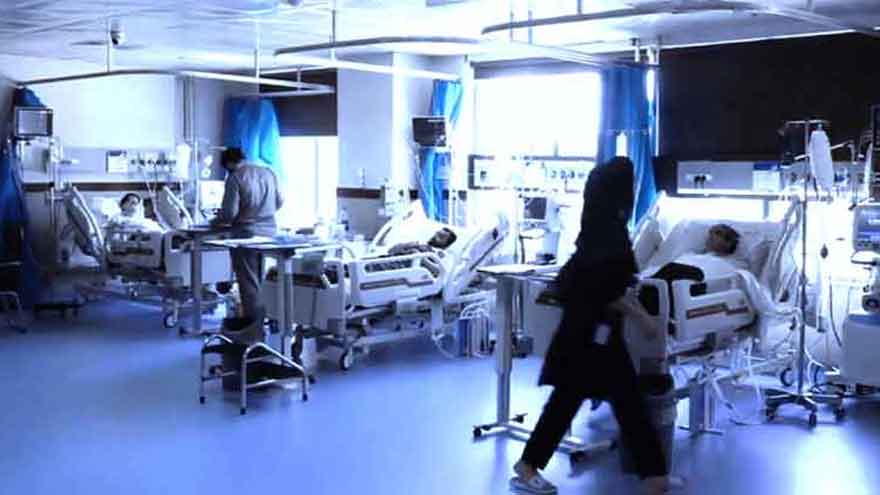
A concerning shortage of healthcare facilities and medical staff has emerged in Khyber Pakhtunkhwa, highlighting significant gaps in the province’s healthcare system.
Only 8,024 doctors are available to serve the province’s population of more than 40 million, meaning there is approximately one doctor for every 5,000 to 6,000 people. The media report that the situation of state medical facilities in the entire province is also unsatisfactory, as more than 200 different types of state medical centers are unable to function. Public hospitals are also facing a serious shortage of clinical places. The report said that the public hospitals of Khyber Pakhtunkhwa have a total of 18,432 beds and require about 64,000 beds to meet the health needs of the people of the province. This makes the bed gap about 45,568.
The report further highlights that the current number of doctors in the province is extremely low relative to its population, potentially making it difficult for patients to access medical consultations and treatment facilities.
Moreover, the closure of a large number of government healthcare centres is also hindering the provision of basic medical services to the public.
Meanwhile, Provincial Health Adviser Lieutenant General (retd) Nigar Johar said during a briefing that the provincial government had decided to introduce amendments to the Medical Teaching Institutions (MTI) Act and conduct audits of government hospitals to improve the healthcare system.
She added that shortcomings in the Sehat Card programme would be addressed and the system further improved to ensure better access to healthcare services for the public. A shortage of doctors, non-functioning health centers and insufficient hospital beds remain major problems in the province, requiring government reforms and expansion of health facilities.

NA sesssion likely to be rescheduled for next week

China, US discuss tariffs, farm trade ahead of Xi-Trump meeting

KP healthcare system faces acute shortage of doctors, hospital beds

ICC board meeting in India: Mohsin Naqvi gets invitation

‘Self-Reliance in Digital ID’: NADRA launches locally produced QR code-based National Identity Card

23 people have died during the monsoon as rain-related incidents plague Punjab and KP.
-
 Latest News6 months ago
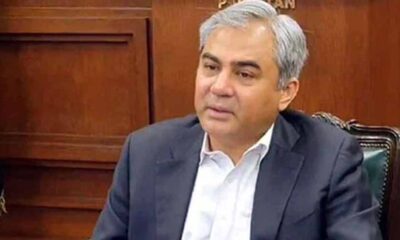
ICC board meeting in India: Mohsin Naqvi gets invitation
-
 Latest News3 months ago
‘Self-Reliance in Digital ID’: NADRA launches locally produced QR code-based National Identity Card
-
 Latest News4 months ago
23 people have died during the monsoon as rain-related incidents plague Punjab and KP.
-

 Latest News3 months ago
Turkish FM, Dar discuss regional trends, bilateral connections
-
 Business4 months ago
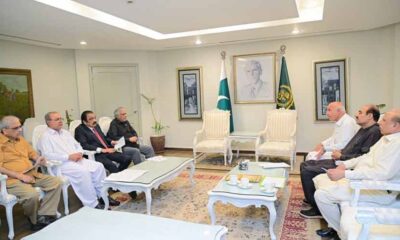
Govt dedicated to resolving Balochistan issues: Dar
-

 Latest News4 months ago
Pakistan making rapid progress in robotics, AI: Shaza Fatima
-

 Entertainment6 months ago
Interim bail given to YouTuber Rajab Butt in gambling app marketing case
-
 Latest News4 months ago
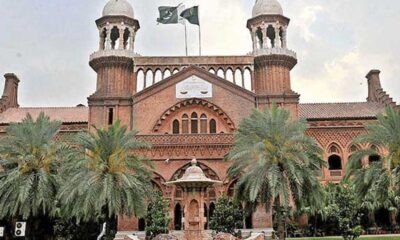
After a divorce, LHC decides that women who have been harmed by their spouses get their dower.