
Latest News
KP govt opts to outsource public schools

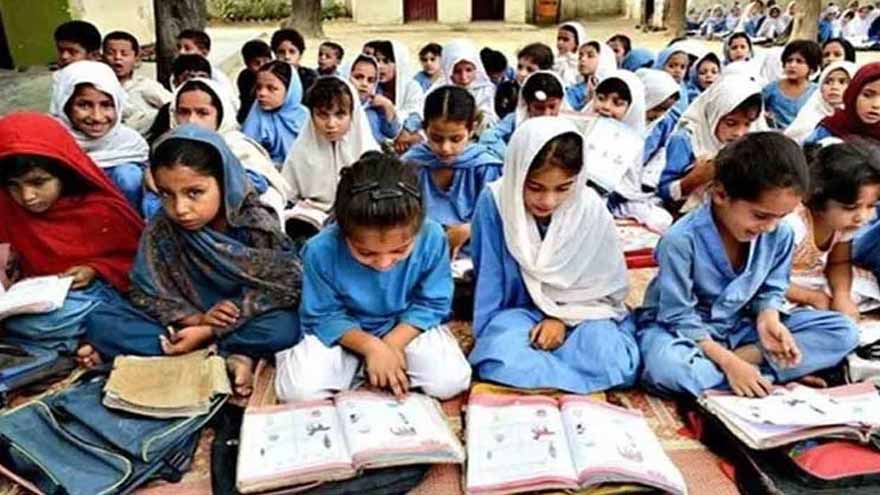
The Khyber Pakhtunkhwa (KP) government has decided to outsource government schools across the province, in a move similar to that made earlier for public hospitals.
About 2,000 government elementary schools would be outsourced the private sector, claimed the provincial education department. The agency has previously approved the outsourcing plan for public schools in the province.
Officials said that so far 500 government schools have already been outsourced. The province government will grant each school roughly Rs300,000 monthly to meet the staff salaries and other operational expenditures.
233 schools in the winter zone districts have already been outsourced, the education department said. Enrollment in these institutions has reportedly jumped 89% after outsourcing, from 4,086 to 7,718 students.
Authorities also said the objective is to grow enrollment from 40 pupils per school to 180 within one year, and contracts will be terminated if performance targets are not attained.
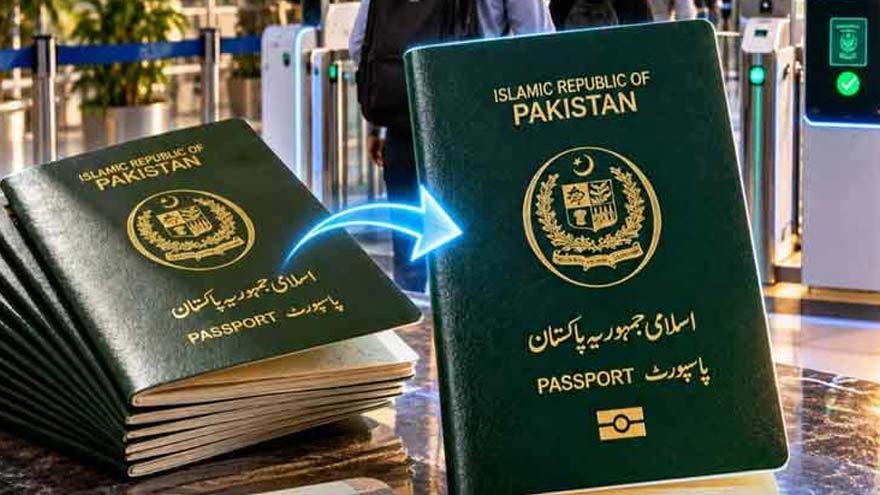
Director General Immigration and Passports said that Pakistan has started issuing electronic passports (e-passports) at Pakistani diplomatic missions across the world, a major milestone achieved under the vision of the prime minister and orders of Interior Minister Mohsin Naqvi.
This launch was accomplished due to the ongoing effort of the team of Directorate General of Immigration and Passports.
The e-passport is equipped with state-of-the-art security measures and constructed according to international standards and is a step forward in modernising the passport services in Pakistan.
The director general said machine-readable passports currently issued would stay valid until their expiry dates, and e-passports would be issued to anyone applying for new passports.
The effort has been termed as a key step in modernising Pakistan’s passport services in line with the vision of “One Nation, One Passport, One Identity”.
Search Topics
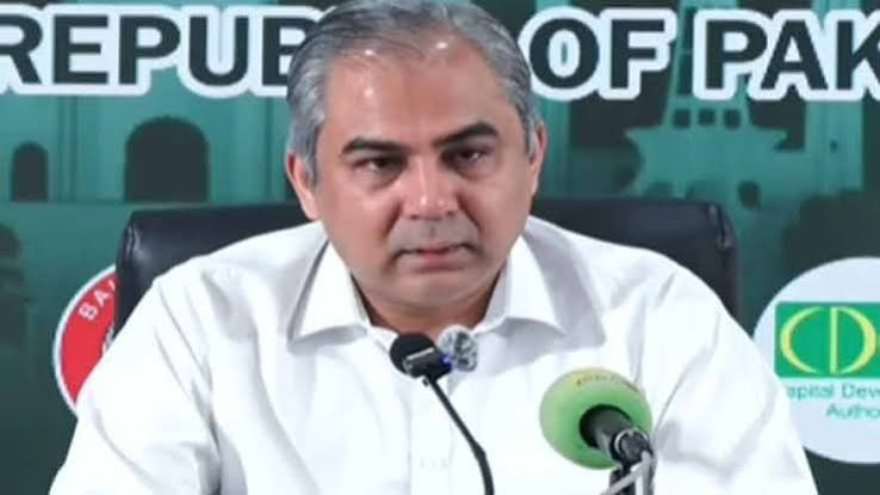
Interior Minister Mohsin Naqvi has warned the residents about the increasing hazards of online fraud, cybercrime and blackmail and advised them not to post personal images and videos with unconnected persons.
New types of online fraud were coming to light, including situations where women and girls were coaxed into revealing their images and videos and later blackmailed, Naqvi said during a press briefing on cyber crime in the province capital.
He warned people, especially women, to be very careful about sharing personal images, as some people use pictures and films to blackmail. He made a special appeal to moms and sisters to keep their private images private.
The interior ministry also warned individuals not to transfer money online without verification, even if someone claimed to be sick and asked for financial help online, to avoid falling victim to online financial scam. He called on people to check the names of those who asked for money and to beware of bogus accounts.
Fraudsters impersonated residents on social media with bogus identities, Naqvi added. He said the cyber police are being mobilised to check cybercrime and measures are being taken to provide assistance to the victims in time.
He said he will start a public awareness campaign to educate individuals about online fraud, phoney identities and extortion. He also committed his complete support to the National Cyber Crime Investigation Agency (NCCIA).
The interior minister stated the NCCIA was getting the largest number of instances of harassment of girls. He said he encountered three girls who tried to commit suicide.
“It is important to prevent online harassment and blackmail, protect victims and provide timely assistance,” Naqvi said when talking about the occurrences.
He appealed to residents to be careful when using the internet and social media and to avoid unnecessarily sharing personal information and images and to report the proper authorities if they came across any suspicious online behaviour.
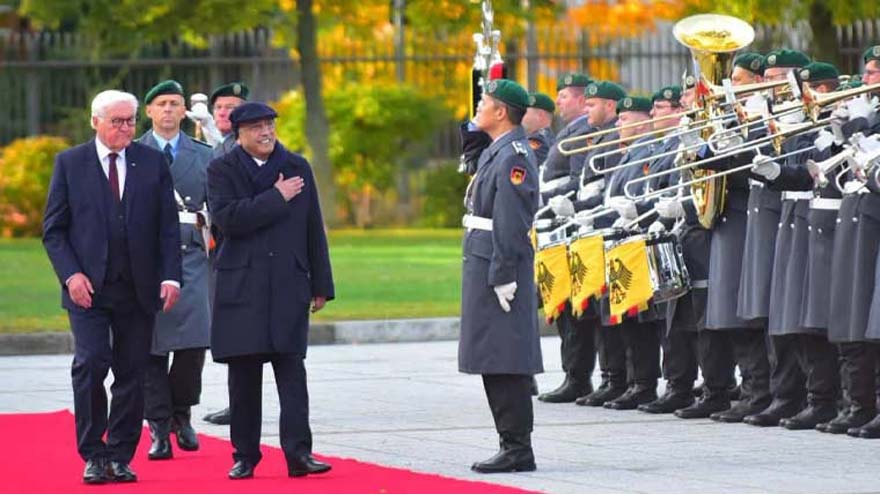
A magnificent celebration was hosted in honour of President Asif Ali Zardari at the Ministry of Defence in Germany. Additionally, a guard of honour was presented to him at this event.
Upon President Zardari’s arrival at the German Ministry of Defence, German President Frank-Walter Steinmeier extended a warm welcome to him. The ceremony included the playing of the national anthems of both countries, as well as the presentation of a guard of honour to the president of Pakistan.
In response to President Steinmeier’s invitation, President Zardari is currently taking a trip to Germany. Due to the fact that this is the first time in almost 23 years that a Pakistani head of state has travelled to Germany, the visit is of great significance.
During this year, Pakistan and Germany are also commemorating the 75th anniversary of the foundation of their diplomatic relations with one another.
During the course of his tour, President Zardari will meet with his German counterpart as well as senior officials from the German government. He will also be accompanied by a high-level team.
The topics that will be discussed include bilateral ties, events in the area and the world as a whole, and strategies to improve economic and trade cooperation between the two countries.
Pakistan and Germany are expected to deepen their collaboration in a variety of fields as a result of President Zardari’s visit, which is likely to add new momentum to the bilateral relations between the two countries.

Pakistan begins issuing e-passports at diplomatic missions worldwide

Interior Minister Naqvi warns against online fraud, cybercrime and blackmail

German defence ministry accords guard of honour to President Zardari

ICC board meeting in India: Mohsin Naqvi gets invitation

‘Self-Reliance in Digital ID’: NADRA launches locally produced QR code-based National Identity Card

23 people have died during the monsoon as rain-related incidents plague Punjab and KP.
-
 Latest News5 months ago
ICC board meeting in India: Mohsin Naqvi gets invitation
-
 Latest News2 months ago
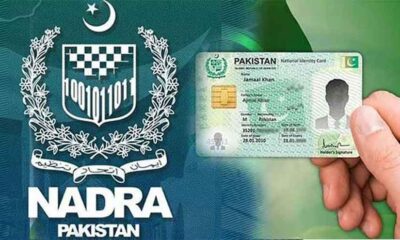
‘Self-Reliance in Digital ID’: NADRA launches locally produced QR code-based National Identity Card
-
 Latest News3 months ago
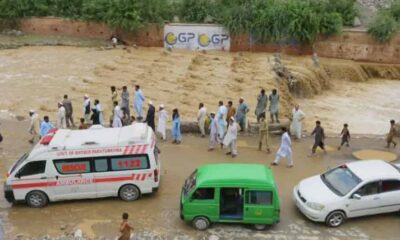
23 people have died during the monsoon as rain-related incidents plague Punjab and KP.
-
 Latest News2 months ago
Turkish FM, Dar discuss regional trends, bilateral connections
-
 Business3 months ago
Govt dedicated to resolving Balochistan issues: Dar
-
 Latest News3 months ago
Pakistan making rapid progress in robotics, AI: Shaza Fatima
-

 Entertainment5 months ago
Interim bail given to YouTuber Rajab Butt in gambling app marketing case
-
 Latest News3 months ago
After a divorce, LHC decides that women who have been harmed by their spouses get their dower.