
Latest News
Security personnel stop a suicide attempt on a South Waziristan checkpoint, killing four terrorists.

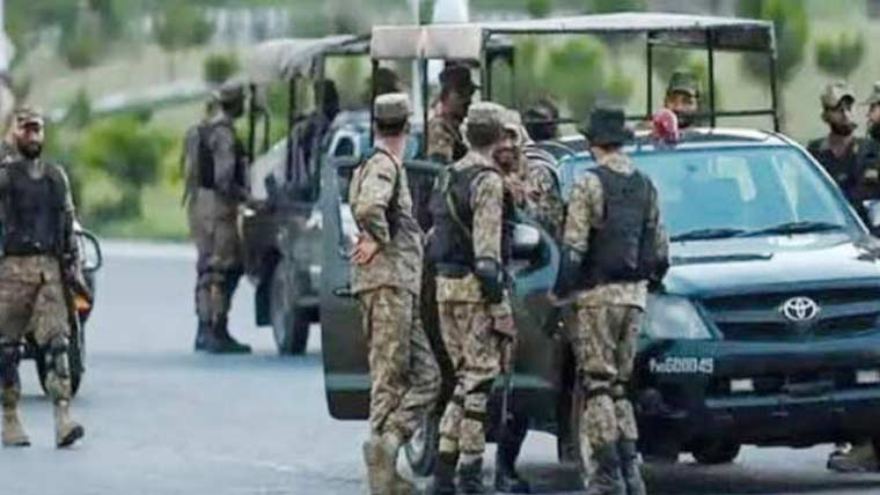
The military’s media wing said Saturday that four militants, including a suicide bomber, were killed in a coordinated response by security forces to a failed terrorist attack on a security forces check station in South Waziristan District.
The Inter-Services Public Relations (ISPR) said the attackers were from the Indian-sponsored Fitna Al Khwarij and attempted to overrun the check post. The military stated it had repelled the attack effectively, with no security personnel killed.
The ISPR said that the militants tried to breach the security of the check post but were given a fast and firm response by forces deployed at the check post. Security officers foiled the attack before the assailants could breach the post’s defences.
The military said it attacked and destroyed an explosive-laden vehicle driven by a suicide bomber outside the boundaries of the check station. The car blew up before reaching its destination, killing the suicide bomber and causing little damage to the installation.
The ISPR added that the timely action of security personnel prevented the attack from achieving its intended objective.
The other three militants ran into a nearby compound when security personnel shot at them after the truck was destroyed.
“The troops cordoned off the militants and accurately targeted them in a deliberate clearance operation,” the ISPR added. All three were slain in the operation and security forces claimed no injuries on their side.
The military said the response was a demonstration of the professionalism, vigilance and courage of security forces posted in the area.
Sanitization operation is underway in the surrounding area to flush out any other Indian-sponsored militants who may be present.
The security forces and law enforcement agencies would continue their counter-terrorism campaign with the aim of eliminating foreign-sponsored and supported terrorism from the country under the vision of Azm-e-Istehkam approved by the Federal Apex Committee on National Action Plan, the military’s media wing said.
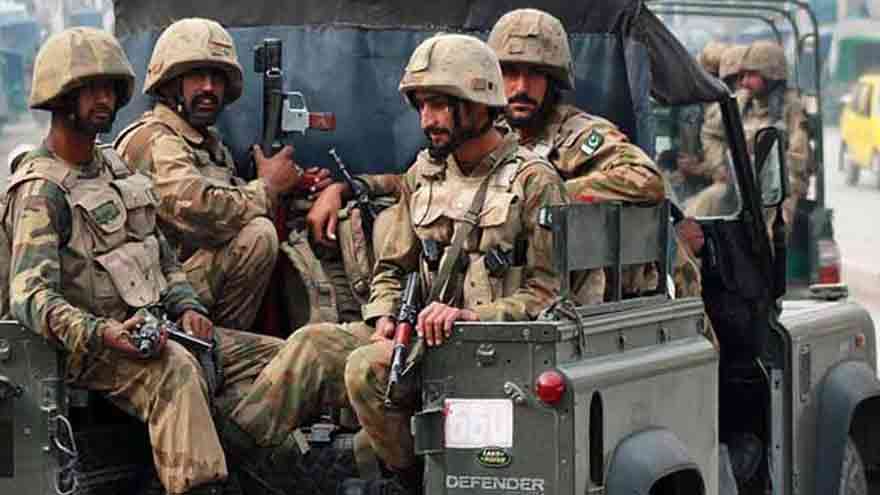
– Security forces have killed five terrorists and injured four others during an intelligence-based operation in the Palantak area of Washuk district in Balochistan, according to security sources.
The operation was conducted as part of ongoing security actions against Fitna al-Hindustan under Operation Raddul Fitna 3.
Security sources said weapons and ammunition were recovered from the militants killed during the operation. The recovered items included an RPG-7 launcher, five rounds, magazines, five advanced weapons, three mobile phones and two motorcycles.
The sources said militant hideouts were targeted with advanced weapons during the operation.
The militants killed in the operation were involved in looting local Baloch residents, spreading fear and damaging infrastructure.
Security forces have reiterated their commitment to eliminating terrorism in Balochistan, with operations set to continue until the threat is eliminated.
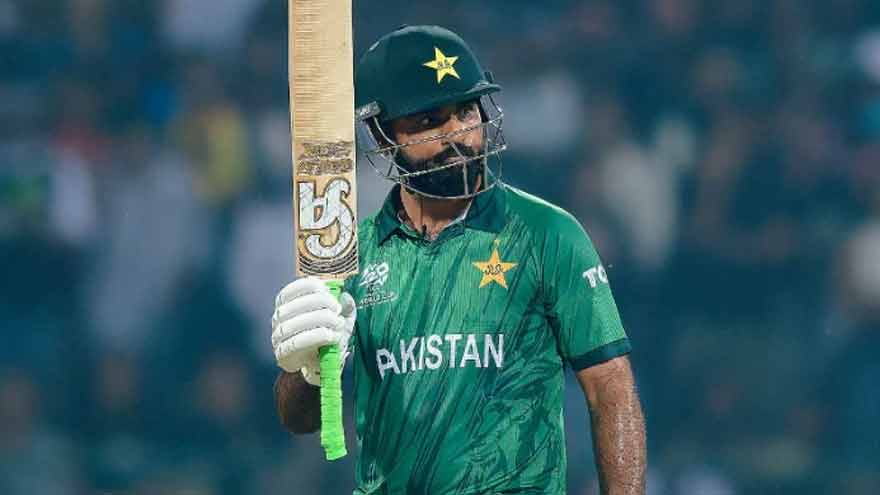
Pakistan’s senior opener Fakhar Zaman achieved a landmark in the third and final T20 International against Sri Lanka, becoming the first Pakistani hitter to hit 100 sixes in men’s T20I cricket.
The 36-year-old achieved the feat at Rawalpindi Cricket Stadium after he smashed Sri Lankan fast bowler Binura Fernando for six over deep midwicket.
Before today’s match, Fakhar had hit 99 sixes and needed just one more to reach the historic milestone.
However, he did not last long as he was sent back by Eshan Malinga after scoring 12 runs off seven balls.
In the meantime, Sri Lanka chased down Pakistan’s goal with Kusal Mendis shining with the bat as the visitors registered an eight-wicket win.
Latest News
Pakistan lift T20I series trophy despite defeat as Sri Lanka chase 169 with 17 balls to spare
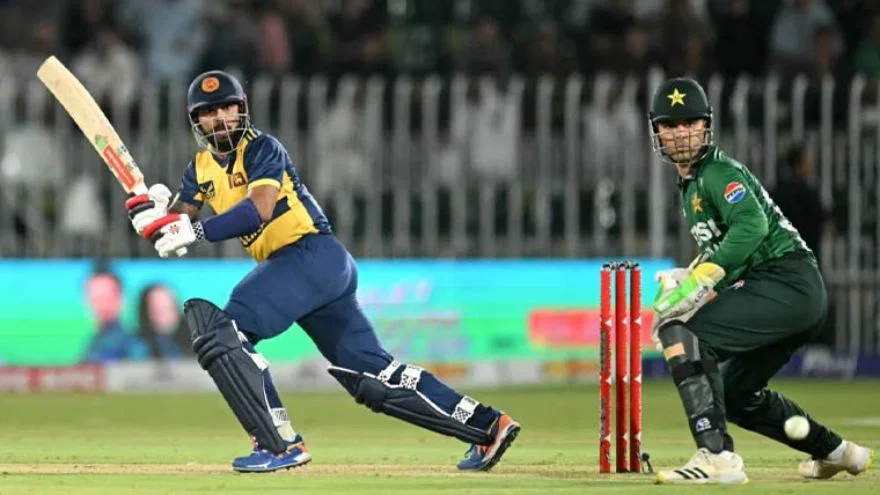
Sri Lanka captain Kusal Mendis scored a brisk unbeaten 87 as his side cruised to an eight-wicket victory against Pakistan in the third and final T20 International at Rawalpindi Cricket Stadium on Tuesday.
The visitors reached the target of 169 with 17 balls to spare, halting Pakistan’s winning streak in the series. But victory in the first two games meant Pakistan clinched the three-match series 2-1.
Kusal led the chase with an aggressive innings and Kamindu Mendis, with an unbroken 40, offered important support as Sri Lanka concluded at 171-2 in 17.1 overs. The visitors recovered from an early setback to take control of the affair, with Sineth Jayawardena also chipping in with a quick 38.
Farhan guides Pakistan recovery
Pakistan batted first and scored 168-8 in their 20 overs, with skipper Sahibzada Farhan top hitting with a blistering 76 off 47 balls.
Fakhar Zaman and Farhan gave Pakistan an aggressive start adding 34 runs in first three overs. Sri Lanka spinner Eshan Malinga, however, broke the hosts’ enthusiasm by getting the wickets of Fakhar for 12 in the fourth over and in-form batsman Maaz Sadaqat for a duck.
Hasan Nawaz joined Farhan at the crease and the two added 33 runs before Hasan was dismissed by Vijayakanth Viyaskanth for 16 off 17 balls in the ninth over. Pakistan lost another wicket in the next over as Dasun Shanaka removed wicketkeeper-batter Khawaja Nafay for three.
Shanaka kept up the pressure on the middle order, sending Mohammad Imran (six) and Abdul Samad (15) packing as Pakistan slumped to 102-6.
Farhan then found a vital ally in Arafat Minhas and the pair reinvigorated the innings with a stand of 66 runs. Minhas was 34 from 20 balls with two fours and two sixes while Farhan hit seven fours and three sixes before falling to Nuwan Thushara on the penultimate delivery.
Thushara then took his second wicket in the last over, bowling Razaullah for a duck to leave Pakistan short of 170.
Shanaka was Sri Lanka’s most successful bowler, taking three for 21 in four overs. Malinga and Thushara grabbed two wickets apiece, while Viyaskanth had one.
Kusal steps up
Sri Lanka’s chase got off to a shaky start when Mohammad Imran Randhawa caught Lahiru Udara lbw for one in the second over as the visitors slipped to 15-1.
Kusal reached No. 3 and joined Jayawardena to rebuild the innings. The pair combined 59 for the second wicket and once again put Pakistan under pressure with a positive attitude.
Arafat Minhas broke the partnership on the last delivery of the eighth over, removing Jayawardena for 38 off 26 balls. He struck five fours and two sixes to help Sri Lanka get off to a good start despite losing their second wicket.
Kamindu immediately joined his captain and the two ensured no further breakthroughs. Sri Lanka were 171-2 in 17.1 overs, with their third-wicket partnership undefeated on 92.
Kusal’s 48-ball 87 had nine fours and four sixes, while Kamindu’s 40 not came off 27 balls with four boundaries. Randhawa and Minhas were the sole wicket-takers for Pakistan.
Player of the series awarded to Farhan
Farhan was voted the player of the series for his exploits in the three T20Is despite Pakistan losing the last match. Sri Lanka won the last fixture after Pakistan had taken a 2-0 lead by winning the first two matches.
“Pakistan played well in the first two matches,” stated Farhan following the series triumph. He commended Minhas for his contribution. “The team wanted to keep up the good work and was happy with the overall performance of the side,” he said.

Security forces kill five terrorists in Balochistan’s Washuk

Fakhar Zaman becomes first Pakistani to hit 100 sixes in T20 Internationals

Pakistan lift T20I series trophy despite defeat as Sri Lanka chase 169 with 17 balls to spare

ICC board meeting in India: Mohsin Naqvi gets invitation

‘Self-Reliance in Digital ID’: NADRA launches locally produced QR code-based National Identity Card

23 people have died during the monsoon as rain-related incidents plague Punjab and KP.
-
 Latest News5 months ago
ICC board meeting in India: Mohsin Naqvi gets invitation
-
 Latest News2 months ago
‘Self-Reliance in Digital ID’: NADRA launches locally produced QR code-based National Identity Card
-
 Latest News3 months ago
23 people have died during the monsoon as rain-related incidents plague Punjab and KP.
-

 Latest News2 months ago
Turkish FM, Dar discuss regional trends, bilateral connections
-
 Business3 months ago
Govt dedicated to resolving Balochistan issues: Dar
-
 Latest News3 months ago
Pakistan making rapid progress in robotics, AI: Shaza Fatima
-

 Entertainment5 months ago
Interim bail given to YouTuber Rajab Butt in gambling app marketing case
-

 Latest News3 months ago
After a divorce, LHC decides that women who have been harmed by their spouses get their dower.