
Business
Due to weather and war, global food prices reached a three-year high in July, according to the FAO.

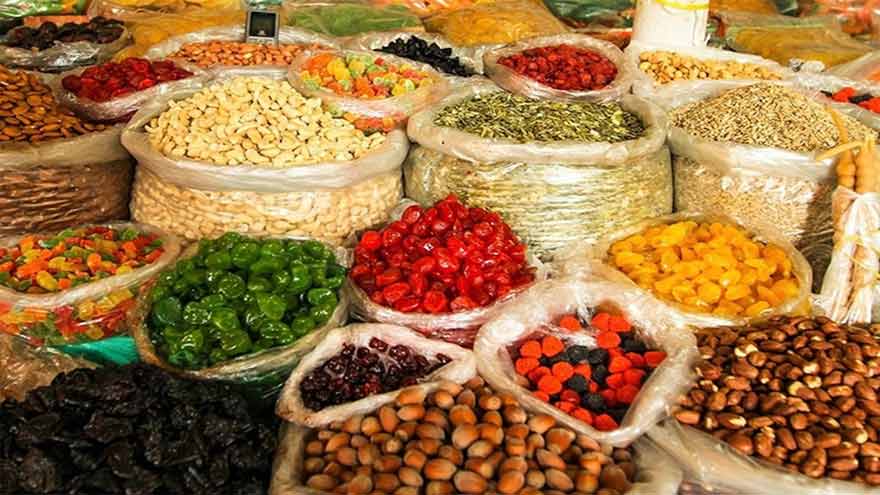
– World food prices rose in July to their highest in more than three years as adverse weather and war escalation in the Gulf and Black Sea supported crop markets, the United Nations’ Food and Agriculture Organization said on Friday.
The FAO Food Price Index, which tracks monthly changes in a basket of internationally traded food commodities, averaged 131.1 points in July, up from 130.3 in June and the highest reading since January 2023.
The FAO’s chief economist told Reuters this week that the world faces another bout of food inflation as wars in Iran and Ukraine along with El Nino create a perfect storm of higher costs and lower crop yields.
A 3.4% month-on-month rise in the FAO’s cereal price index drove the July trend, fuelled in turn by a 5.8% jump in wheat prices, the agency said.
Wheat markets were affected by concerns over Black Sea export disruptions and heat damage to crops in key producing regions, it said.
The FAO’s vegetable oil index rose 2% to its highest level since June 2022.
Higher crude oil prices amid escalation in the Iran war and strong demand for biodiesel supported palm and soy oil prices, though rapeseed and sunflower oil declined.
Sugar prices rose 5.6% on weather concerns in Europe and Asia and expectations of stronger ethanol demand in Brazil.
In contrast, meat prices fell 2.8% from a record high in June, FAO said.
Poultry, pig and bovine meat prices declined, though sheep meat prices reached a record high amid tight export supplies in Oceania. Dairy prices fell 0.7%.
The FAO’s overall food price index reading for July was slightly above a previous three-year high in April.
The latest reading was nonetheless 18.2% below its March 2022 peak that followed Russia’s full-scale invasion of Ukraine.
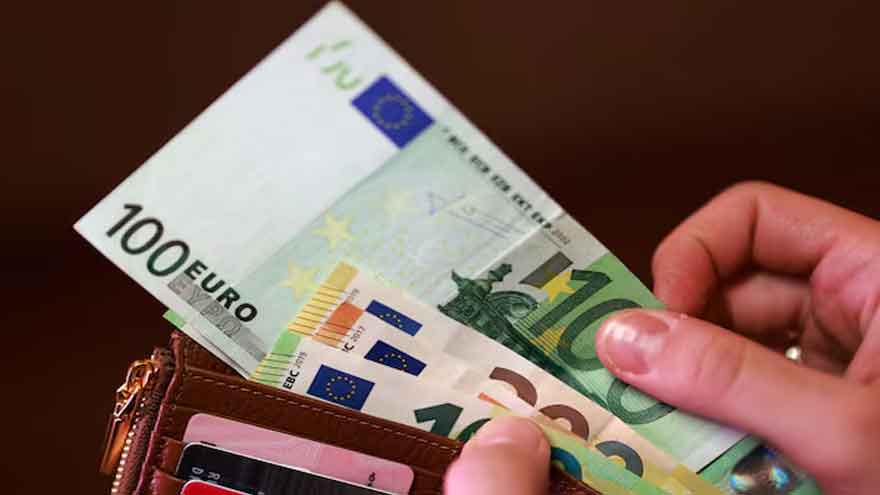
The dollar rose from near its lowest levels of the month at the start of trading in Asia on Monday, as violent protests in France put pressure on the euro.
The euro was 0.1% down at $1.1225 at the start of Asian trading. The dollar index was most heavily weighted toward the common currency and its decline helped calm the greenback, which was trading flat at 101.83.
French President Emmanuel Macron criticised “shocking” displays of violence on the fringes of protests over the cost of living in a televised speech to the country on Sunday, a day after France had one of its worst days of unrest in years.‘The weekend disturbance does matter for the euro mostly through French bonds rather than directly,’ Kieran Williams, head of Asia FX at InTouch Capital Markets in London, said.
Bank of Japan Governor Kazuo Ueda said on Monday underlying inflation is “quite close” to the central bank’s 2% objective, with the US dollar unchanged at 158.00 yen on the yen.
The U.S. dollar was unchanged at 6.6842 yuan in offshore trade ahead of the announcement of Chinese third-quarter GDP statistics. China’s economy likely improved marginally in the time from a more-than three-year low.
A lot of attention in emerging market Asia will be on the Indonesian rupiah, after a threat from MSCI to downgrade the nation’s stock market to “standalone” status last week sent shares into an 11.6% plunge. The rupiah closed at 18,000 versus the dollar on Friday, its lowest in nearly three months.
The Australian dollar was 0.3% higher at $0.6965 and the kiwi was steady at $0.5656. The British pound stayed steady at $1.3329.
Oil prices fell when Asian trade began on Monday, with Brent oil futures down 1.7% at $108.02, after US President Donald Trump waived sanctions and tariffs on Russia that may lead to additional Russian fuel shipments.

Pakistani freelancers created a new record in the country’s digital economy by earning the most amount of foreign currencies in September 2026.
Figures indicate exports by freelancers hit a record $197 million last month, up 49 percent year-on-year and 11 percent month-on-month in September 2026.
Pakistani freelancers have exported services worth $550 million from July to September 2026, representing a substantial 46% growth in export profits in the first quarter of the current fiscal year.
Note that before, Pakistani freelancers earned foreign currencies of $1.76 billion in the fiscal year 2025-26.
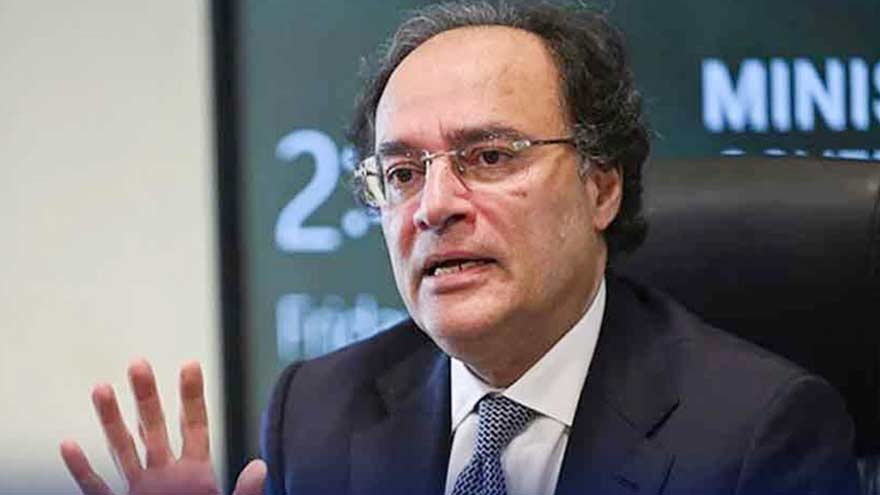
ISLAMABAD: Finance Minister Muhammad Aurangzeb said on Saturday Pakistan had so far been able to weather the shock from the soaring oil costs due to the Iran war but attacks on infrastructure in Saudi Arabia and other Gulf countries were “worrying” for the country’s longer-term economic prospects.
“We have enough energy supplies for November and we are preparing for the winter months when the demand of households goes up,” Aurangzeb told AFP on the sidelines of the IMF-World Bank Annual Meetings in Bangkok.“Pakistan has negotiated well the first order impact,” he remarked.”We have had no shortage, no queues at the gas stations and no law and order situation which at times we have seen in some of the countries,” he said.
“The government would not be procuring spot cargoes on the LNG front unless it saw an absolute dire need,” he said. These are often much more expensive than contracted cargoes.
Since the United States and ally Israel began the war on Iran in February, global energy prices have skyrocketed, with Tehran’s retaliatory action against Washington’s Gulf allies, and curbing supply of oil and gas.
And with Yemen’s civil conflict flaring up again, the Houthis there have frequently assaulted Saudi infrastructure like energy installations and airports in recent days.
“Damage to such sites will only prolong the restoration to economic normalcy,” Aurangzeb said. “I am alarmed about the escalation.“The scary part of it is when the energy infrastructure starts getting hit now,” he warned.To be very honest I don’t know where that would go. But one thing is very clear: if the infrastructure continues to get hammered, the return to normalcy, even if things subside, will be longer,” he said.Pushback
Pakistan is a regular customer of the International Monetary Fund (IMF), the lender of last resort to countries teetering on default.
Since independence in 1947, it is now in the middle of its 25th program with the Fund – at least 11 of which have been full-fledged bailouts.
The present program is worth about $7 billion over three years and the Fund agreed last month to disburse a $1.2 billion tranche.
The Fund urged on all economies, even those most vulnerable to the shock of the Iran conflict, to engage in fiscal consolidation at this year’s annual meetings to avoid a possible crisis given the high levels of global debt stocks. ““We have been on this fiscal consolidation path for a while, thankfully for us,” Aurangzeb added with rueful smile.
In recent years tax revenues of the country have expanded considerably and the finance minister indicated that the government was targeting the theft of taxes by private sector enterprises who collected sales tax from consumers but never paid it into government accounts.
The theft was in the billions of dollars, Aurangzeb said, adding that there was “room for improvement” in strengthening income tax collection.
He claimed industry, lobbying groups and vested interests had resisted the government’s reform agenda.“Every reform, every thing you try to do when you try to change the status quo, there is pushback,” he said.

PCB to observe Breast Cancer Awareness Day during Pakistan v England ODI in Lahore

Iran urges US to accept proposal to reopen Strait of Hormuz

Bilawal calls for unity against terrorism, says Fazlur Rehman can help end emergency in KP

ICC board meeting in India: Mohsin Naqvi gets invitation

‘Self-Reliance in Digital ID’: NADRA launches locally produced QR code-based National Identity Card

23 people have died during the monsoon as rain-related incidents plague Punjab and KP.
-
 Latest News5 months ago
ICC board meeting in India: Mohsin Naqvi gets invitation
-
 Latest News2 months ago
‘Self-Reliance in Digital ID’: NADRA launches locally produced QR code-based National Identity Card
-
 Latest News3 months ago
23 people have died during the monsoon as rain-related incidents plague Punjab and KP.
-

 Latest News2 months ago
Turkish FM, Dar discuss regional trends, bilateral connections
-
 Business3 months ago
Govt dedicated to resolving Balochistan issues: Dar
-

 Latest News3 months ago
Pakistan making rapid progress in robotics, AI: Shaza Fatima
-

 Entertainment5 months ago
Interim bail given to YouTuber Rajab Butt in gambling app marketing case
-
 Latest News3 months ago
After a divorce, LHC decides that women who have been harmed by their spouses get their dower.