
Pakistan
Shaheen Afridi dropped from Test squad by PCB


The Pakistan Cricket Board (PCB) has reportedly decided to exclude ODI captain Shaheen Shah Afridi from the Test setup forever and the fast bowler has not been enrolled in the national Test camp.
Reports claim that the PCB research group has not picked Shaheen Afridi for a big reorganisation plan. But he has been placed in the white-ball group which contains 27 players.
The PCB has invited 49 players for a training camp in Lahore, sources said. Of the 49, 22 players are shortlisted for the red-ball (Test) camp and 27 players are included in the ODI and T20 camp.
The white-ball camp is set to start from September 18 while the red-ball camp would run till July 10, officials added. The camp for the West Indies tour is likely to commence from July 15.
It has been established through reports that Shaheen Afridi, the ODI side captain of Pakistan, has not been included in the Test camp squad. He is slated to join the other selected players in the white-ball camp on June 15.
Shaheen Afridi, 26, made his Test debut in December 2017 against New Zealand in Abu Dhabi and his last Test was in May 2026 against Bangladesh at Mirpur. He has got 126 wickets in 34 Test matches he has played.
In Pakistan’s last Test against Bangladesh, he took 3/113 in the first innings and 2/54 in the second innings but the side lost by 104 runs. He was left out for the second Test in Sylhet.
The left-arm pacer was under scanner for his reduced bowling speed on the Bangladesh tour where his pace was reported to be down from his usual 140+ km/hr spells in the domestic cricket.
PCB also raised worries over his lack of first-class experience, saying that lack of red-ball experience might be harming his Test performance.
The reports said that, considering these aspects, a decision has been taken to exclude the ODI skipper from the future Test selection plans.
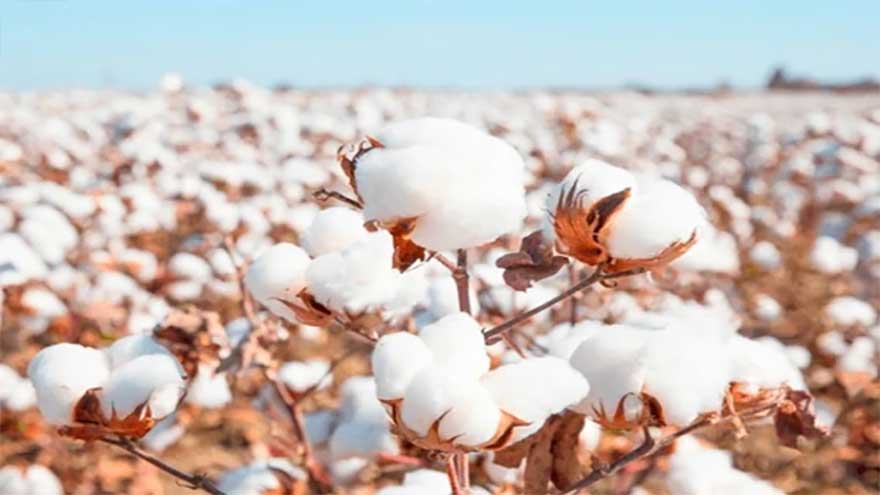
Pakistan is the only major cotton-producing country to have had such a dramatic loss and its production has fallen by more than 60% in the past decade, said Ehsanul Haq, chairman of the Cotton Ginners Forum.
Haq added in a statement that lax enforcement of agricultural zoning laws, too much sugarcane planting in designated cotton-growing areas and setting up of new sugar mills were the main causes for the fall.
He urged on enforcement of crop zoning restrictions and preventing sugarcane cultivation in cotton belts to bring back local cotton production. He added after efficient execution of the zoning laws, enhancements should be made to cotton research stations and other supporting measures.
Haq further demanded to provide a legal structure to the planned Pakistan Cotton Board under the leadership of All Pakistan Textile Mills Association (APTMA. He advocated that the Pakistan Central Cotton Committee (PCCC) and its subordinate institutions should be placed under the proposed board.
The reduction in domestic cotton production and quality has created a crisis in the local cotton sector, making Pakistan more dependent on imported cotton and edible oil, putting more pressure on foreign exchange reserves, Haq said.
He claimed the government has failed to come up with a viable strategy to reverse the drop despite a high-level meeting chaired by the Deputy Prime Minister Ishaq Dar approximately a year ago, which decided to establish a cotton board under the direction of APTMA.
Signs have emerged that the decision has started to be implemented after a year of delay, he said.
The proposed board could include representatives of the Pakistan Cotton Ginners Association (PCGA), the Karachi Cotton Association (KCA), the Federation of Pakistan Chambers of Commerce and Industry (FPCCI), the National Textile Education Council, private seed companies and concerned government institutions.
Haq also called upon the federal and provincial governments to focus the enforcement of crop zoning restrictions and improve the Pakistan Meteorological Department so that it could deliver prompt and accurate weather forecasts to farmers.
“Cotton prices came under pressure last week due to financial difficulties in the sector, limited buying by textile mills, imports of yarn and fabric under the Export Facilitation Scheme and government inspections of cotton ginning factories,” he said.
Cotton prices fell to Rs18,500 from Rs18,500 per maund, a drop of Rs200, Haq said.
He also expressed concern over the reports of financial scandals involving billions of rupees in the yarn market of Faisalabad and millions of rupees in several cotton ginning facilities in Sindh, saying these developments have added to the uncertainty across the sector.

Two persons were killed after a van hit their motorbike near Jhang bypass in Punjab on Sunday, rescue officials said.
Rescue authorities say the accident occurred when the vehicle crashed into the motorcycle, killing both riders at the scene.
The two victims were riding the motorbike toward Faisalabad when the crash took place, officials said.
After getting word about the tragedy, rescue personnel rushed the spot and moved the bodies to a hospital.
No further information was immediately available on the identity of the victims or the events that led to the crash.

A van plunged into a ravine here on Sunday, killing seven people, including women and children, and injuring eight more.
The injured were transferred to Holy Family Hospital Rawalpindi for medical treatment where two of them are said to be in serious condition.
“There were 17 people in the van when the driver lost control and it fell in a ditch,” said Nighat Bibi, a woman who survived the tragedy.
The truck fell down the ravine and the explosion of a petrol cylinder caused a fire that caused several casualties.
Some of the victims’ bodies were terribly burnt and had become unrecognisable, Nighat Bibi added.
Rescue and medical teams reached the spot, while the injured are being treated at Holy Family Hospital in Rawalpindi.

Lula, Brazil’s iconic working class president, wins fourth term in dramatic comeback

Sahibzada Farhan replaces Saim Ayub in Pakistan ODI squad for tri-series matches

Pakistan’s cotton production plunges 60pc in a decade, says ginners’ chief

ICC board meeting in India: Mohsin Naqvi gets invitation

‘Self-Reliance in Digital ID’: NADRA launches locally produced QR code-based National Identity Card

23 people have died during the monsoon as rain-related incidents plague Punjab and KP.
-
 Latest News5 months ago
ICC board meeting in India: Mohsin Naqvi gets invitation
-
 Latest News2 months ago
‘Self-Reliance in Digital ID’: NADRA launches locally produced QR code-based National Identity Card
-
 Latest News3 months ago
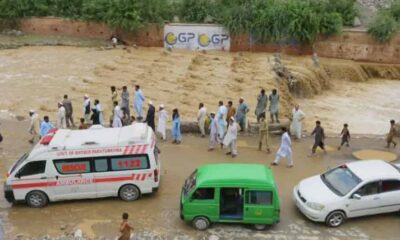
23 people have died during the monsoon as rain-related incidents plague Punjab and KP.
-

 Latest News2 months ago
Turkish FM, Dar discuss regional trends, bilateral connections
-
 Business3 months ago
Govt dedicated to resolving Balochistan issues: Dar
-
 Latest News3 months ago
Pakistan making rapid progress in robotics, AI: Shaza Fatima
-

 Entertainment5 months ago
Interim bail given to YouTuber Rajab Butt in gambling app marketing case
-

 Latest News3 months ago
After a divorce, LHC decides that women who have been harmed by their spouses get their dower.