
Latest News
Bilawal Bhutto Reaches Skardu to Initiate Gilgit-Baltistan Election Drive

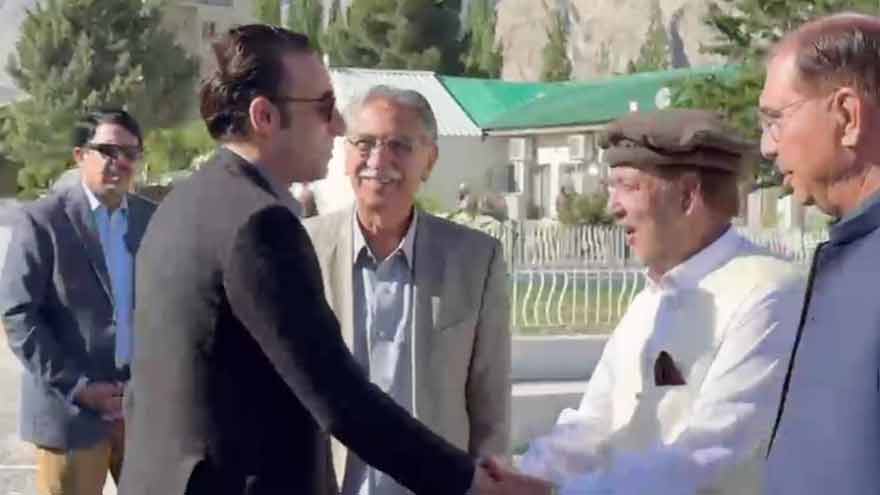
The Chairman of the Pakistan Peoples Party, Bilawal Bhutto Zardari, arrived in Skardu on Monday in order to open the electoral campaign of his party in Gilgit-Baltistan. He also had plans to appear at many public forums throughout a number of different districts.
Upon his arrival in Skardu, Bilawal Bhutto Zardari was welcomed by prominent party leaders and government officials. Among those who gathered to greet him were PPP Parliamentarians Secretary General Nayar Bukhari, PPP Secretary General Humayun Khan, Gilgit-Baltistan Governor Syed Mehdi Shah, and Punjab Governor Sardar Saleem Haider.
Many other party leaders and officials were also in attendance at the reception. Nadeem Afzal Chan, the Central Information Secretary of the PPP, was one of the individuals that were present, along with other high-ranking party leaders.
As part of his campaign for the election, the chairman of the PPP is scheduled to deliver a speech at a public rally in the Gulabpur Tehsil of the Shigar district. The gathering is expected to mark the beginning of his campaign efforts in the region prior to the elections that are due to take place in the near future.
During his tour, Bilawal Bhutto Zardari will address electoral rallies in Skardu, Chilas, Ghizer and Gilgit, where he is expected to announce the party’s strategy and garner support for PPP candidates contesting the polls in Gilgit-Baltistan.
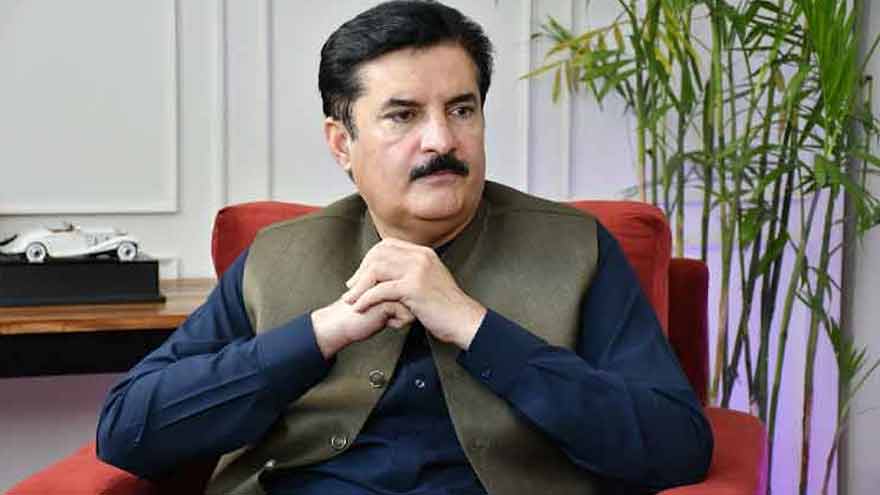
Khyber Pakhtunkhwa Governor Faisal Karim Kundi has said that an emergency will be imposed if necessary to save the province, arguing that the prevailing situation could provide grounds for such a measure.
Speaking to a private television channel, Kundi said that when the situation in the province reaches such a point, the president, prime minister and other relevant institutions may consider imposing an emergency.
The KP governor said that if an emergency or similar measure was imposed, he alone would be enough to deal with the situation. He claimed that those involved were currently hiding and getting themselves arrested.
Kundi said he did not make provocative statements like his opponents and would deal with them when the situation arose. Questioning the ongoing long march, he asked whether anything was actually happening in Peshawar, whether any corner meetings had been held or whether any banners had been seen.
He said the long march had so far only resulted in what he described as self-arrests and people going into hiding. Kundi challenged the participants to cross Swabi and said there appeared to be no proper planning behind the march.
The governor claimed that the protesters wanted the march to continue for a month but did not want to reach Swabi.
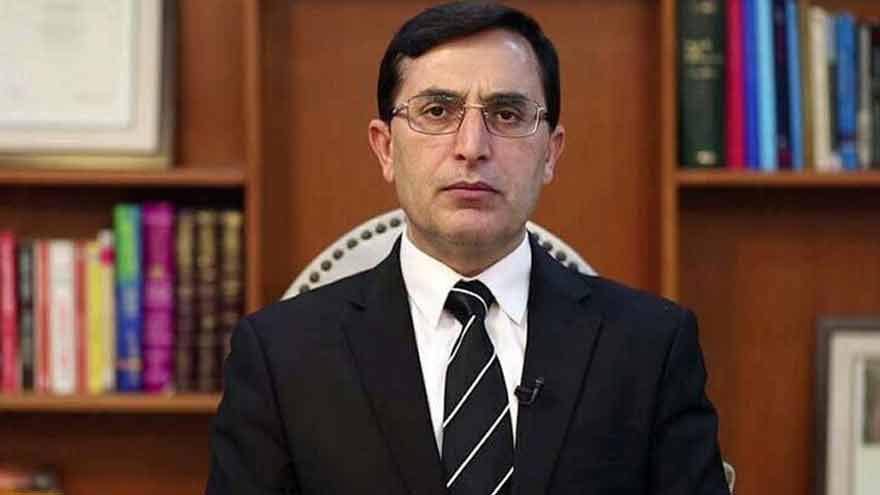
Pakistan Tehreek-e-Insaf (PTI) Chairman Barrister Gohar Ali Khan has said the party wants the negotiations with the government to be successful but the two parties had yet to decide when the next round of talks will take place.
Talking to reporters after a standoff arose between the government and PTI Gohar said that the party’s lengthy march would go forward as per schedule calling it the party’s right.
He said no step should be taken under the garb of the long march that could cause animosity, division or conflict among the people of Khyber Pakhtunkhwa or undermine the mandate, autonomy and powers of the province.
“There is no room for any measure against provincial rights or the public mandate, which will also be against the spirit of the 18th Amendment,” Gohar stated.
PTI chairman said: “The response to the long march should not be imposition of emergency or governor’s rule. He said there was still no decision on when the next government-PTI delegates meeting would be held.
Meanwhile, Federal Minister Talal Chaudhry said that several issues were agreed upon in the negotiations but the form of agreement was amended numerous times on the directions of the Khyber Pakhtunkhwa government.
He said the province government was not prepared to implement the National Action Plan and that was why the talks could not move forward.
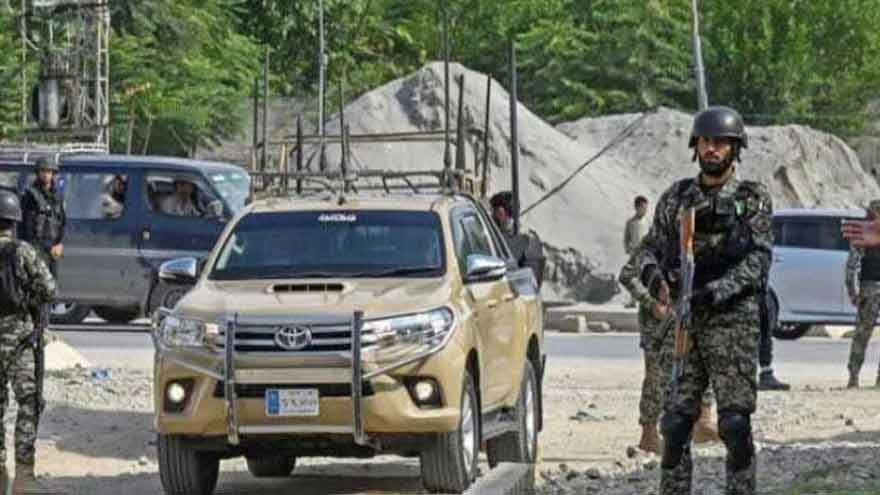
- Eight terrorists sponsored by India were killed in an intelligence-based operation carried out by security forces in Khyber Pakhtunkhwa’s Dera Ismail Khan province, security sources said on Sunday.
The operation was begun after sources said that intelligence assessments had suggested the presence of militants in the region. The operation left eight members of the group, including three of its top commanders, dead.
Security sources stated they had retrieved a considerable number of guns and ammunition and foreign currency from the insurgents.
Sources said that the operation was conducted under the government’s Azm-e-Istehkam vision to fight terrorism and to provide enduring peace and stability in the country.
Prime Minister Shehbaz Sharif congratulated the security forces for an excellent and timely operation against the extremists.
“The entire nation is behind the security forces in their fight against terrorism,” the prime minister added. He underlined the government’s intention to continue its operations against Fitna al-Khawarij until the menace of terrorism is removed.
Elimination of terrorism was vital for peace and stability in the country, the prime minister stated.
Interior Minister Mohsin Naqvi also praised the security forces for the successful operation against militants in Dera Ismail Khan.

KP governor warns of emergency in province if needed to rescue it

PTI long march to go forward as per schedule: Barrister Gohar

Security forces kill eight India-backed militants in KP’s DI Khan operation

ICC board meeting in India: Mohsin Naqvi gets invitation

23 people have died during the monsoon as rain-related incidents plague Punjab and KP.

‘Self-Reliance in Digital ID’: NADRA launches locally produced QR code-based National Identity Card
-
 Latest News5 months ago
ICC board meeting in India: Mohsin Naqvi gets invitation
-
 Latest News2 months ago
23 people have died during the monsoon as rain-related incidents plague Punjab and KP.
-
 Latest News2 months ago
‘Self-Reliance in Digital ID’: NADRA launches locally produced QR code-based National Identity Card
-
 Business3 months ago
Govt dedicated to resolving Balochistan issues: Dar
-
 Latest News2 months ago
Pakistan making rapid progress in robotics, AI: Shaza Fatima
-
 Latest News1 month ago
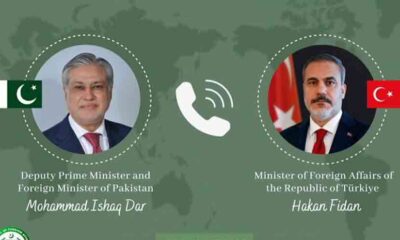
Turkish FM, Dar discuss regional trends, bilateral connections
-
 Entertainment5 months ago
Interim bail given to YouTuber Rajab Butt in gambling app marketing case
-
 Latest News2 months ago
After a divorce, LHC decides that women who have been harmed by their spouses get their dower.