
Business
The government gathers Rs1,430 billion in petroleum tax over 11 months of the ongoing fiscal year.

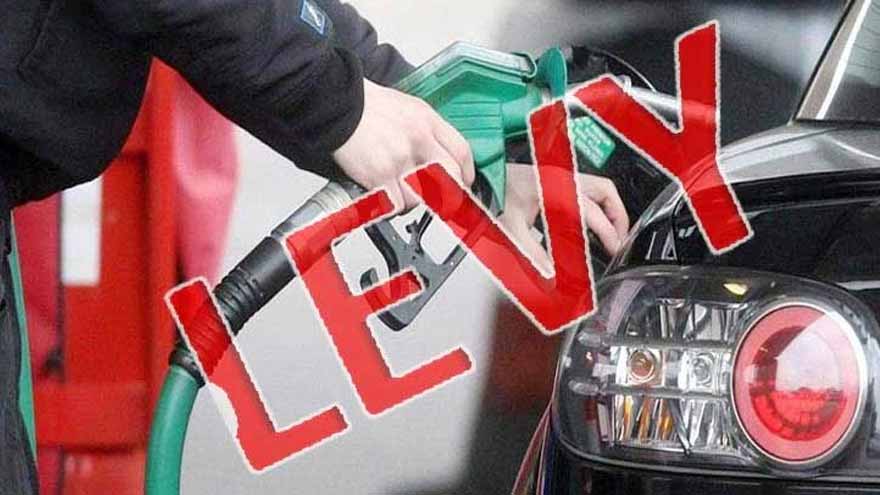
Pakistan has already exceeded its annual revenue target from the Petroleum Development Levy (PDL), collecting more than Rs1.43 trillion during the first eleven months of the current fiscal year, from July to May.
According to official data, the government is now on track to collect even more before the fiscal year ends, with estimates suggesting that an additional Rs100 billion could be generated in June. This would push total collections well beyond the original target of Rs1.468 trillion.
The sharp rise in revenue has been particularly noticeable in recent months. Over the last three months alone, the government collected around Rs373 billion from petroleum products, largely due to higher levy rates and stricter enforcement measures.
Monthly collections fluctuated throughout the year, starting at Rs157 billion in July. Revenues then stood at Rs103.46 billion in August, Rs112.85 billion in September, Rs143.48 billion in October, Rs148.36 billion in November, and Rs162.46 billion in December. Collections reached Rs108.76 billion in January, Rs120.39 billion in February, and Rs139.48 billion in March, before rising to about Rs146 billion in April. May contributed another Rs87.5 billion.
A closer look at the figures shows that Rs686.52 billion came from imported petroleum products, while Rs753.54 billion was generated from locally refined crude oil.
Officials say the stronger-than-expected performance was driven by higher levy rates introduced under the Finance Bill, in line with commitments made to the International Monetary Fund (IMF). At the same time, the government intensified efforts to curb fuel smuggling and improve tax compliance.
Authorities believe these enforcement measures have played a major role in boosting revenue. Customs Enforcement’s crackdown on illegal fuel trade helped shift sales into the formal market, increasing both recorded fuel consumption and tax collection. Meanwhile, the Federal Board of Revenue (FBR) identified 1,576 illegal fuel stations across the country and shut down 1,442 of them, further strengthening government revenues.
The figures highlight how a combination of higher levy rates and stricter enforcement has enabled the government to not only meet but exceed one of its key fiscal targets well before the end of the financial year.
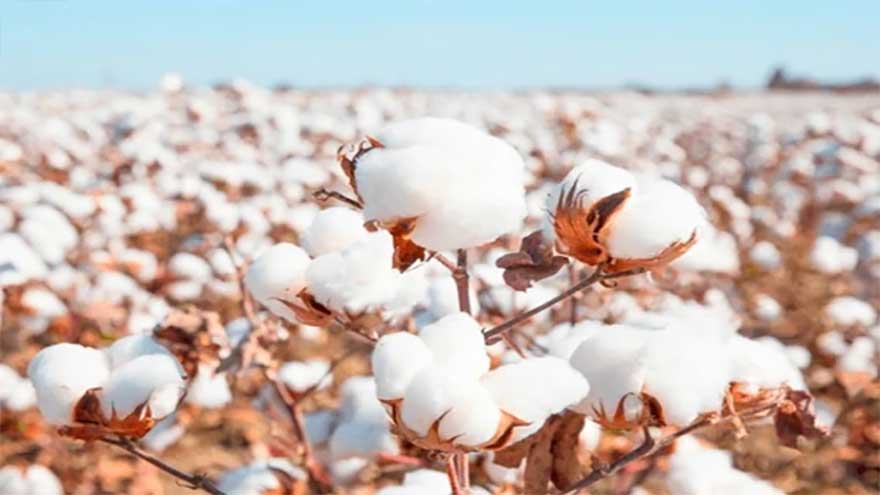
Pakistan is the only major cotton-producing country to have had such a dramatic loss and its production has fallen by more than 60% in the past decade, said Ehsanul Haq, chairman of the Cotton Ginners Forum.
Haq added in a statement that lax enforcement of agricultural zoning laws, too much sugarcane planting in designated cotton-growing areas and setting up of new sugar mills were the main causes for the fall.
He urged on enforcement of crop zoning restrictions and preventing sugarcane cultivation in cotton belts to bring back local cotton production. He added after efficient execution of the zoning laws, enhancements should be made to cotton research stations and other supporting measures.
Haq further demanded to provide a legal structure to the planned Pakistan Cotton Board under the leadership of All Pakistan Textile Mills Association (APTMA. He advocated that the Pakistan Central Cotton Committee (PCCC) and its subordinate institutions should be placed under the proposed board.
The reduction in domestic cotton production and quality has created a crisis in the local cotton sector, making Pakistan more dependent on imported cotton and edible oil, putting more pressure on foreign exchange reserves, Haq said.
He claimed the government has failed to come up with a viable strategy to reverse the drop despite a high-level meeting chaired by the Deputy Prime Minister Ishaq Dar approximately a year ago, which decided to establish a cotton board under the direction of APTMA.
Signs have emerged that the decision has started to be implemented after a year of delay, he said.
The proposed board could include representatives of the Pakistan Cotton Ginners Association (PCGA), the Karachi Cotton Association (KCA), the Federation of Pakistan Chambers of Commerce and Industry (FPCCI), the National Textile Education Council, private seed companies and concerned government institutions.
Haq also called upon the federal and provincial governments to focus the enforcement of crop zoning restrictions and improve the Pakistan Meteorological Department so that it could deliver prompt and accurate weather forecasts to farmers.
“Cotton prices came under pressure last week due to financial difficulties in the sector, limited buying by textile mills, imports of yarn and fabric under the Export Facilitation Scheme and government inspections of cotton ginning factories,” he said.
Cotton prices fell to Rs18,500 from Rs18,500 per maund, a drop of Rs200, Haq said.
He also expressed concern over the reports of financial scandals involving billions of rupees in the yarn market of Faisalabad and millions of rupees in several cotton ginning facilities in Sindh, saying these developments have added to the uncertainty across the sector.
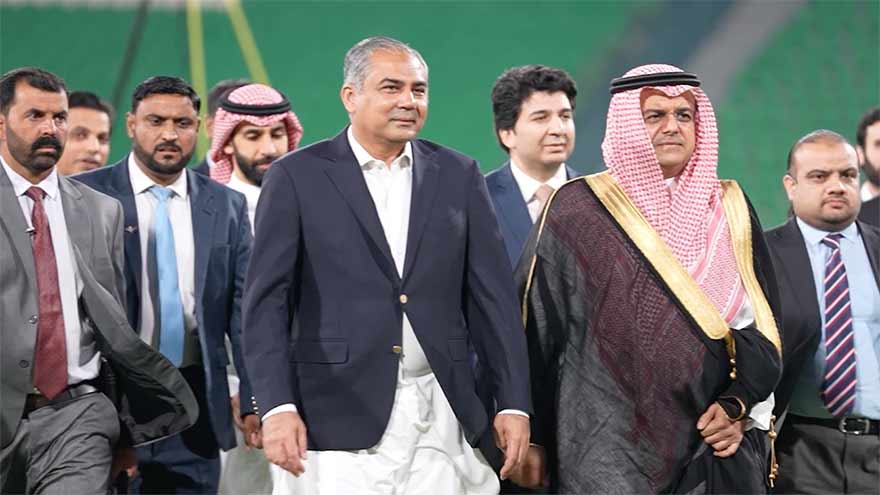
Saudi investors will fund a theme park in Islamabad, Pakistan’s interior ministry said on Sunday, in what it called a “first-of-its-kind” as Pakistan strives to attract foreign investment and construct new infrastructure.
The declaration came after Prince Mansour bin Mohammed Al-Saud, chairman of the Saudi-Pakistan Business Council (SPBC), and Sohail Ashraf, chairman of the Capital Development Authority (CDA), signed a memorandum of understanding (MoU) in Lahore, a city in the east of Pakistan.
The declaration comes as efforts to boost economic connections between Pakistan and Saudi Arabia are on the rise, with real estate, infrastructure and property development showing up as promising sectors for cross-border investments.
The deal for Pakistan’s first theme park project was signed in Lahore at Qaddafi Stadium in the presence of Interior Minister Mohsin Naqvi.
Under the deal Saudi Arabian investors will invest in the theme park project in Islamabad, the interior ministry stated. “The theme park is to be provided by CDA with land.
Mohsin welcomed signing of the MoU and said that the infrastructure of Islamabad was being constructed on the pattern of most contemporary cities of the globe.
He was cited as saying that “there are also plans to have a roadshow in Saudi Arabia in the coming months on real estate.”
“The theme park will be a game changing project,” Naqvi remarked. “All possible facilities will be provided to Saudi investors.
Earlier this week, three days of Saudi–Pakistan Real Estate Exhibition was held in Lahore, eastern city of Pakistan, showcasing real estate investment potential in the Kingdom.

The Pakistan Stock Exchange (PSX) began down on Monday as investors feared a possible hike in interest rates.
The benchmark KSE-100 Index fell almost 1,000 points to 161,250 points in early trade.
This latest fall followed a dismal close in the previous trading session when the KSE-100 Index lost 1,549 points to settle at 162,374 points.
Selling pressure remains in the stock market as investors fret about a likely interest rate hike, adding to uncertainty over how the market will perform.
The State Bank of Pakistan (SBP) Monetary Policy Committee will convene today to evaluate the country’s economic status and inflation prospects before declaring its monetary policy for the forthcoming quarter.
Amid recent tensions in the Middle East and growing pressure on the Pakistani rupee, economists and market watchers expect the central bank to hike the key policy rate by as much as 50 basis points.
The policy rate will go up to as high as 12 per cent from the present level of 11.5 per cent if the expected hike is executed.

Lula, Brazil’s iconic working class president, wins fourth term in dramatic comeback

Sahibzada Farhan replaces Saim Ayub in Pakistan ODI squad for tri-series matches

Pakistan’s cotton production plunges 60pc in a decade, says ginners’ chief

ICC board meeting in India: Mohsin Naqvi gets invitation

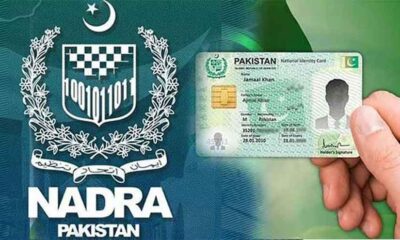
‘Self-Reliance in Digital ID’: NADRA launches locally produced QR code-based National Identity Card

23 people have died during the monsoon as rain-related incidents plague Punjab and KP.
-
 Latest News5 months ago
ICC board meeting in India: Mohsin Naqvi gets invitation
-
 Latest News2 months ago
‘Self-Reliance in Digital ID’: NADRA launches locally produced QR code-based National Identity Card
-
 Latest News3 months ago
23 people have died during the monsoon as rain-related incidents plague Punjab and KP.
-

 Latest News2 months ago
Turkish FM, Dar discuss regional trends, bilateral connections
-
 Business3 months ago
Govt dedicated to resolving Balochistan issues: Dar
-

 Latest News3 months ago
Pakistan making rapid progress in robotics, AI: Shaza Fatima
-

 Entertainment5 months ago
Interim bail given to YouTuber Rajab Butt in gambling app marketing case
-
 Latest News3 months ago
After a divorce, LHC decides that women who have been harmed by their spouses get their dower.